
Machines by process step
Every category below is optical lens manufacturing equipment for hard and brittle materials — germanium, ZnSe, ZnS, silicon, sapphire, quartz, optical glass and technical ceramics.
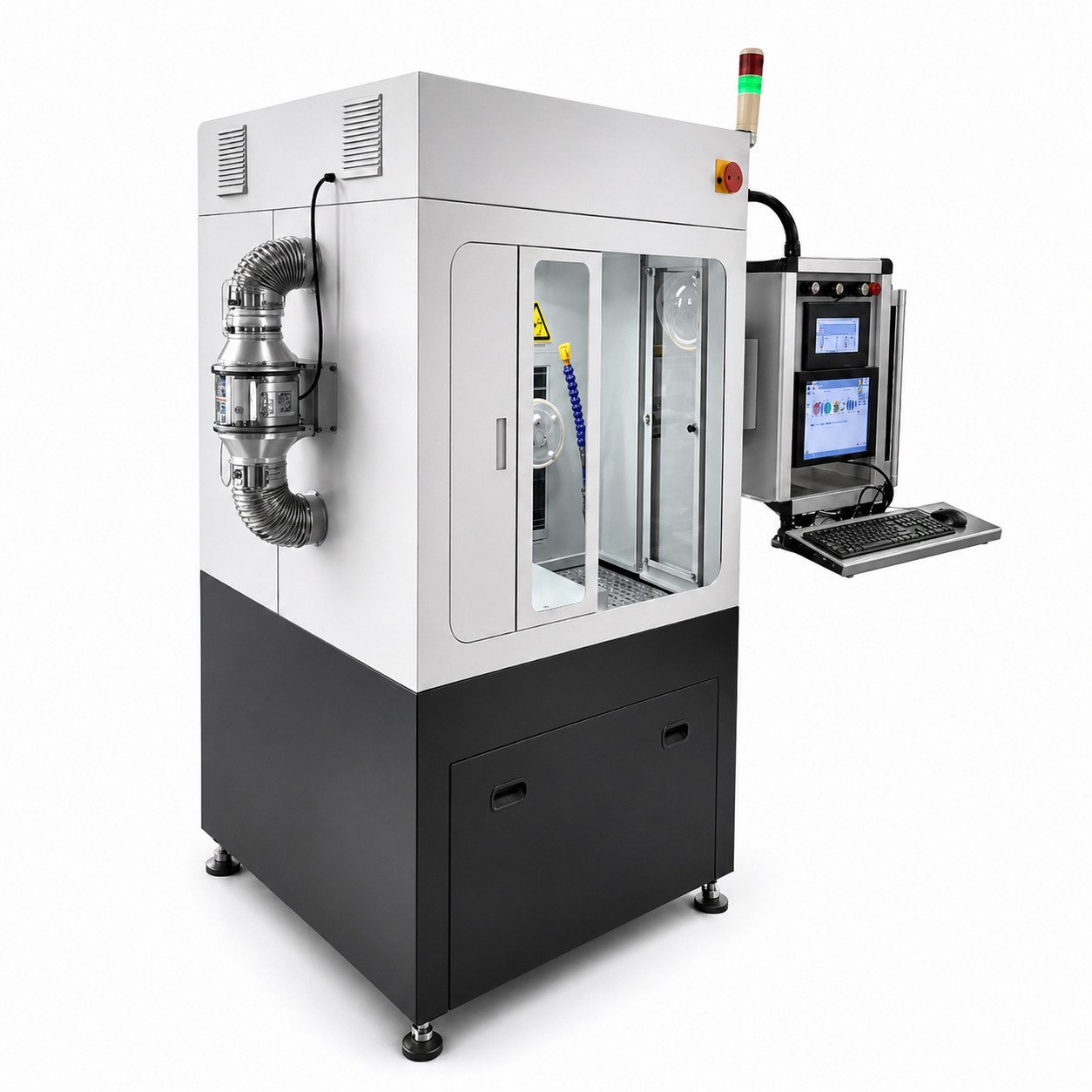
Cutting & slicing
Optical glass cutting machines with endless diamond wire for straight slicing, DXF contours, prism angles and large-ingot cropping. A 0.4 mm kerf is available on the SG 40; final settings depend on the material and wire.
Explore this process →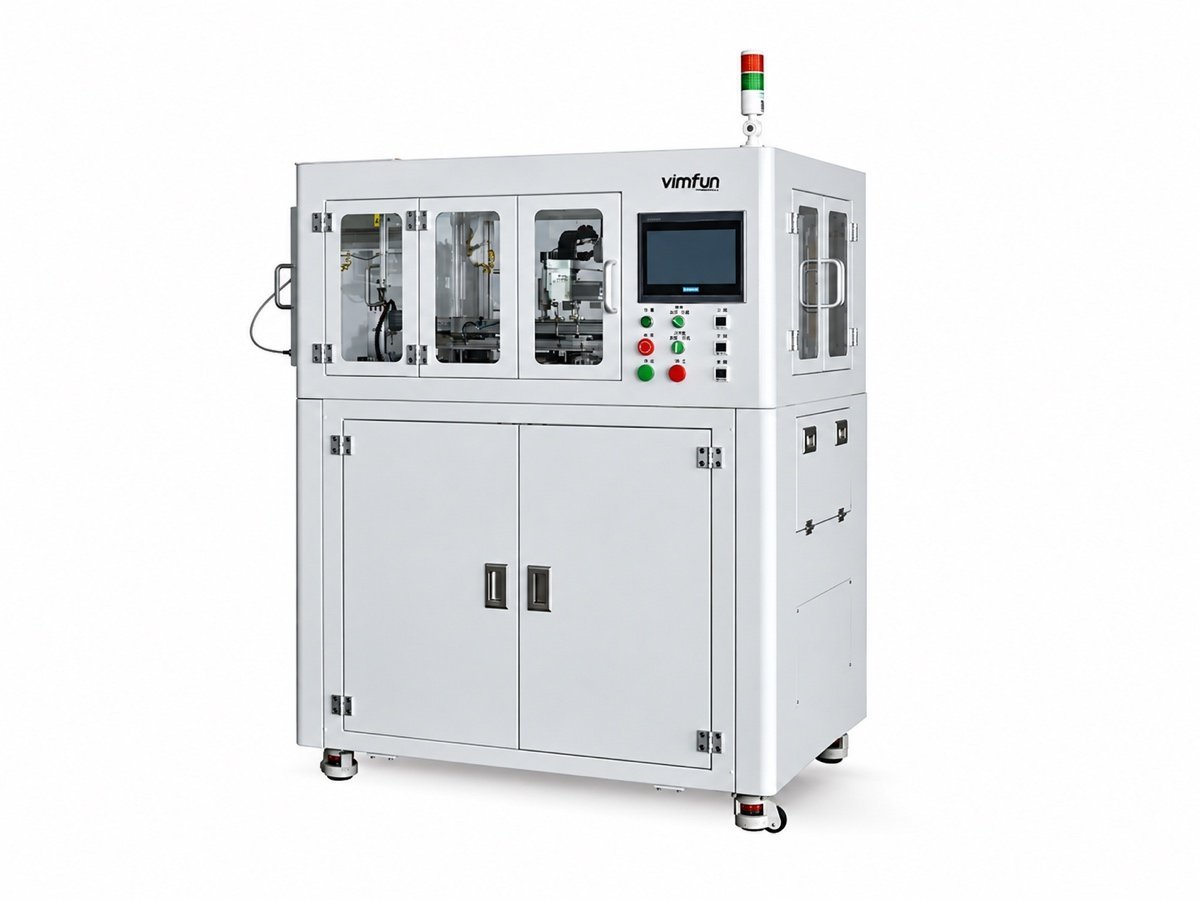
Curve generating & grinding
Spherical, cylindrical and bore grinding, from manual loading to CNC automation. Spherical generators set the radius through cup-wheel geometry; the CNC range adds on-machine sagitta measurement and compensation.
Explore this process →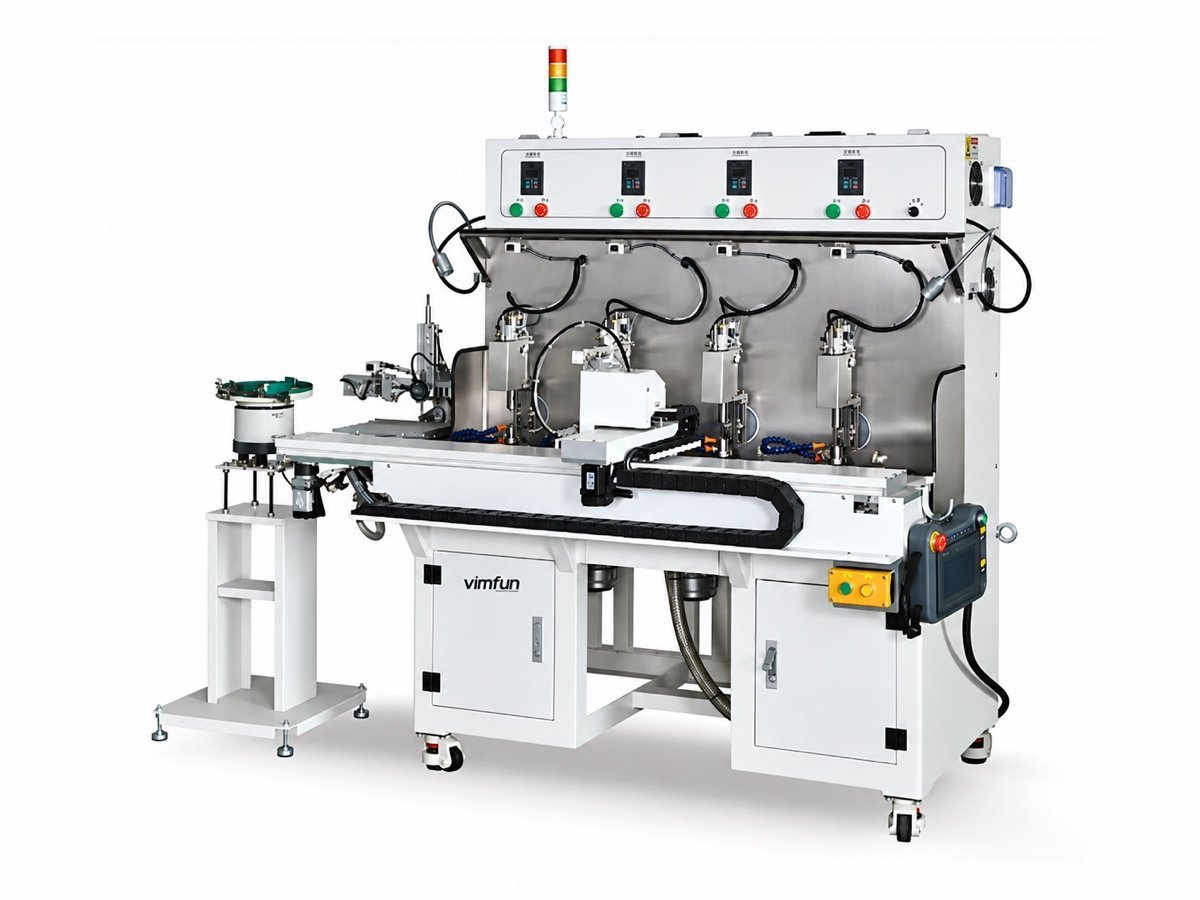
Fine grinding & polishing
Upper-swing machines for concave lenses, lower-swing for convex lenses, and tilt-axis models for flat and spherical parts. Also available: double-side lapping, 2D/2.5D edge polishing and three-disc prism faceting.
Explore this process →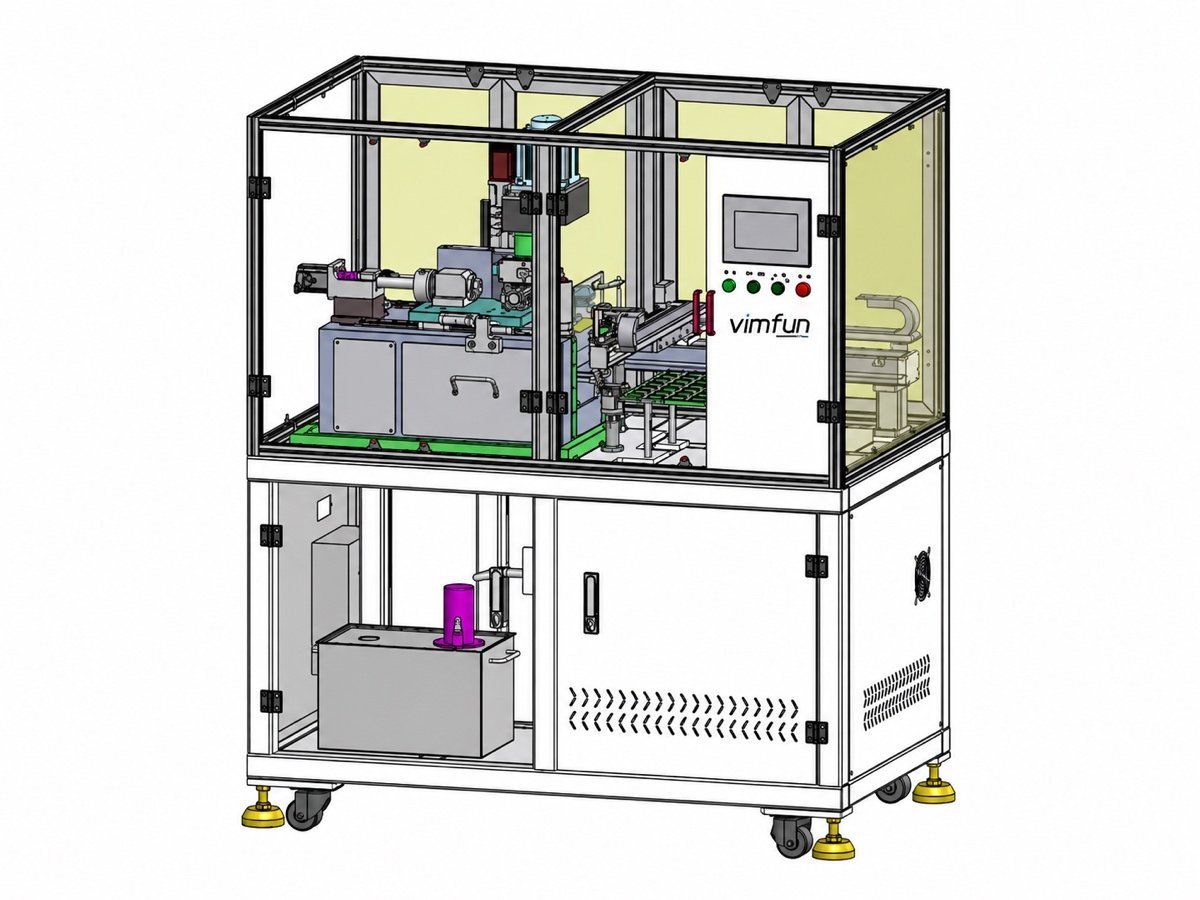
Edging & centering
Rough and finish grinding for round and shaped optics, with manual or automatic loading. Profile copying sets the outside shape; dedicated bell-clamp centering machines cover parts up to Ø185 mm.
Explore this process →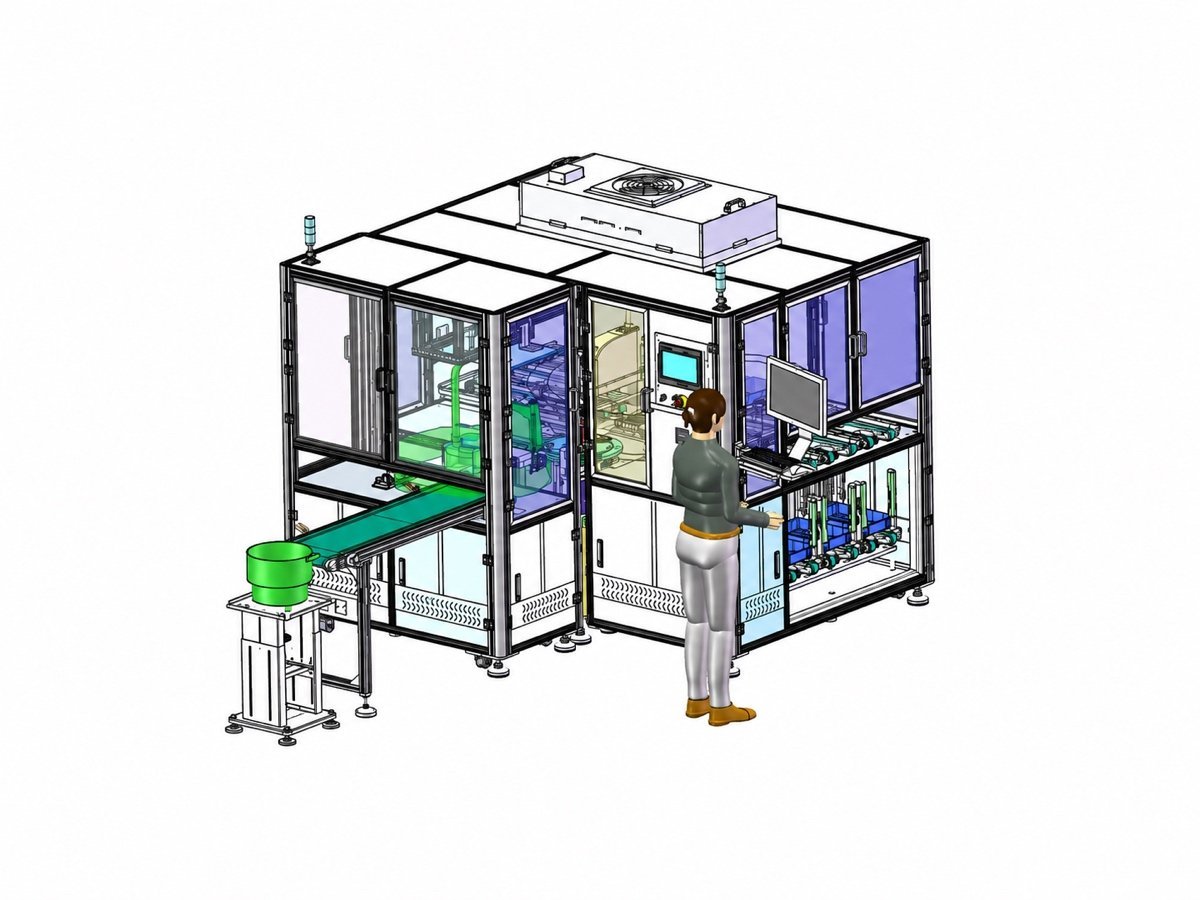
Inspection & sorting
AOI-20 measures flat-part thickness with a ±0.2 µm probe specification and sorts at ≥2,000 pcs/h. LI-20 checks curved lenses, with ±0.0015 mm repeatability and a 2 s cycle. Different tasks, different inspection systems.
Explore this process →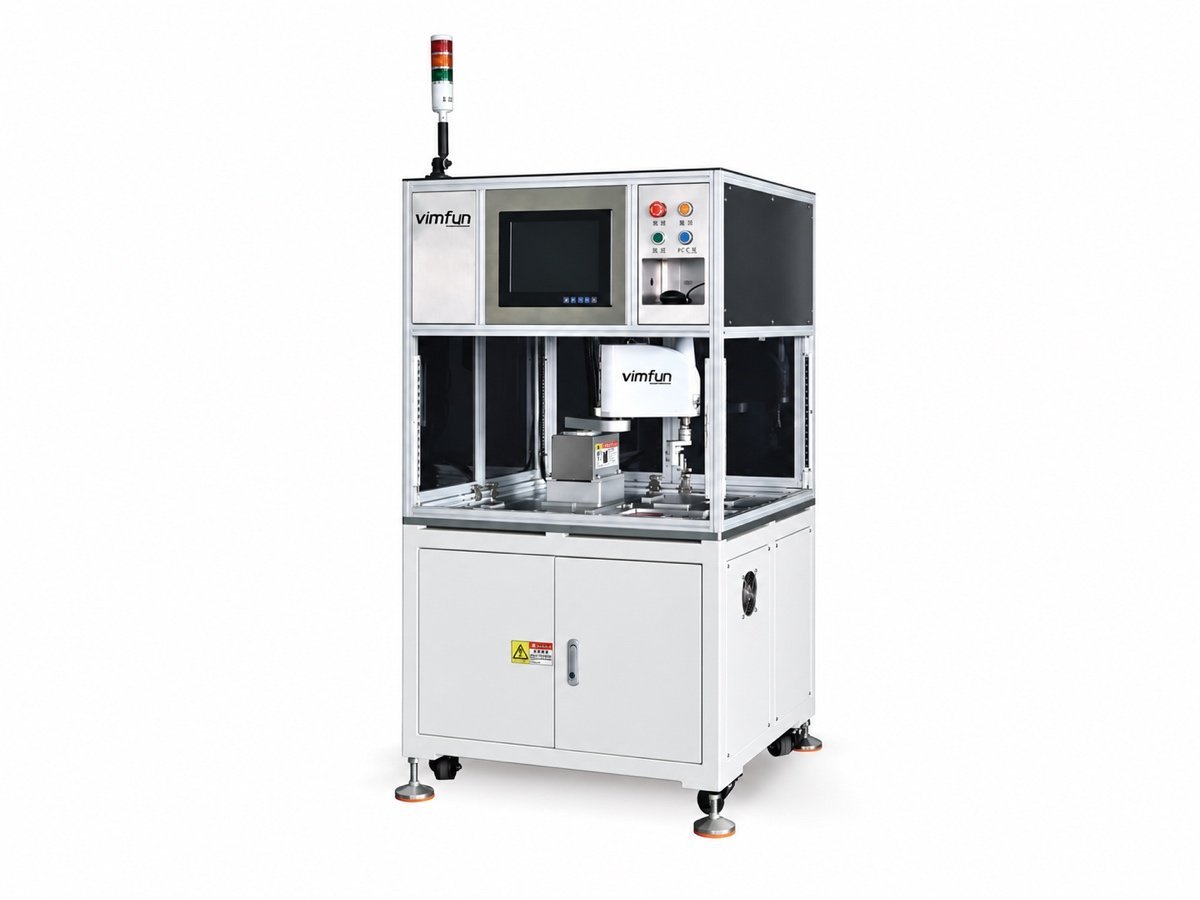
Loading & automation
Basket loading, stacking and cassette racking between steps. Specified by cycle time and by which tray they accept, not by accuracy.
Explore this process →Featured machines across the production line
Compare optical lens manufacturing equipment for cutting, generating, polishing, edging and inspection. Start with the operation you need to improve, then check workpiece size, geometry, loading method and the output needed by the next station.
Contour & slicing in one
DXF contour mode plus straight slicing on the same table. Ø400 × L400 mm.
View machine →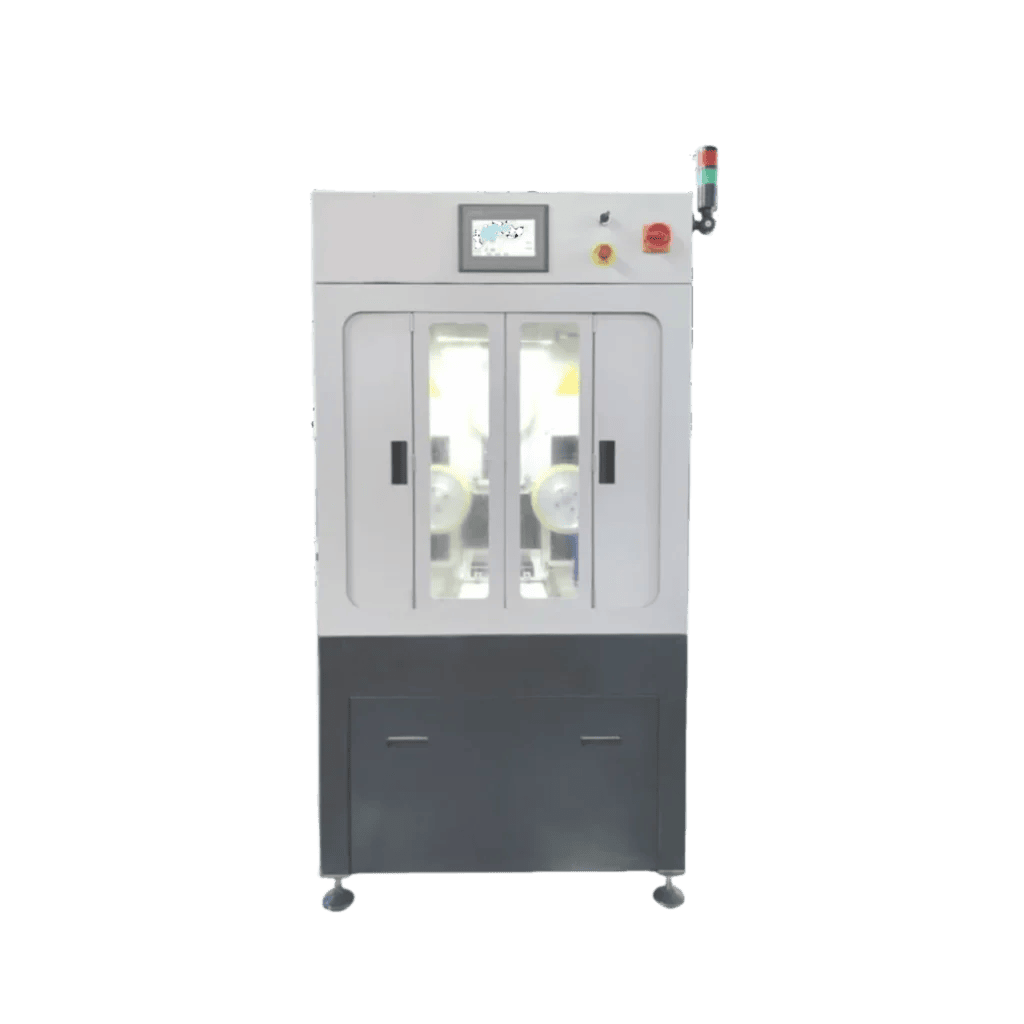
Multi-thickness slicing
Several thicknesses in one program, 0.4 mm kerf, 400 × 400 mm table.
View machine →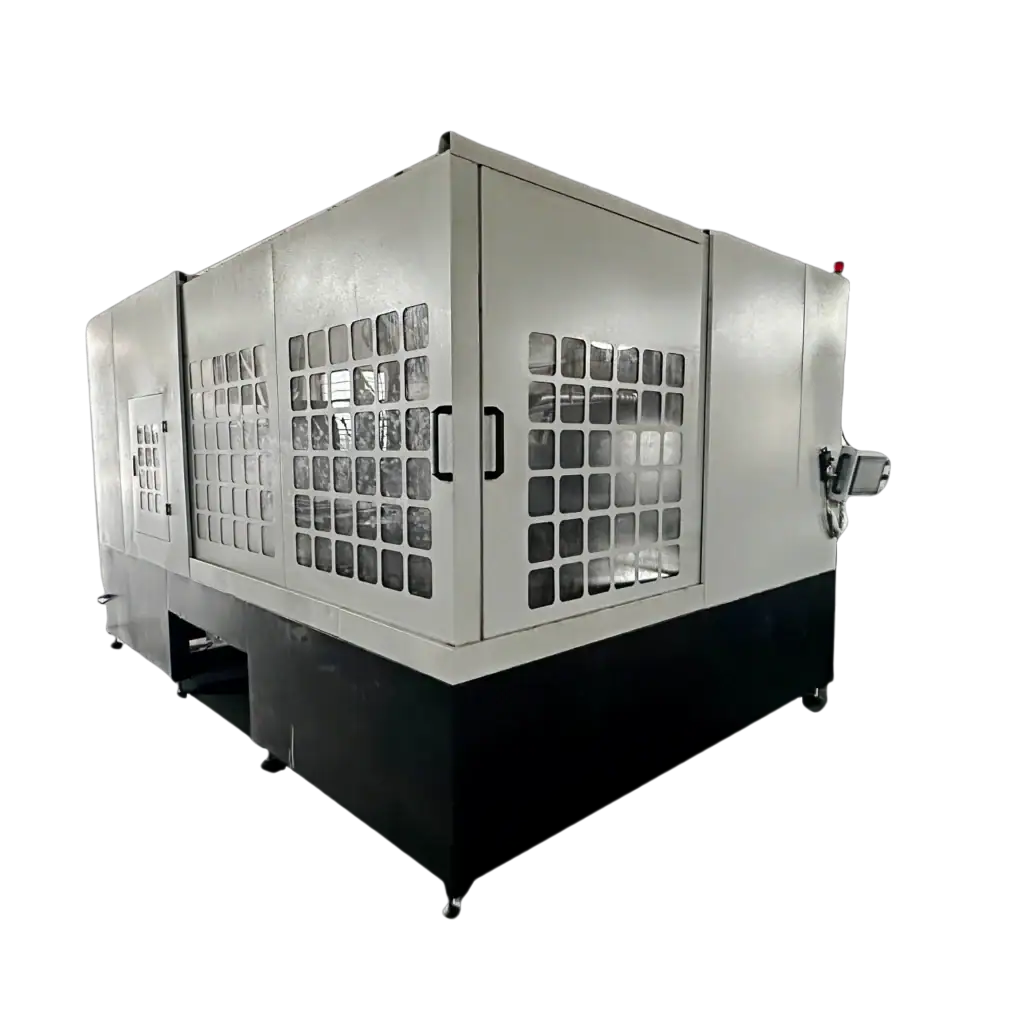
CNC curve generator
Sagitta measurement, compensation, automatic flipping and wheel dressing. Auto-SG-50: Ø10–55 mm; Auto-SG-80C: Ø5–80 mm.
View machine →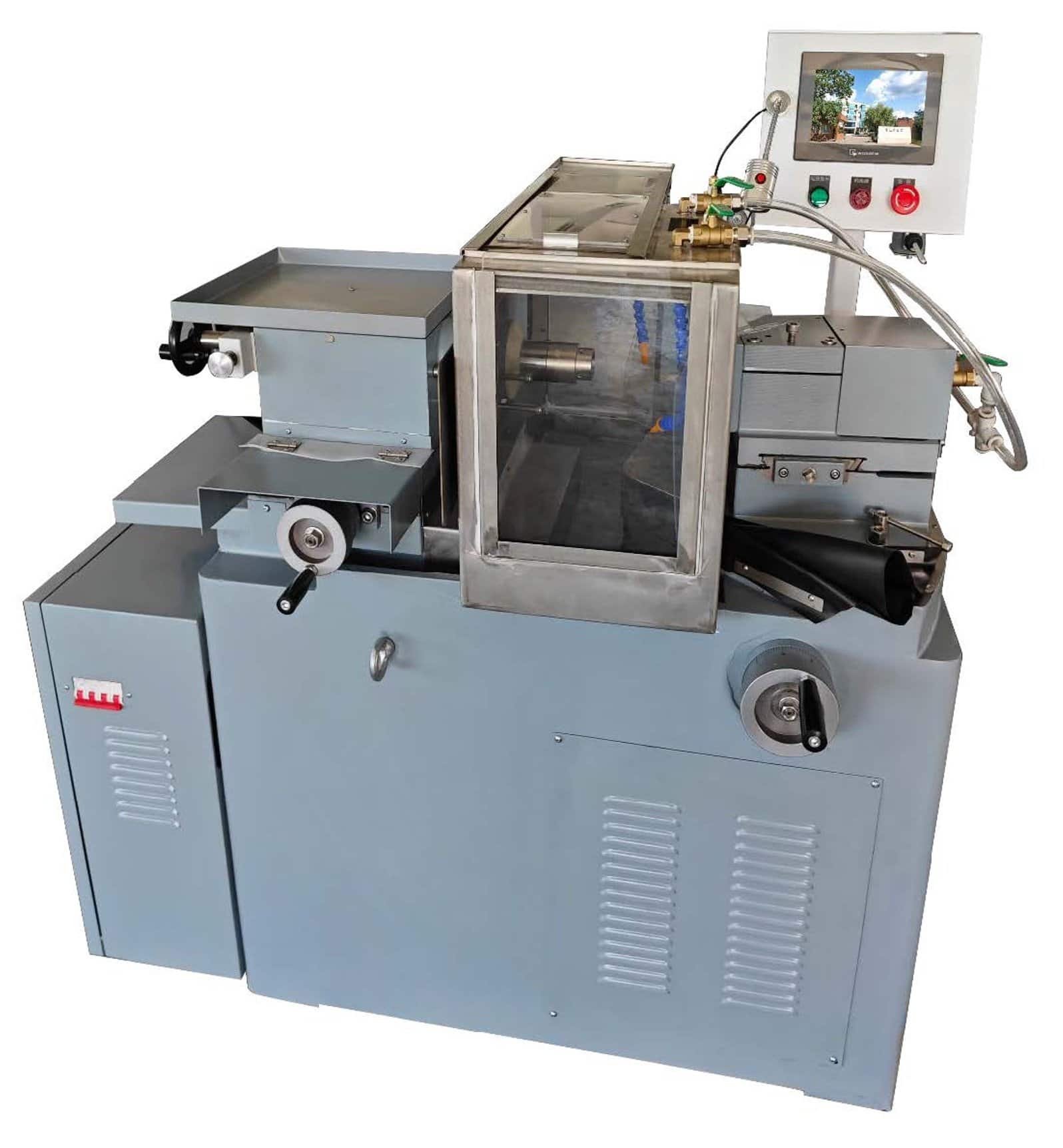
IR optics grinding
Convex, concave and flat on one spindle. Ø10–250 mm, ±0.005 mm form.
View machine →4-spindle polishing
FP-4U: concave, R1–R20, 450–3,000 rpm. FP-4L: convex, ±R1.5–R50, 200–3,000 rpm. Four spindles on each model.
View machine →Automatic profiling edger
Ø5–80 mm, run-out ≤0.006 mm both axes, from 15 s per part, vacuum loading.
View machine →Inspection & sorting
AOI-20: flat-part thickness sorting, ±0.2 µm probe specification, ≥2,000 pcs/h. LI-20: curved-lens inspection, ±0.0015 mm repeatability, 2 s cycle.
View machine →Which material are you processing?
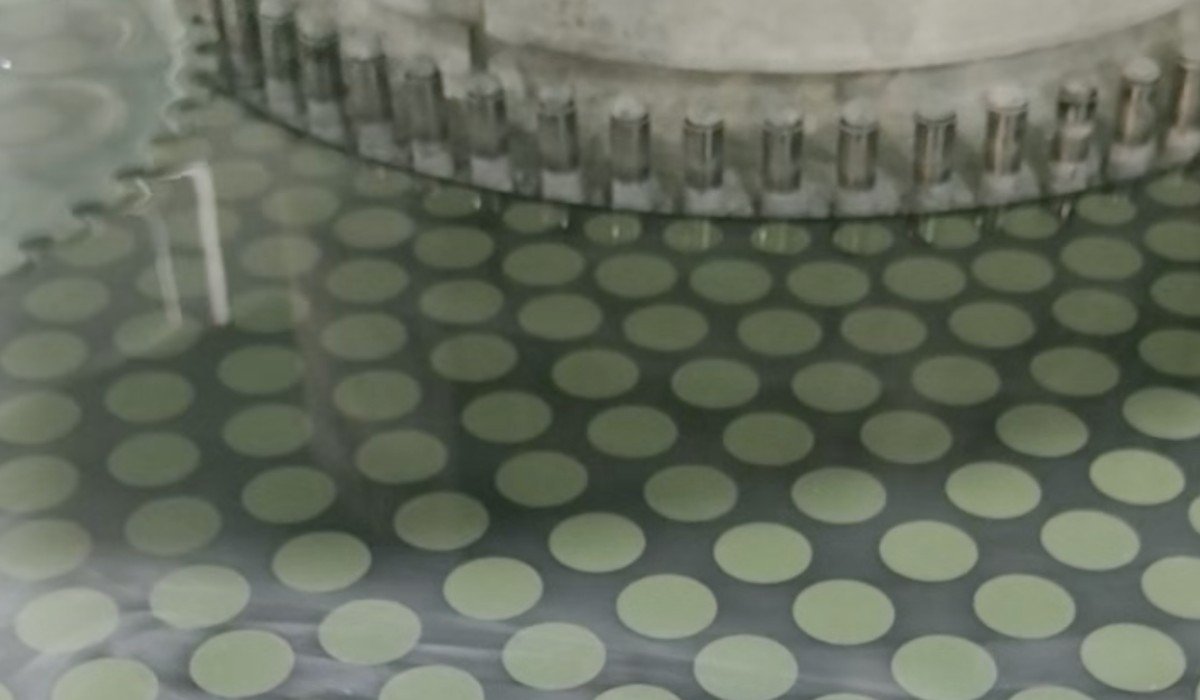
Material decides the route through the line more than part size does, and it decides which optical lens manufacturing equipment belongs at each step.
| Material | Sawing | Generating | Polishing | Edging | Double-side | Where to go next |
|---|---|---|---|---|---|---|
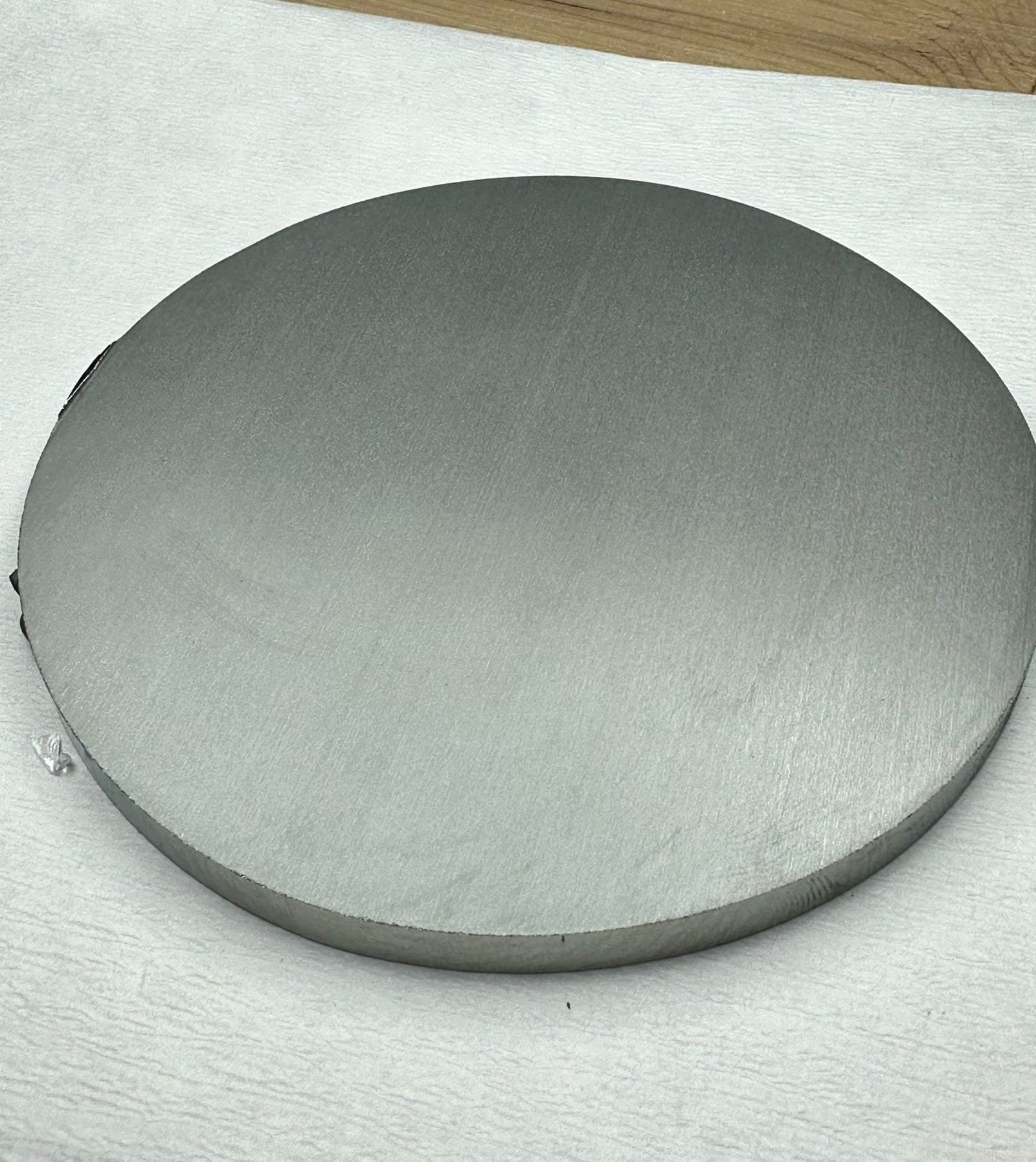
| Germanium | ● | ● | ● | ○ | — | Germanium equipment |
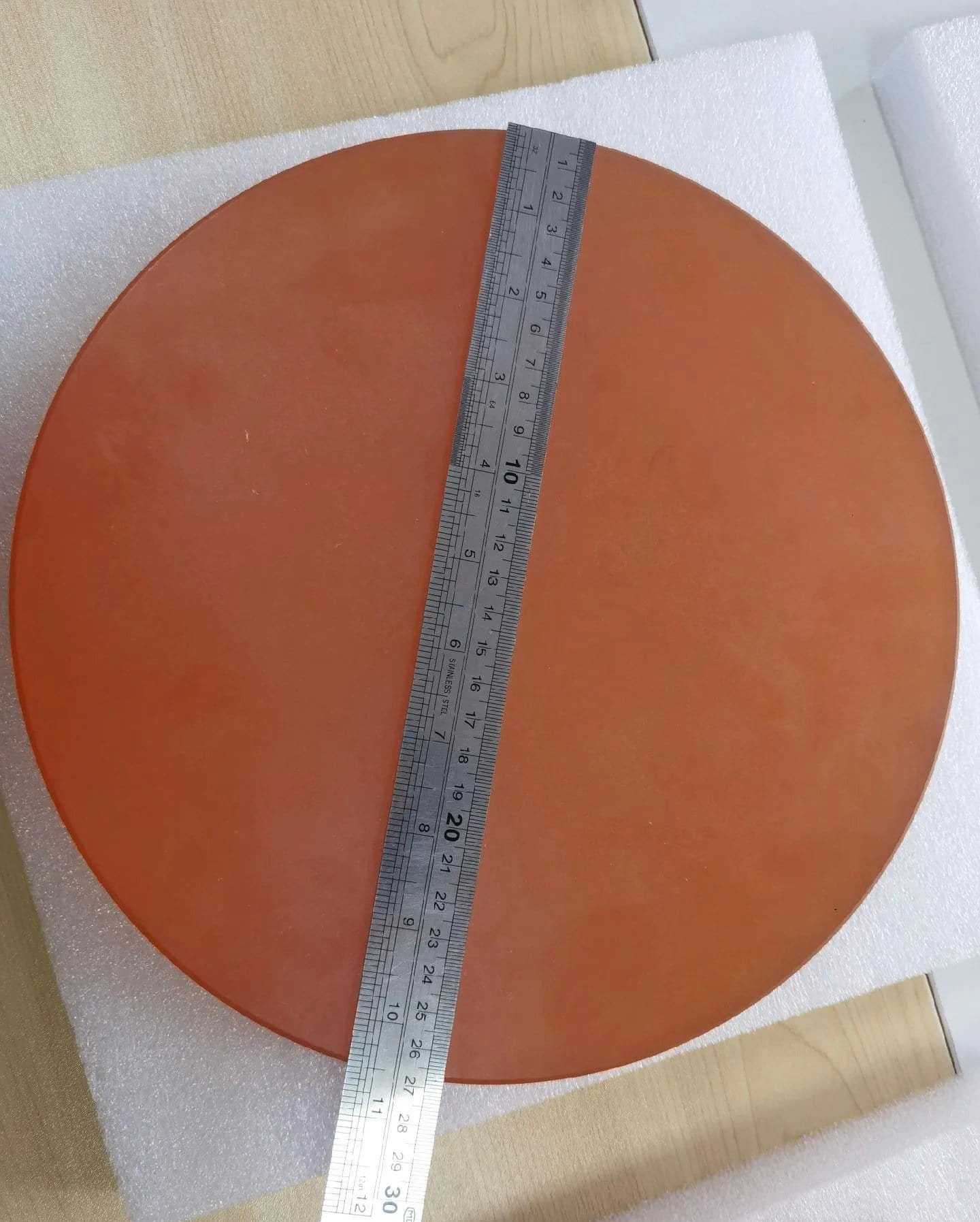
| ZnSe / ZnS | ● | ● | ● | ○ | — | IR optics equipment |
| Silicon | ● | ○ | ● | — | ● | Double-side lapping |
| Sapphire | ● | ● | ● | ● | ● | Sapphire machines |
| Quartz | ● | ● | ● | ● | ● | Quartz machines |
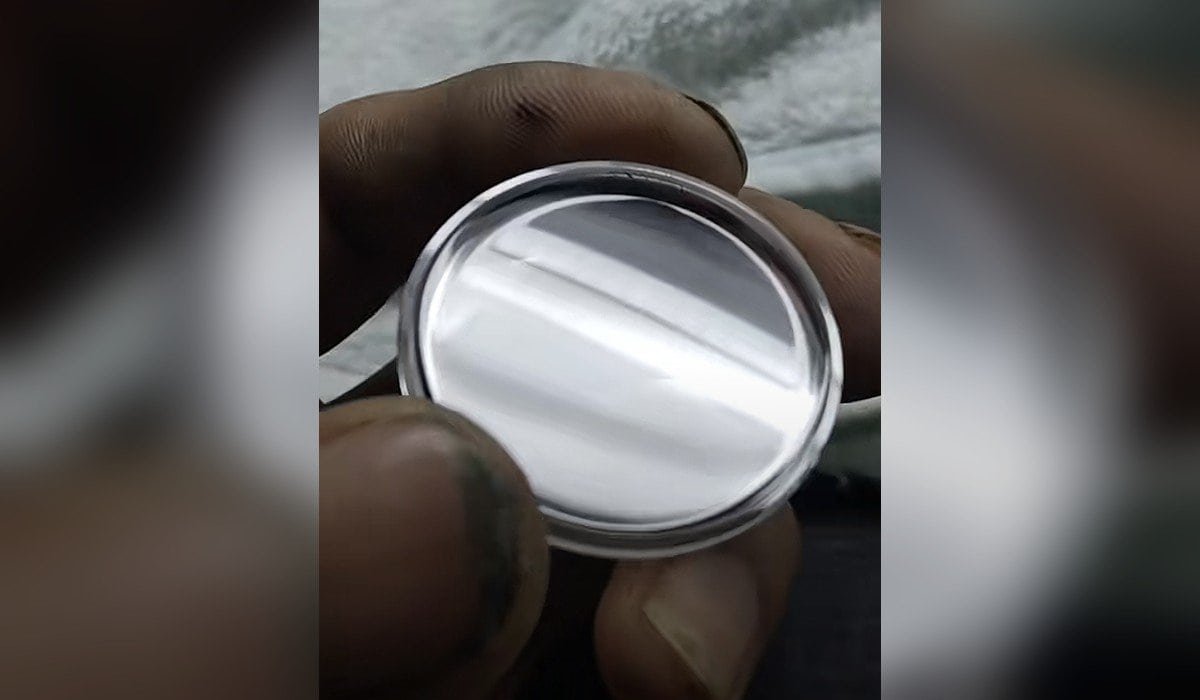
| Optical glass | ● | ● | ● | ● | ● | Optical glass machines |
| Technical ceramics | ● | ● | ● | ● | ● | Ceramic machines |
Hardness, cleavage and thermal behaviour set wire speed, wheel grit and slurry choice — which is why we ask for the material before quoting. Published data we work from: Crystran germanium · zinc selenide. Background on the sequence: lens manufacturing process · optical lens materials.
From lens blanks to precision optical components
Manufacturers, research laboratories and optical suppliers work with different geometries and production volumes. These established cutting applications remain part of our wider optical-processing range.
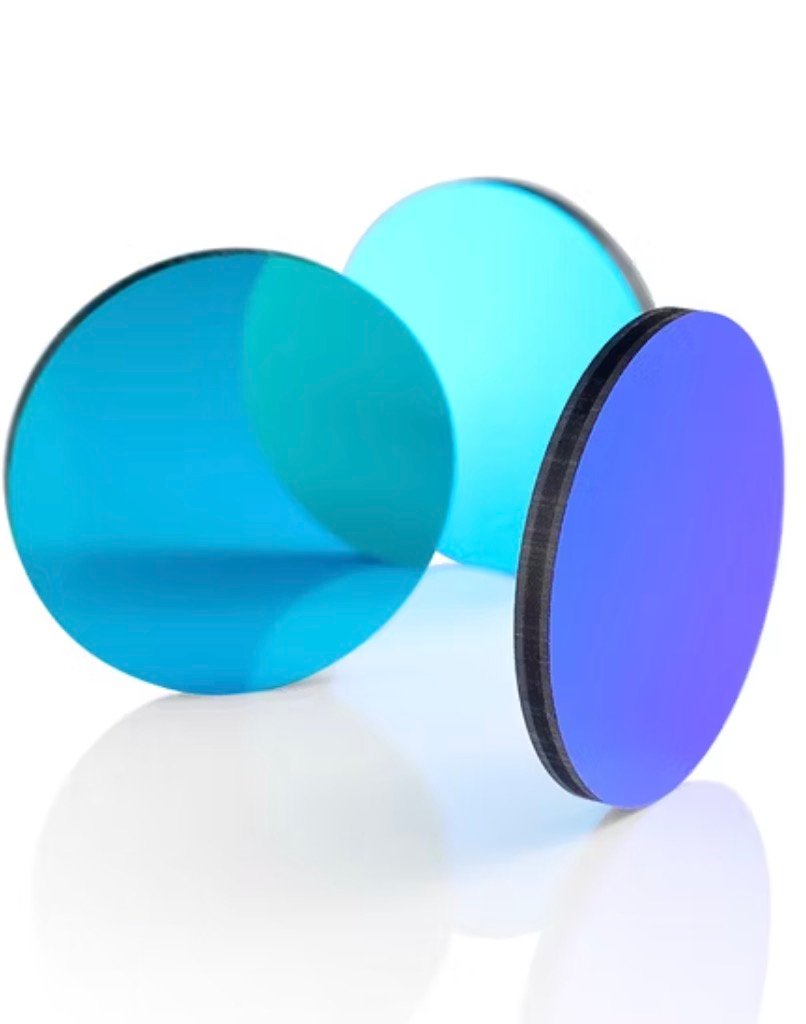
Lens windows and optical filters
Prepare thin optical-filter and window blanks with cutting parameters selected for edge integrity and downstream finishing.
Explore equipment →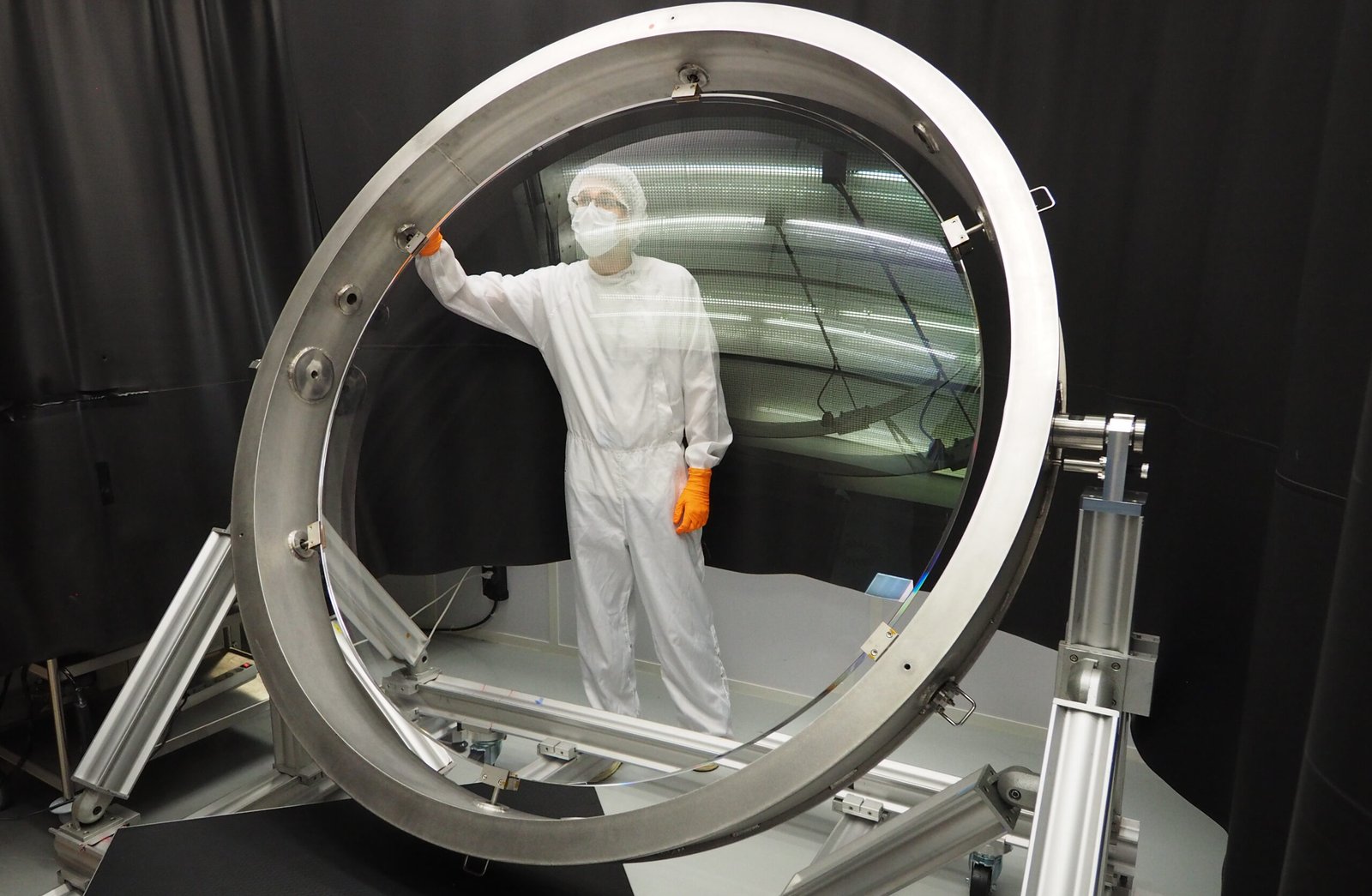
Astronomical optics blanks
Pre-cut thick optical-glass substrates for telescope and observatory components.
Explore equipment →
Infrared imaging optics
Process germanium blanks for thermal imaging lenses, infrared sensors and related optical systems.
Explore equipment →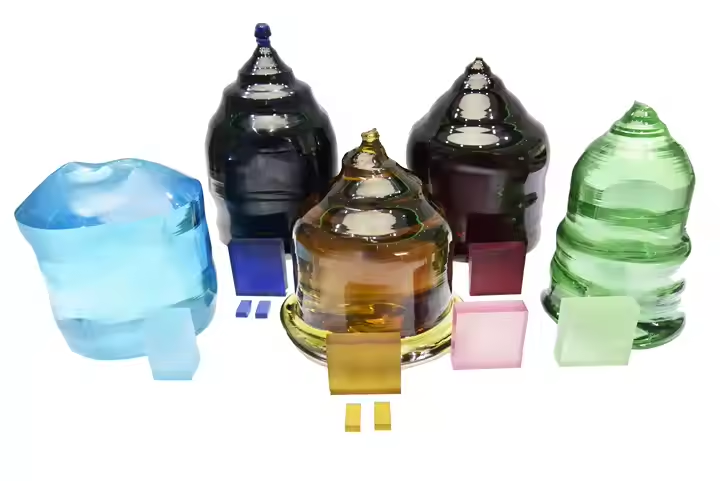
Sapphire and optical crystals
Cut hard optical crystals for windows, laser components and precision parts, with allowances matched to grinding and polishing.
Explore equipment →
Quartz rods and light guides
Slice quartz blocks and rods for light guides and other optical components, with workholding suited to the geometry.
Explore equipment →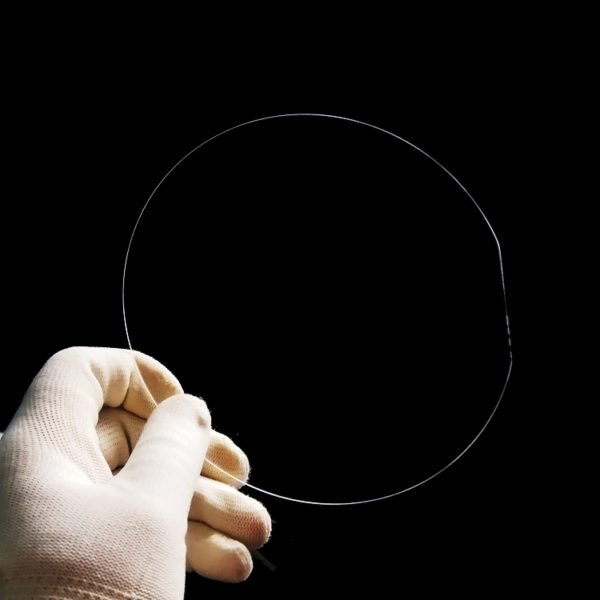
Thin sapphire wafers
Prepare thin sapphire substrates for sensor covers, optical windows and subsequent lapping or polishing.
Explore equipment →
Prisms and beam splitters
Cut optical-grade glass, BK7 and fused silica for prisms, beam splitters and retroreflectors.
Explore equipment →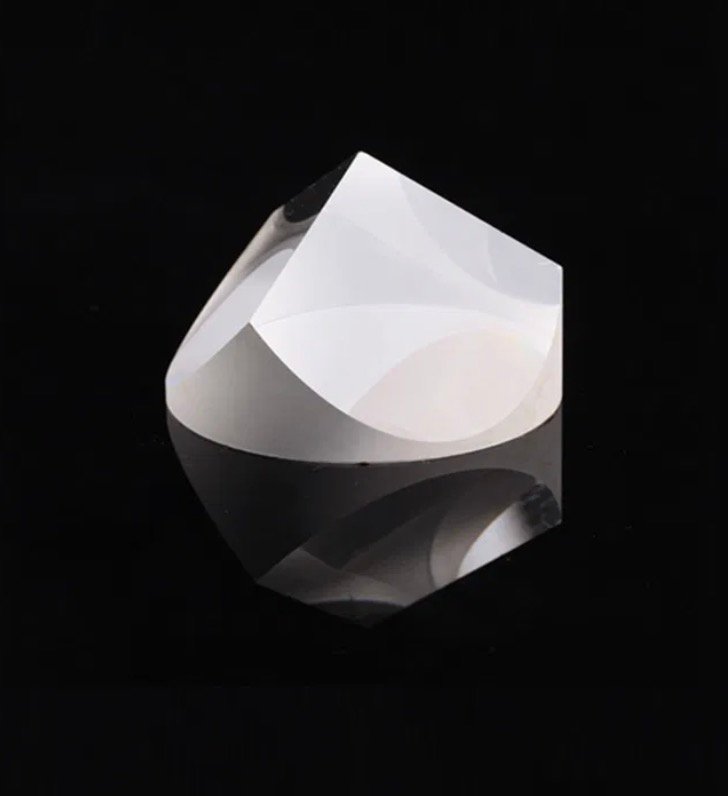
Angled optical windows
Produce angular blanks and bevelled shapes for precision windows and technical optical assemblies.
Explore equipment →Why buy the whole line from one optical lens manufacturing equipment maker?
Six machines from six suppliers can each hit their tolerance and still need six operators — and when a part comes out wrong, nobody owns the problem.
Explore the complete optical lens fabrication line →
- Measurement built into the processThe Auto-SG-50 combines on-machine sagitta measurement with five-stage servo infeed and automatic compensation. Inspection requirements are matched to the selected model.
- Handling matched to the workpieceTray feeding, basket loading and stacking reduce manual transfer where the part geometry and fixtures allow it. We define the hand-off between stations when specifying a line.
- One equipment partner, from blank to lensCutting, generating, finishing and inspection are considered together, so stock allowance, fixtures and output from one stage suit the next.
- Equipment expertise for optical manufacturersWe supply optical lens manufacturing equipment and help your team select machines, tooling and process routes for its own production.
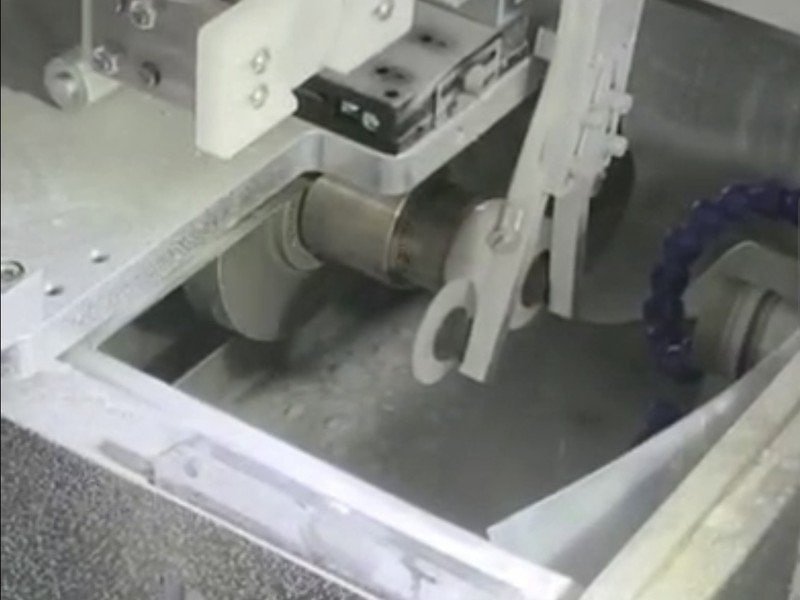
Our edgers are for precision optical and technical components. They are not architectural or mirror glass edgers, and not ophthalmic Rx lab edgers for spectacle lenses. If that is what you need, we are the wrong supplier and will say so before you send a drawing.
Written for the engineer specifying the process
Application notes on the problems that show up between the steps, not product brochures.
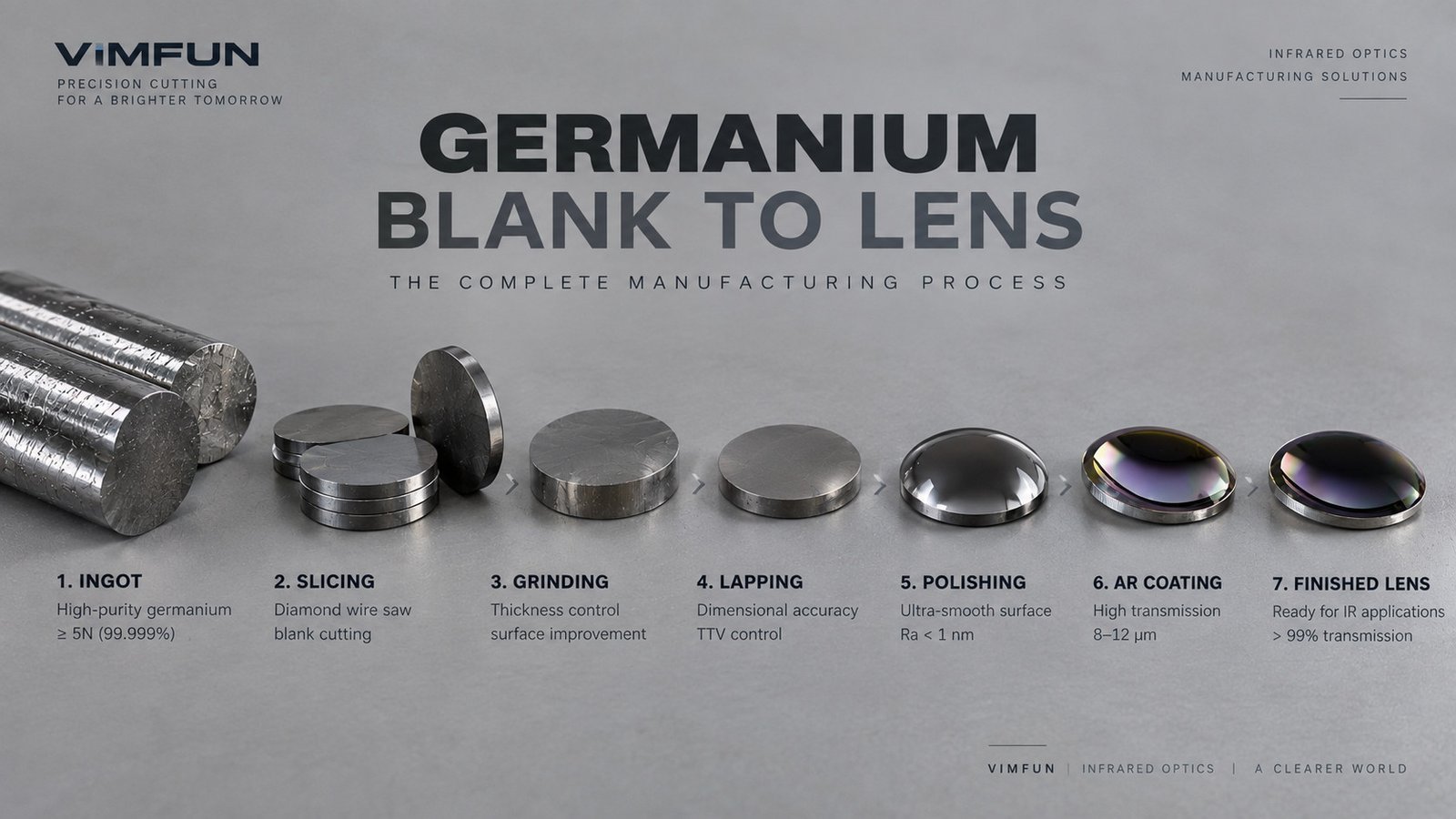
Subsurface damage in optical lens grinding
How deep the damage layer runs after each step, and how much stock the next step has to remove to clear it.
Read more →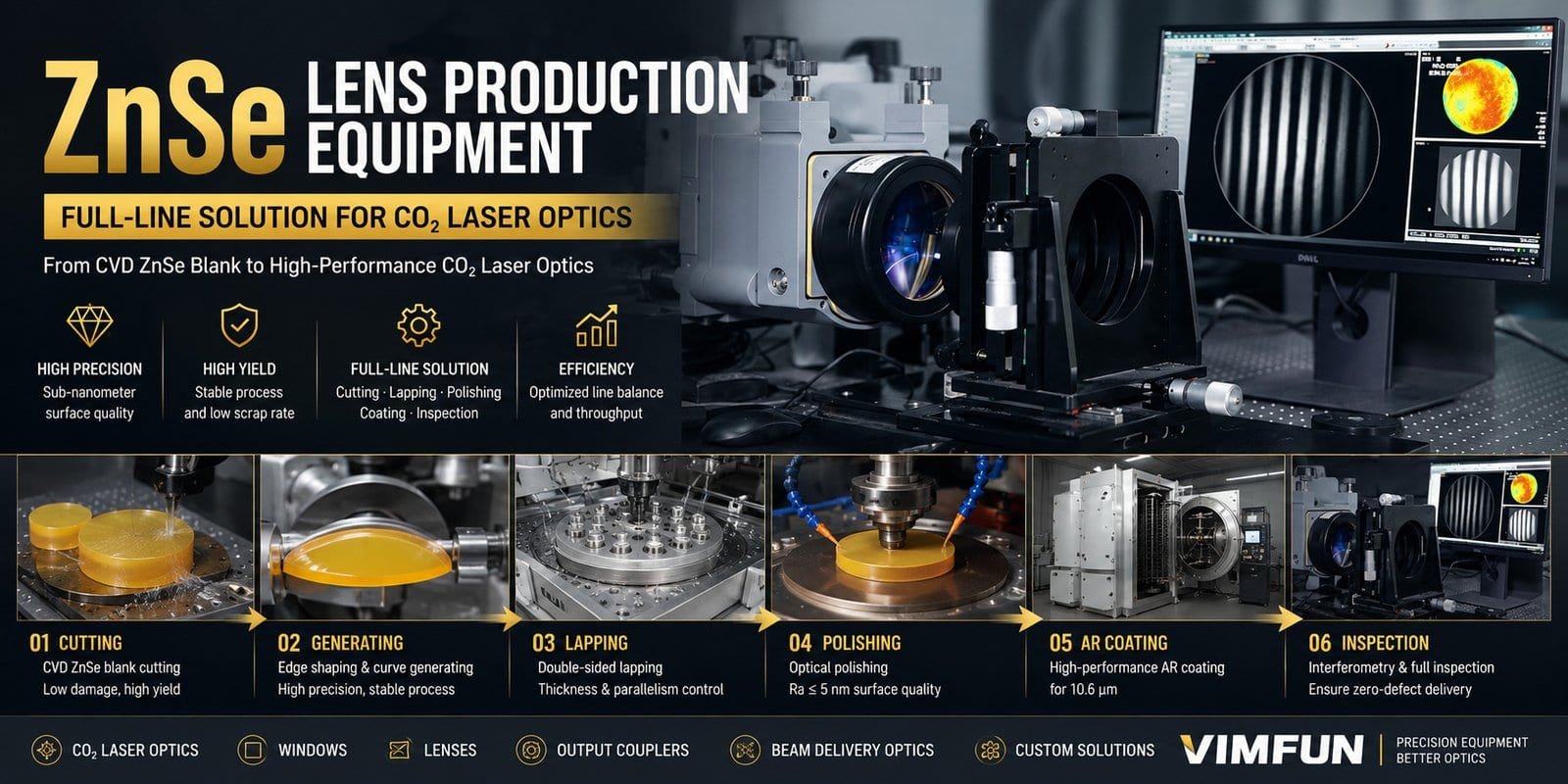
ZnSe lens production: full-line selection guide
Choosing the machines for a CO₂ laser optics line, step by step, with the trade-offs at each one.
Read more →Germanium lens surface finish: process and measurement
How polishing, measurement and acceptance criteria affect the final surface. Confirm the required finish with a material-specific process trial.
Read more →