
Optical Glass Grinding Machine
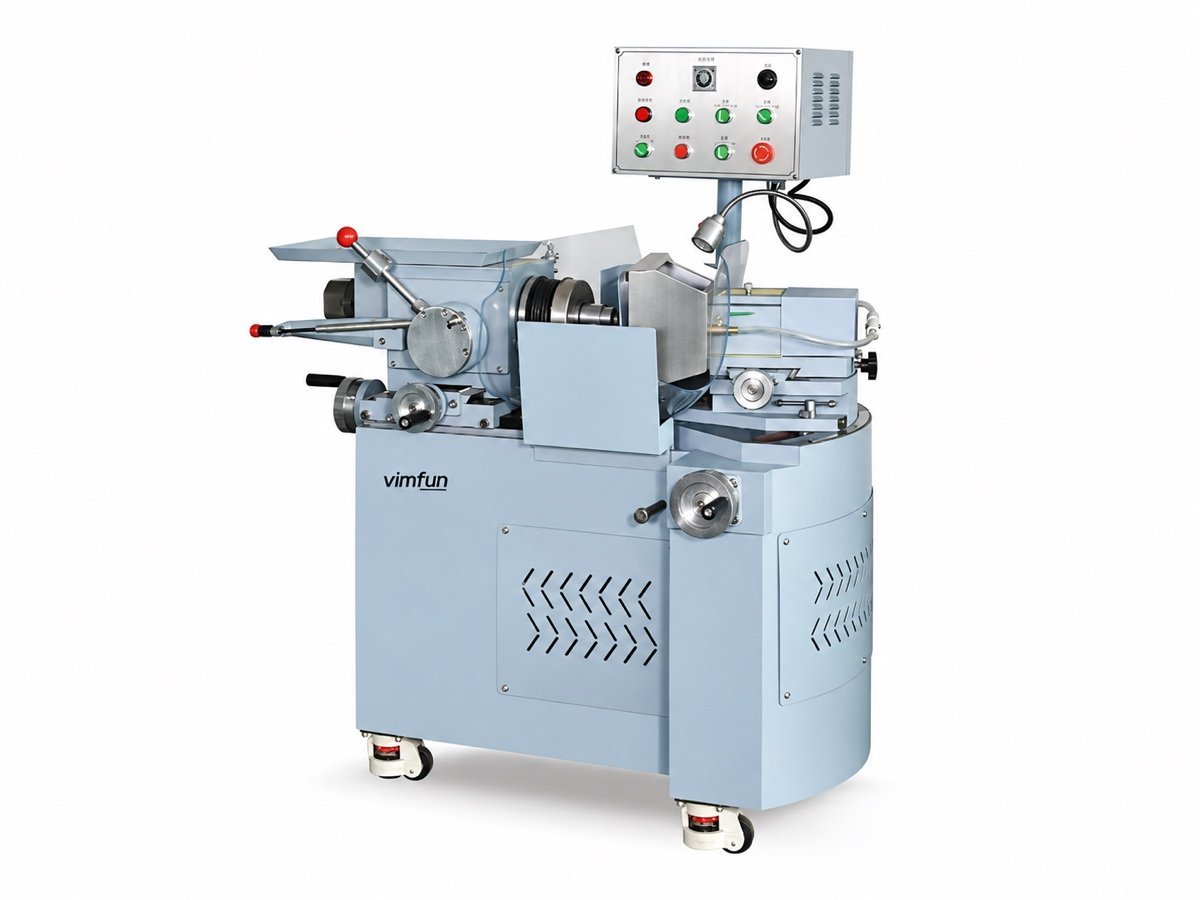
An optical glass grinding machine has to cope with glasses that behave nothing like each other. A dense flint and a hard crown leave the same wheel in very different condition — and that, not the machine, is what usually decides your yield.
Why optical glass is not one material
Three things separate glass work from grinding a hard ceramic or a crystal, and all three decide settings before the machine is even chosen.
Crown and flint are not interchangeable
Hardness and chemical durability vary widely across the catalogue. A wheel and feed rate proven on N-BK7 will glaze on a harder crown and chip the edge of a dense flint. Every family needs its own wheel grade and breakthrough feed.
Annealing stress moves the part
A blank that was not annealed out properly relaxes as material comes off. The sagitta you measured at the machine is not the sagitta you have an hour later, and no amount of machine accuracy will save it. Ask your blank supplier what anneal condition they shipped, and put it on the purchase order rather than in a post-mortem.
The damage you cannot see
Generating leaves a cracked layer under the ground surface. It survives fine grinding, and if polishing removes less than its depth it surfaces at final inspection — or later, in someone else’s coating line.
Of the three, subsurface damage is the expensive one, because it is found last. Our longest-standing technical note on subsurface damage in optical lenses covers how the layer forms and how much polishing removal it asks for.
Which glass types and blank formats can it handle?
Every optical glass grinding machine in this range covers the same envelope of shapes. What changes between glass families is not what the machine can hold, but how it has to be set.
| Glass family | Typical grades | What it changes at the machine |
|---|---|---|
| Crown | N-BK7, K9 and equivalents | The reference most shops set up on; baseline wheel grade and feed |
| Dense flint | Heavy flints, lanthanum dense grades | Softer and more brittle at the rim — lighter infeed at breakthrough, chamfer first |
| Borosilicate and low expansion | Technical borosilicates | Tolerant of thermal swing, slower stock removal, forgiving of coolant upsets |
| Fused silica | Synthetic and fused quartz | Harder on the wheel, dressing interval shortens noticeably |
- Diameter Ø4–120 mm across the range, with separate machines for the small and large ends rather than one compromise.
- Geometry convex, concave and flat, R2 to flat; cylindrical and bore work sit on their own machines.
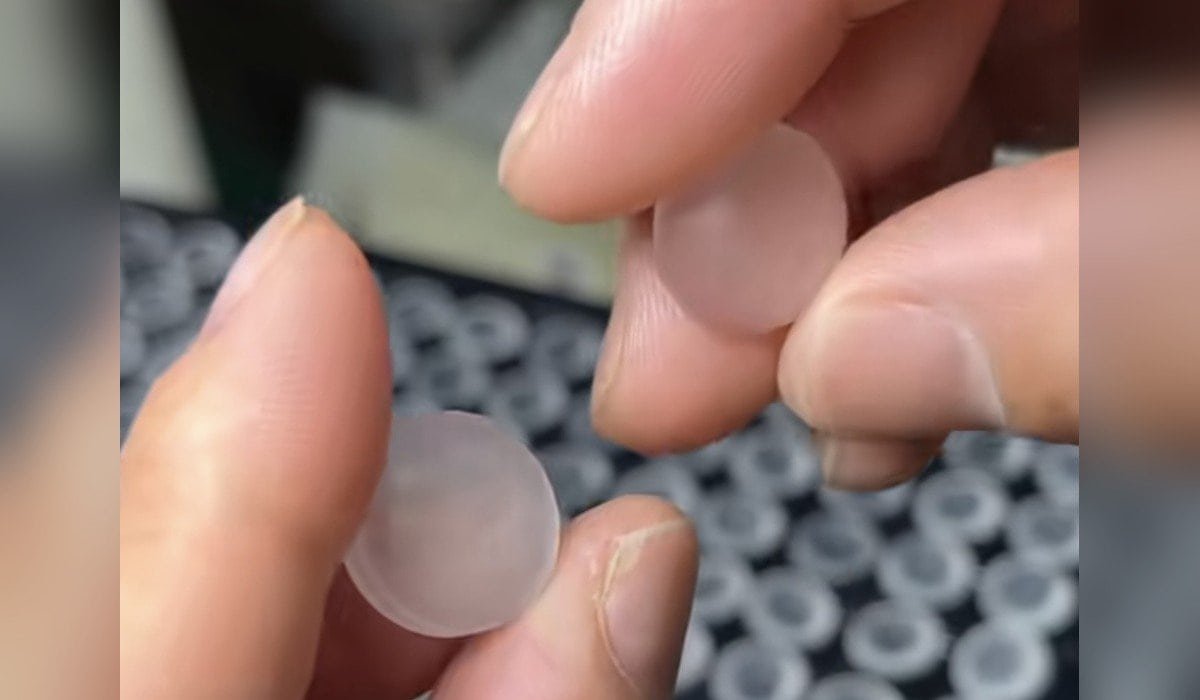
- Blank form sawn blocks, pressed blanks and cored discs — loose into a bowl, or laid out on trays.
- Drawing language we read tolerances written to ISO 10110; material data we cross-check against published sources such as Crystran’s N-BK7 sheet.
How does an optical glass grinding machine fit into the line?
It is the second station. Sawing decides how much glass you have to remove; the optical glass grinding machine decides the radius and the thickness; everything after it is cleaning up what these two left behind.
The first station deserves more attention than it usually gets. A narrower kerf and a cleaner sawn edge mean less stock for the generator to take off, and stock removal is where wheel life, cycle time and subsurface damage all come from. Glass saved at the saw is paid for twice over at the grinder.
Buying the stations one at a time is normal; buying them to work together is cheaper in the long run, because the trays, baskets and batch sizes line up. That argument is set out on the complete fabrication line page, and the materials themselves on optical lens materials.
What goes wrong on glass, and what stops it?
Five defects account for most of the scrap we see on customer glass. Four of them start at the grinding station, which is why an optical glass grinding machine is worth specifying carefully rather than buying on price alone.
| Defect | Where it starts | What stops it |
|---|---|---|
| Edge chipping | Wheel breakthrough at the end of the cut | Chamfer before generating, lighter infeed at breakthrough, fixturing that supports the rim |
| Subsurface damage | Coarse or worn wheel during generating | Finer grade, a dressing schedule that is kept, polishing removal deeper than the damage |
| Scratches and sleeks | Swarf recirculated in the coolant | Filtration, clean fixtures, coolant changed on a schedule rather than on complaint |
| Thermal stress | Heat concentrated at the contact zone on large work | Internal-jet cooling through the wheel — the reason the SG-120 exists |
| Thickness drift over a batch | Wheel wear between first part and last | In-process sagitta gauging with automatic compensation, as on the Auto-SG-50 |
Manual, automatic or CNC for glass work?
Glass does not change the answer as much as your batch size does. A shop running many part numbers in small lots gets more out of a manual generator and a good operator than out of automation that spends its day being re-set. A shop running one lens family in quantity is losing money every week it stays manual.
The dividing line is usually thickness control. Once the tolerance on centre thickness is tight enough that the operator is gauging every part, the case for an optical glass grinding machine with in-process measurement and automatic compensation makes itself — the measurement was being paid for anyway, in labour. Budget a wheel grade and a set of fixtures per glass family rather than per machine — that is the line most first-time buyers leave out.
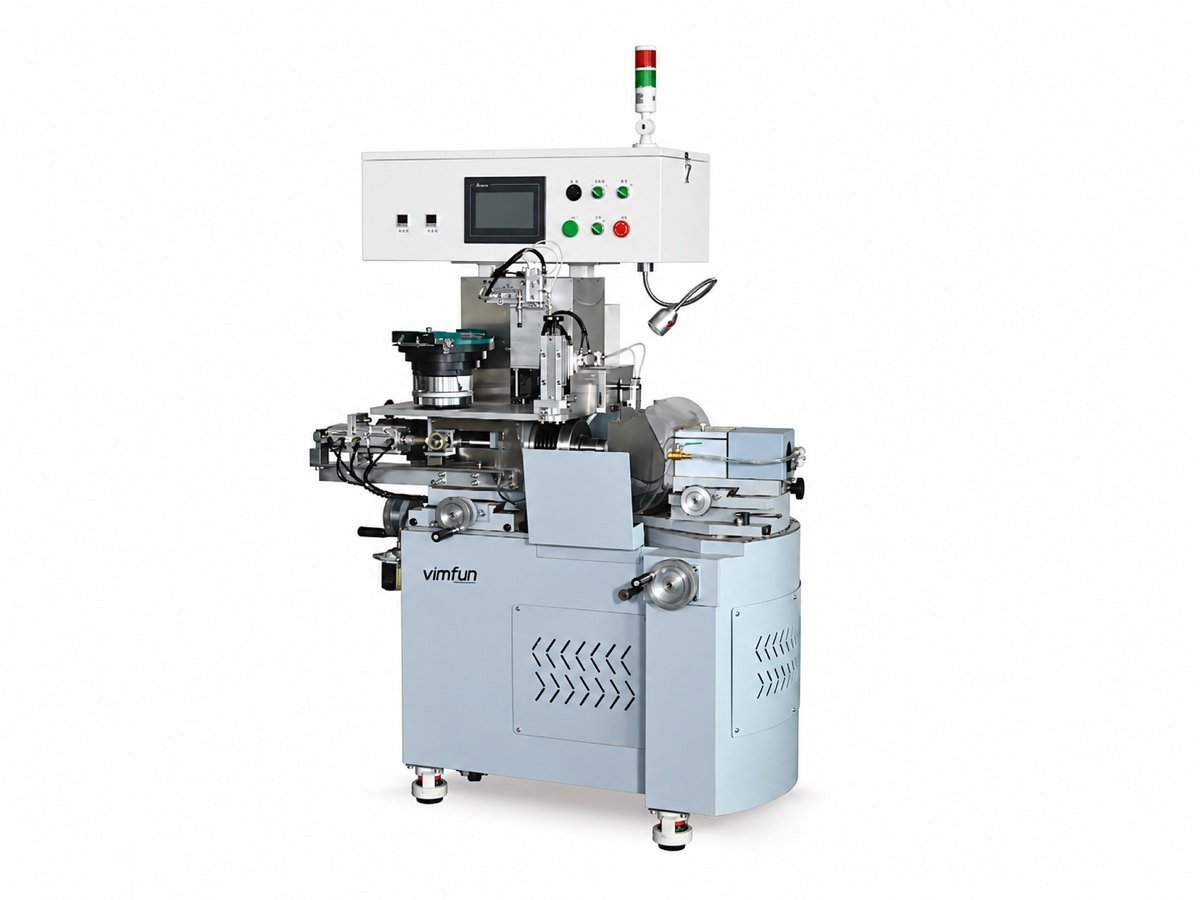
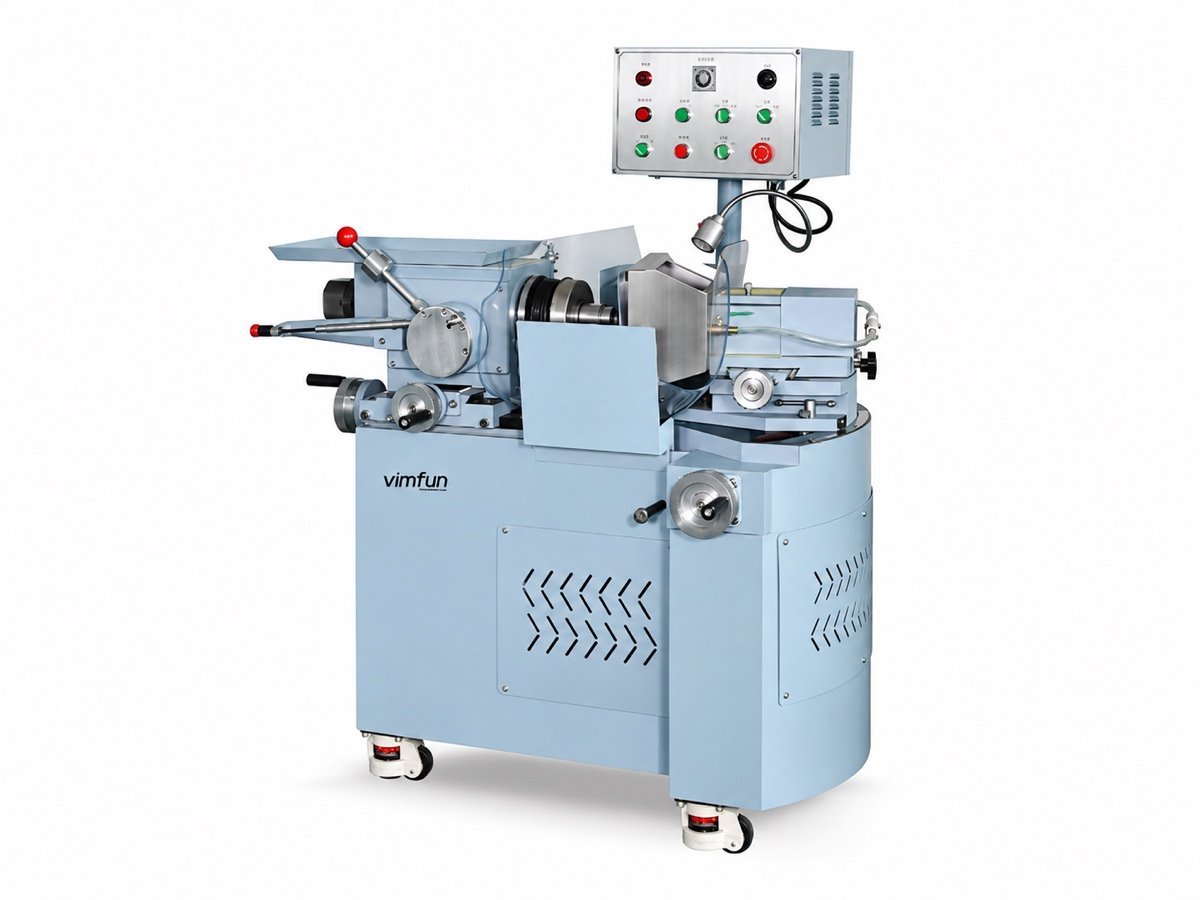
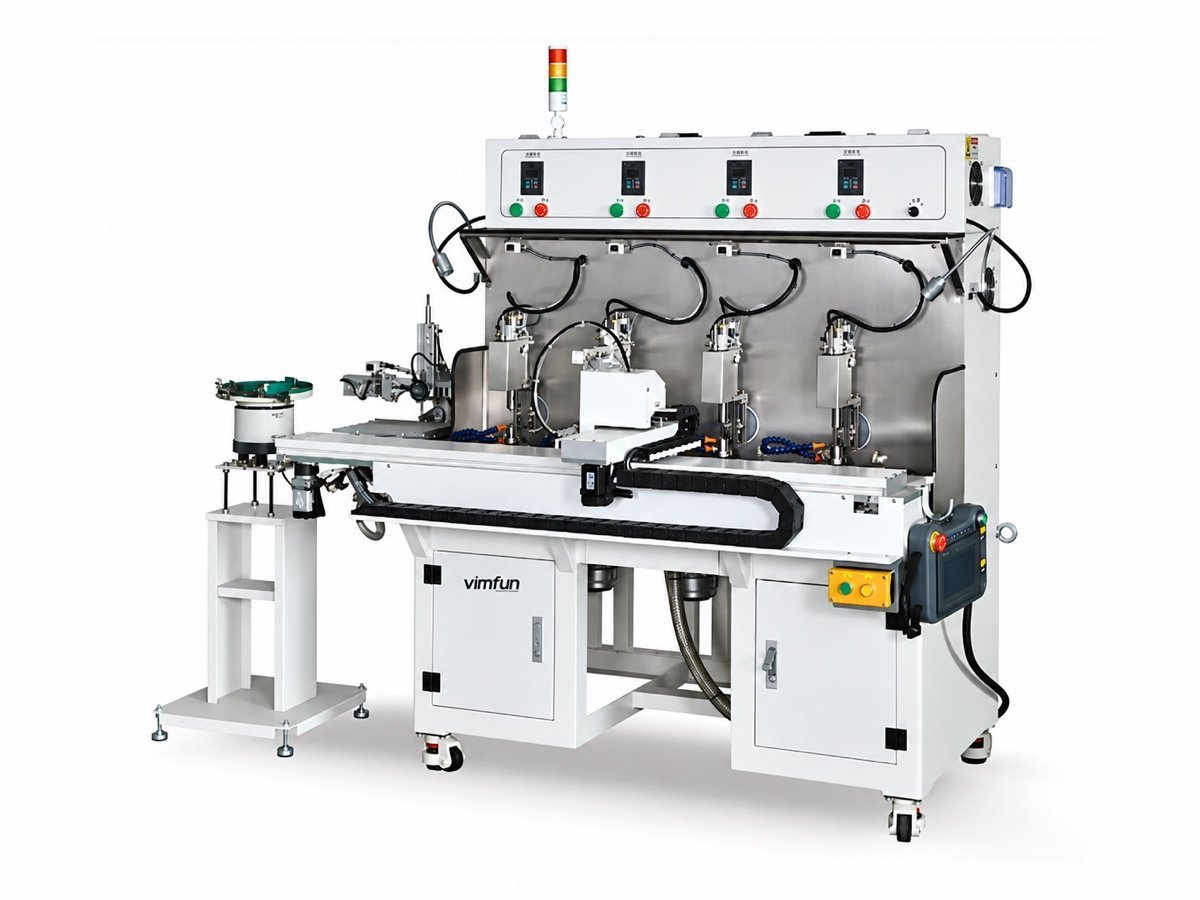
The full selection matrix — loading method, diameter band, curvature and control — is on the optical lens grinding machine page, and what each configuration does to the quotation is on the price page. Sister material pages: quartz, ceramics and optical crystals.
Send glass, not a specification sheet
Grades differ, and so does what your blanks have been through before they reach us. We run your own glass on the matching machine, free, and send back what it actually did.
Arrange a trial run- Glass grade, diameter, radius and centre thickness
- Batch size and the tolerance that matters most
- What happens to the part after grinding
- Whether the blanks are sawn, pressed or cored
Free trial run on your own blanks, freight at your cost · ISO 9001 · CE · 12-month warranty · 8-hour response