Materials and incoming-part conditions
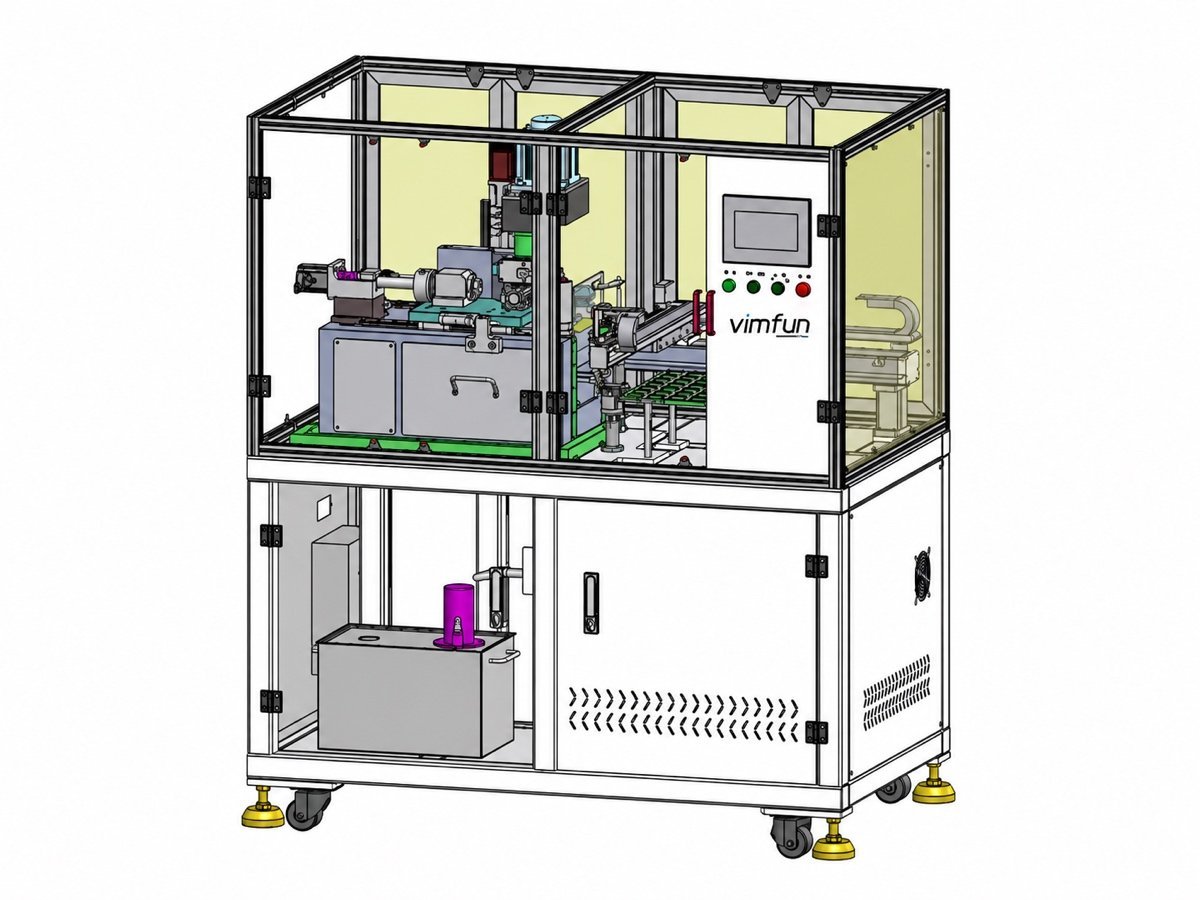
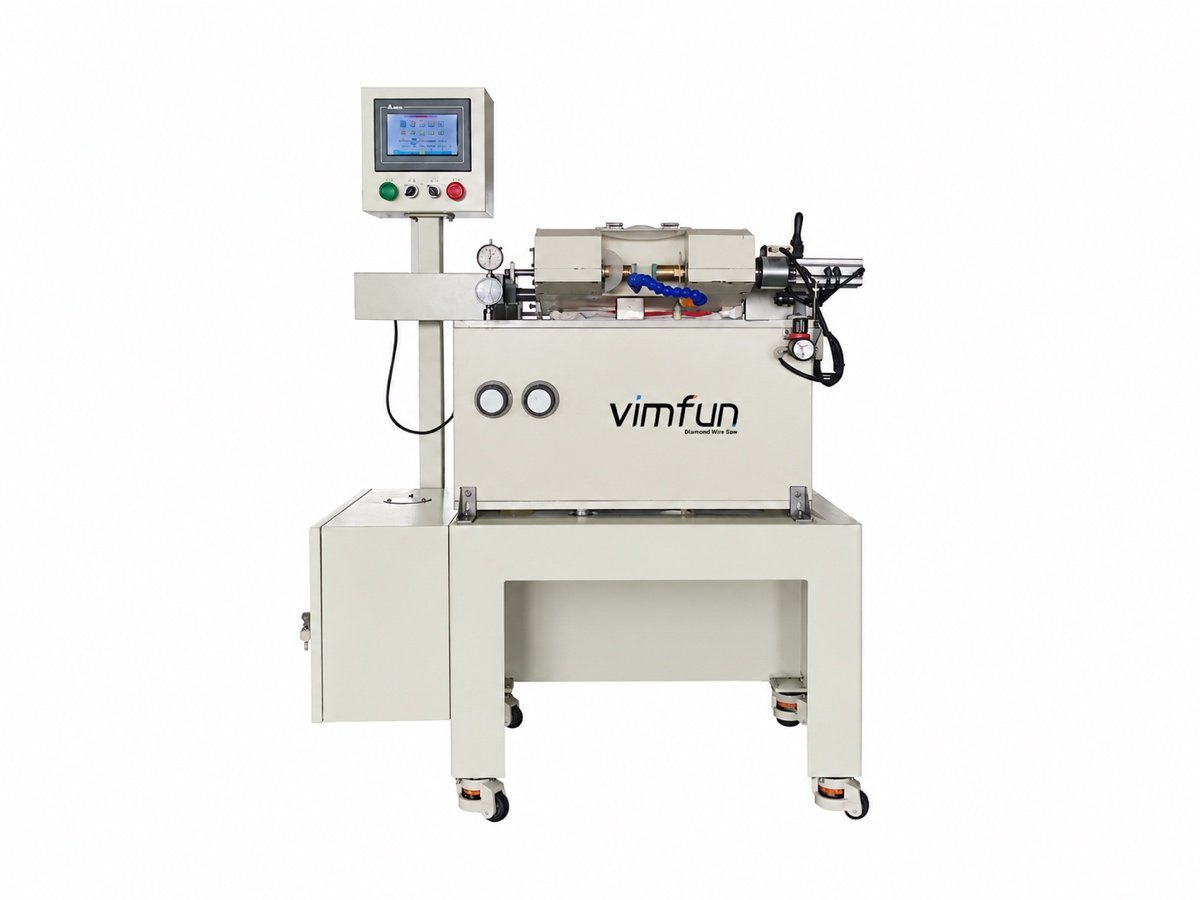
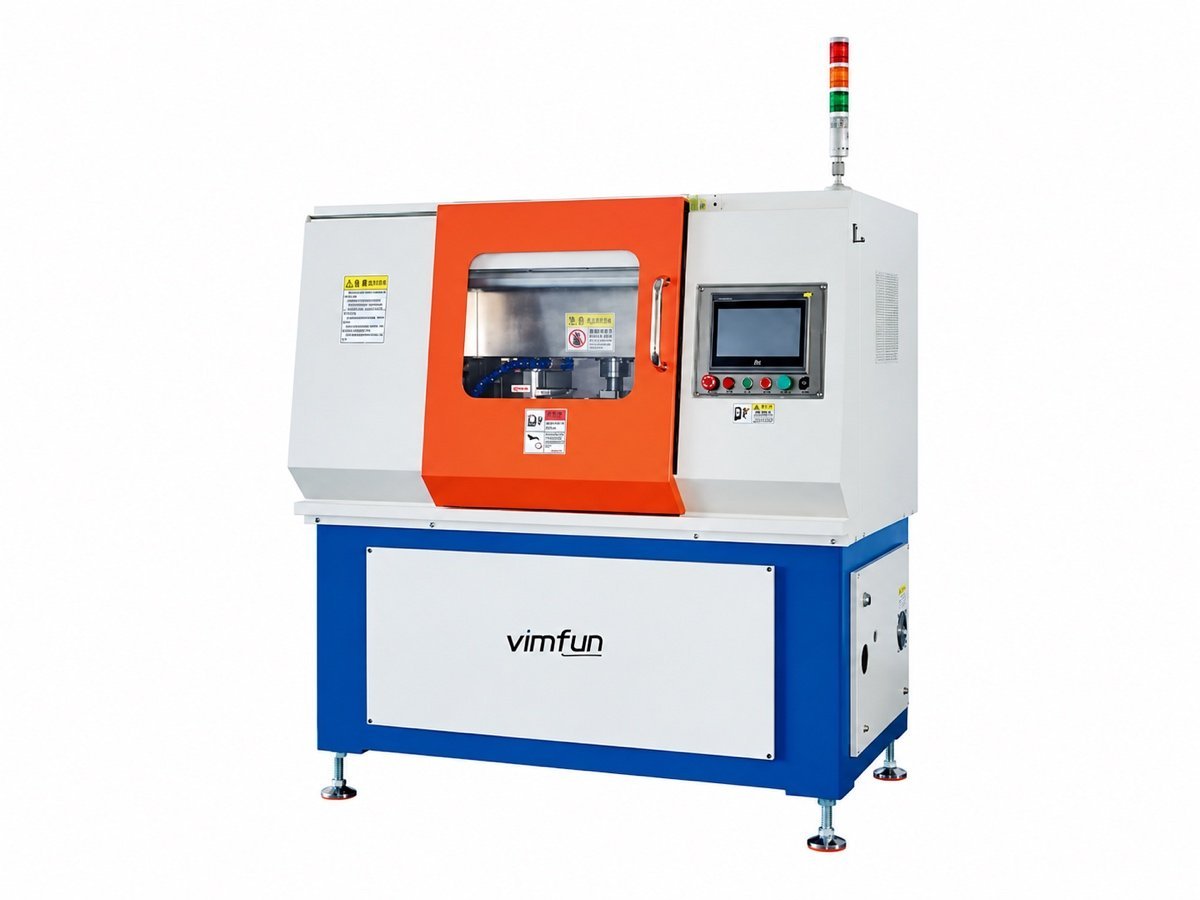
An optical lens edging machine project should identify the material by grade and condition, not only by a broad label such as glass or crystal. Provide the blank dimensions, the surfaces already completed and any restriction on contact with the workpiece. The selected machine, tool and process media need to be reviewed as a combination. A capability demonstrated on one model must not be assumed for every machine in the range.
Optical glass, fused silica, crystalline quartz, sapphire, germanium and technical ceramics present different processing requirements. The website’s range covers multiple applications, but that does not mean each station is a universal material-processing machine. For a model without a documented material list, ask for application review and representative sample machining before treating compatibility as established.
Discuss coolant or slurry handling, cleaning and the condition needed by the next operation. The trial should use representative stock rather than an unusually easy sample. If part families differ substantially in thickness, geometry or incoming damage, identify those differences in the request so the proposed configuration can be assessed against the real production mix.