
Watch Glass Polishing Machine
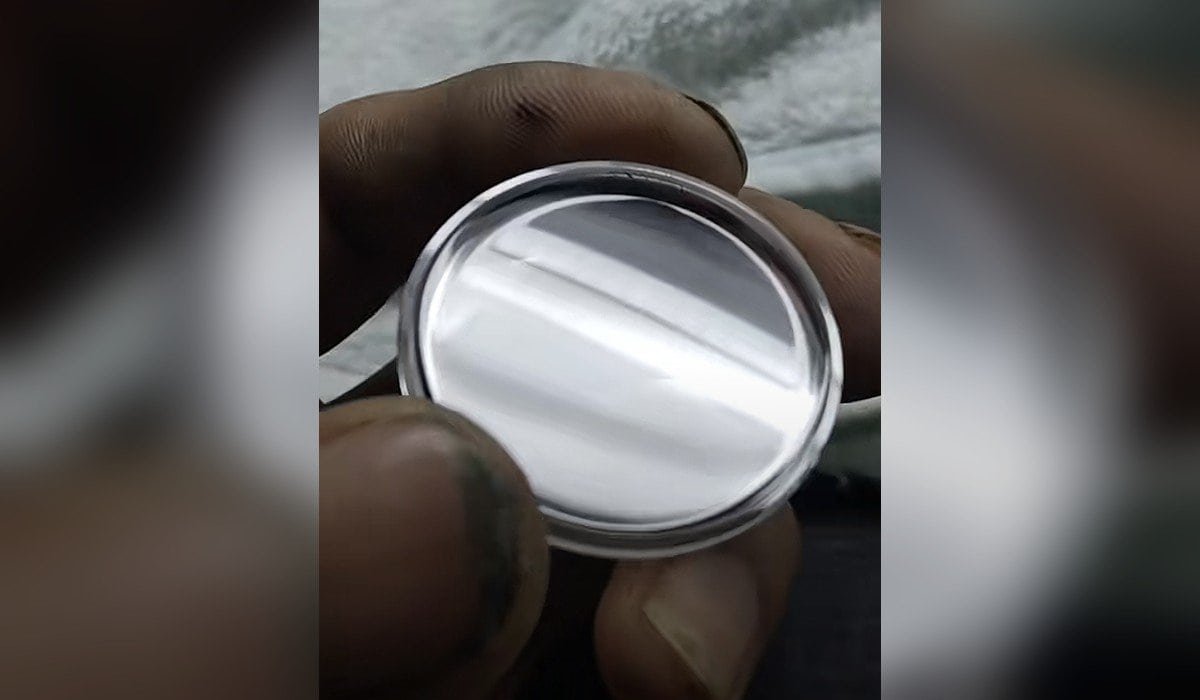
A watch crystal is judged under a jeweller’s light, at the edge, by someone holding it. That is why a watch glass polishing machine is specified around the chamfer and the rim, not around the face.
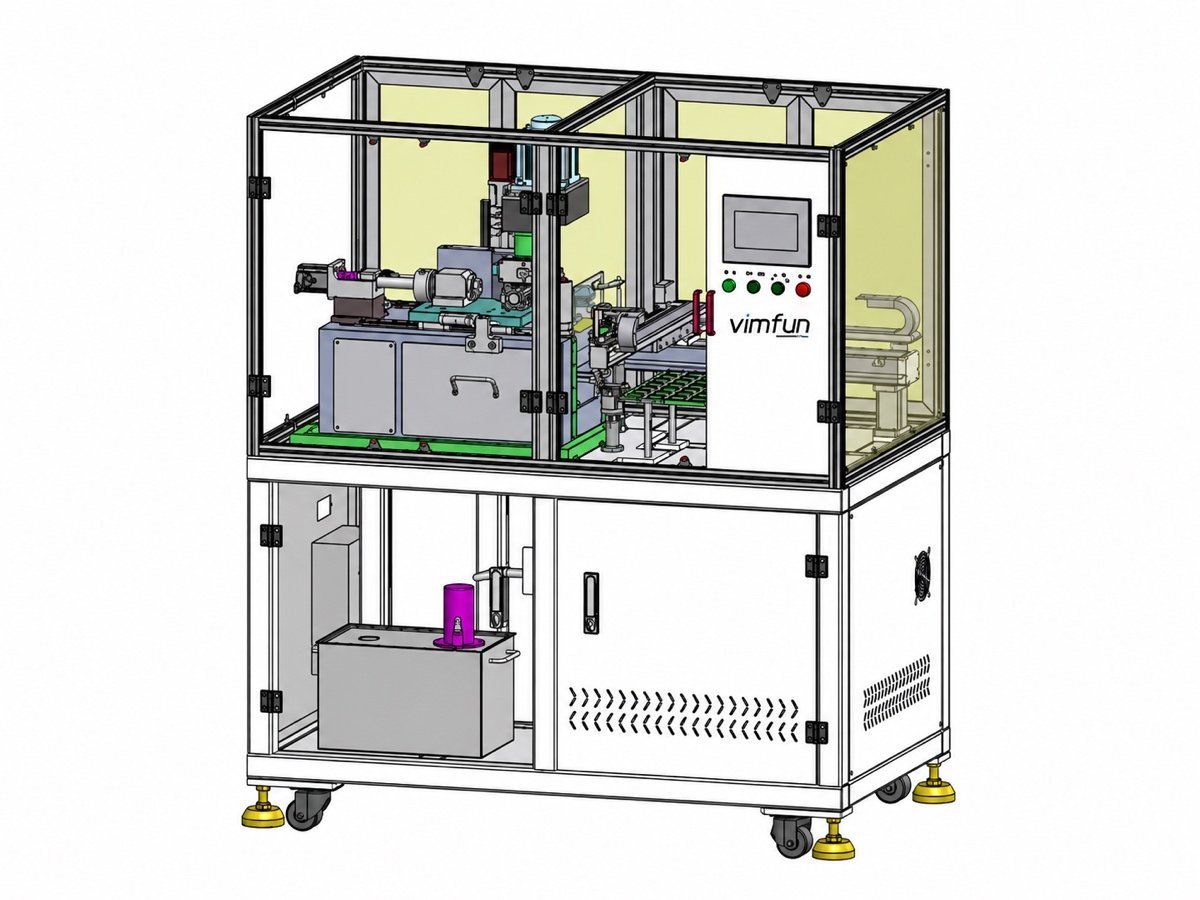
What a watch crystal actually has to pass
Four features, and they are not made by the same machine. Read the section below and you can tell which station your reject rate is coming from.
- Diameter and thickness Ø5–80 mm covers the whole watch range from a small date window to an oversize case; thickness is set at lapping, long before anyone polishes.
- Chamfer form flat bevel, rounded, or a 2.5D curved rim. Say which one on the drawing — it decides whether the part needs one station or two.
- Edge appearance the real acceptance test is visual: no chipping, no pitting, no haze under a bright light at a shallow angle. Nobody inspects a crystal face-on.
- Batch rhythm a crystal is a high-volume part. Cycle time and how parts are loaded matter more here than in any optical shop.
Those four features are also a shopping list. No single watch glass polishing machine owns all of them: the diameter and the chamfer belong to one machine, the curved rim to another, and the face to a third.
Sapphire or mineral glass — what changes?
The drawing looks the same. The process does not, and the difference is mostly felt at the edge and in the cycle time.
| Sapphire crystal | Mineral glass | |
|---|---|---|
| Blank supply | Sliced from a boule on diamond wire, orientation fixed at the saw | Cut from sheet or pressed, then flattened |
| Stock removal | Slow; wheels and pads wear noticeably faster | Faster, and more forgiving of feed changes |
| Chipping risk | High at the chamfer if feed is not eased at break-out | Moderate; recoverable with a longer fine pass |
| Edge finish | Takes a bright edge, but only after the ground layer is fully removed | Polishes out quickly |
| Cycle time | Longer — quoted after a trial on your own blanks | Around 15 s a part on the automatic edger |
| Where the cost sits | Material and wire at the saw | Labour and handling at the finishing stations |
Sapphire blanks come off a sapphire cutting machine before any of this starts, and how that cut was made is the single biggest influence on how much work the chamfer needs. Material data such as Crystran’s sapphire sheet gives the properties; the trial gives the cycle. Which watch glass polishing machine the chain needs follows from that one answer.
Which watch glass polishing machine does each step need?
There is no single watch glass polishing machine that does all four features. What there is, is a short chain where each station owns one feature and hands the part on.
Face polishing, where the drawing calls for it, runs on the FP series; the whole route as one line is on the complete fabrication line page. The automatic edger’s own specification names cover glass and watch crystals as its typical parts, which is why it anchors this chain rather than a lens machine.
We do not coat — no anti-reflective or hardening layers — and we do not assemble watches. Our equipment takes the crystal from blank to finished edge and face, and stops there.
What goes wrong on watch crystals, and what stops it?
All five show up at final visual inspection, which is the most expensive place to find anything.
| Defect | Where it starts | What stops it |
|---|---|---|
| Chipping along the chamfer | Feed held high as the wheel leaves the edge | Eased feed at break-out, fine wheel pass, the part held flat by vacuum rather than clamped |
| Haze or pitting on the rim | Ground layer not fully polished out | Longer polish at the rim than the face needs — the ground layer is deeper than it looks |
| Thickness variation in a batch | Faces finished one at a time | Batch lapping between two plates before any edge work begins |
| Witness marks on a 2.5D rim | Tool path stopping and restarting around the contour | A single stored outline run continuously, rather than an operator walking the edge |
| First part good, last part not | Wheel and pad wear across a long run | Dressing on a schedule, and fixtures that present every part the same way |
Four of those five are handling problems rather than capability problems. That is the argument for choosing a watch glass polishing machine with automatic loading even at modest volume — the machine is not the variable, the operator’s hands are.
How do you get the cost per crystal down?
Not by cutting faster. On a part this small, the money is in handling: how many times a human picks the crystal up, and how long a machine waits for the next one. Vacuum pick-and-place on the edger removes the first; stacking and racking removes the second.
There is one piece of hard evidence worth knowing about. The stacking machine racks cover glass to a height of 210 mm, and the edge polisher clamps a stack of exactly that height — the two were built to line up, so a rack comes off one machine and goes onto the other without repacking. That is what a matched pair looks like in practice, and it is the difference between one operator running two machines and one operator feeding one.
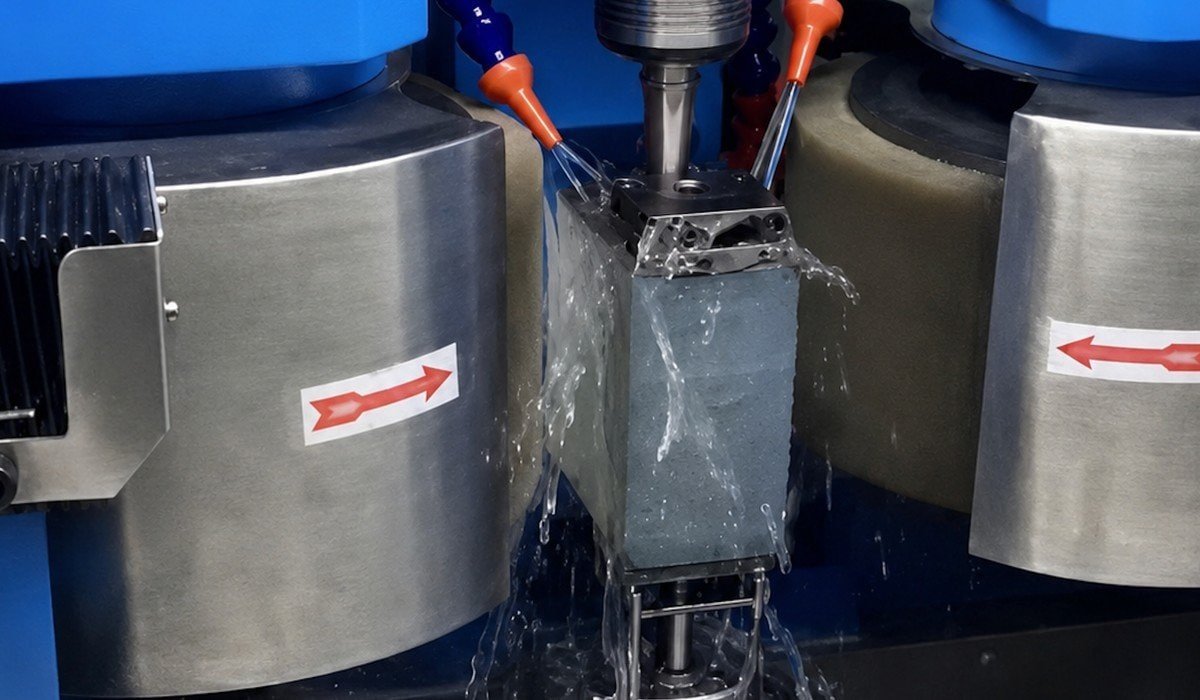
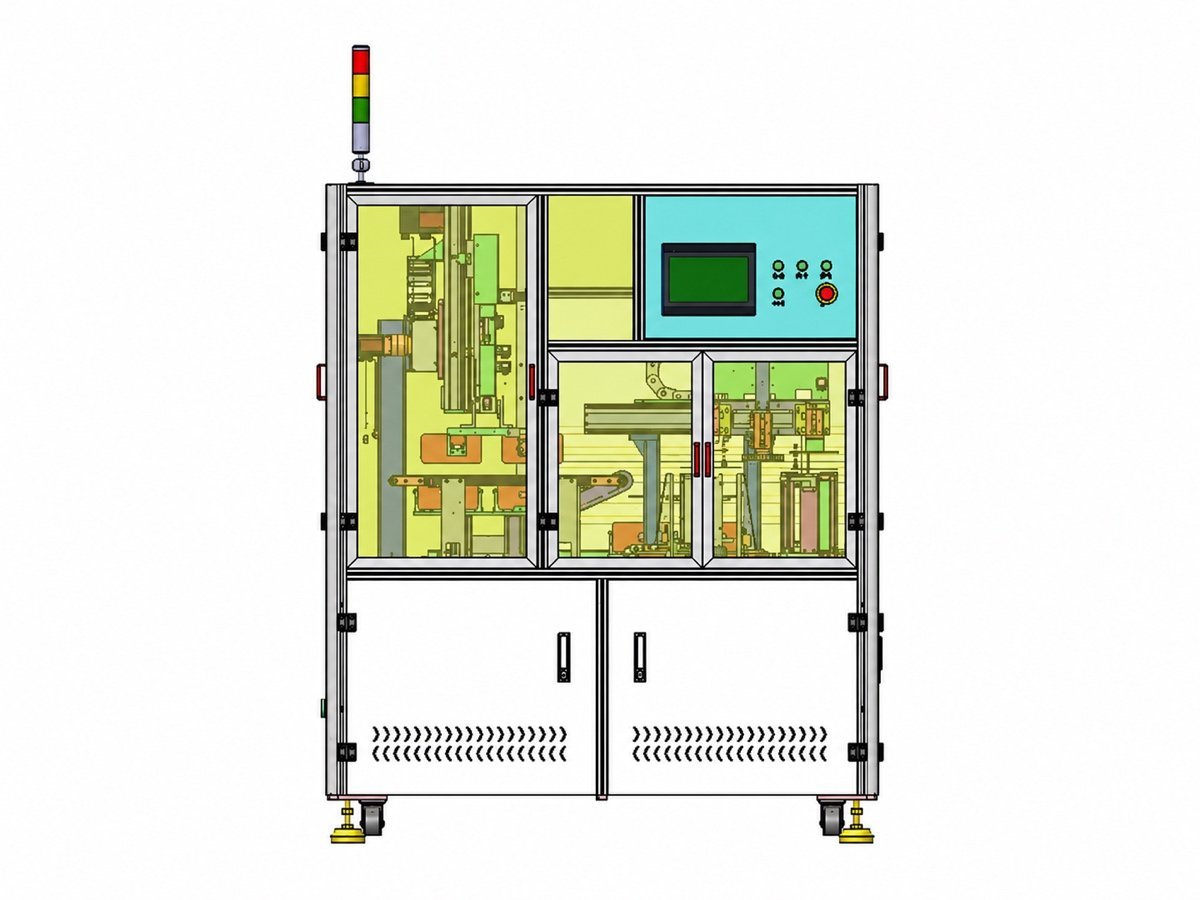
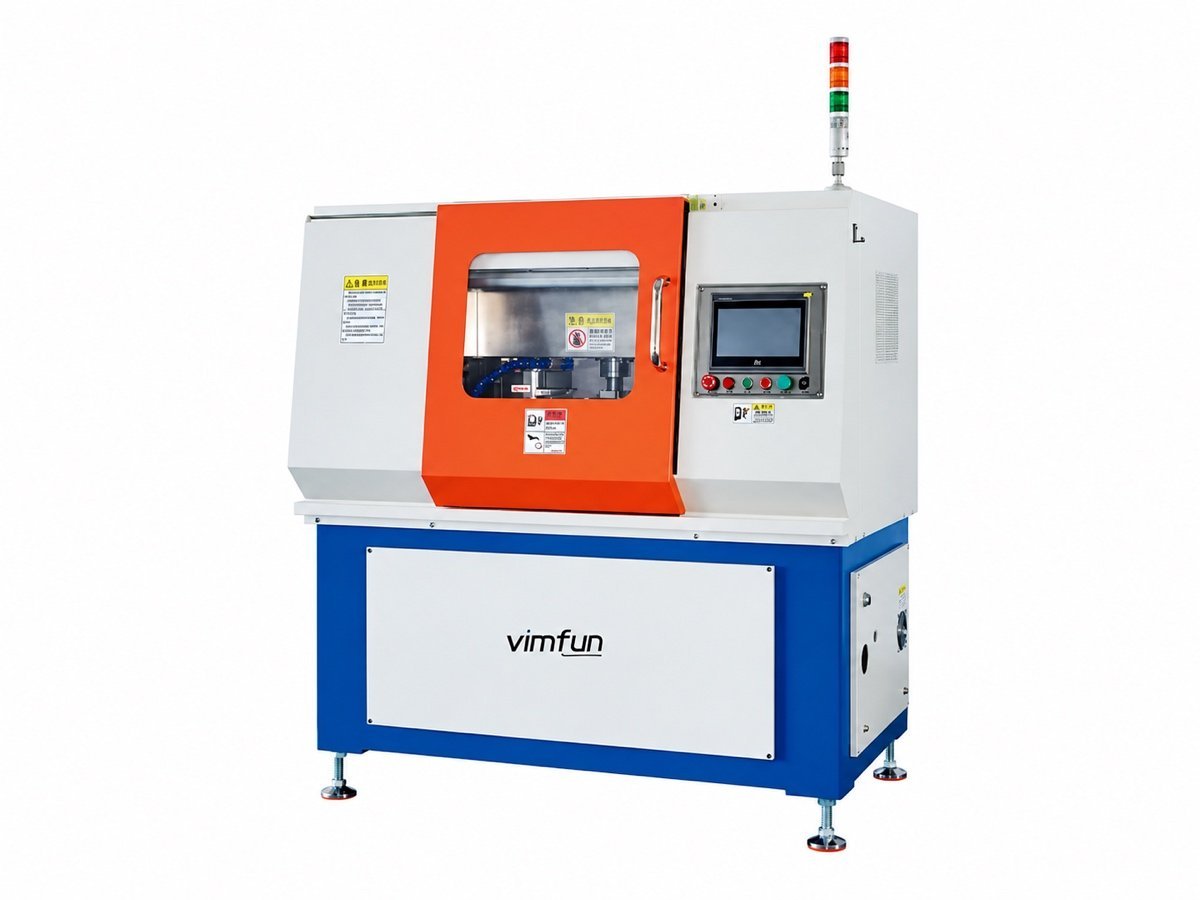
The pairing is described on the AL-7S stacking machine page. Tolerances are quoted against drawings written to ISO 10110, and sapphire behaves like the other hard crystals once it reaches the polishing shop — see crystal polishing.
Send twenty crystals, not a specification
Twenty parts tell us more than twenty emails. We run them free on the matching machines and send back the edge under magnification, the measured cycle, and which watch glass polishing machine each step of the chain needs.
Arrange a trial run- Sapphire or mineral glass, and where the blanks come from
- Diameter, thickness and the chamfer form you need
- Flat rim or 2.5D curved edge
- Monthly volume and the visual standard you inspect to
Free trial run on your own parts, freight at your cost · ISO 9001 · CE · 12-month warranty · 8-hour response