
Optical Lens Grinding Machine Price: What Actually Drives It
The optical lens grinding machine price you are quoted is not one number. It is six decisions about loading, control, gauging, tooling, compliance and delivery — and you make most of them, not us.
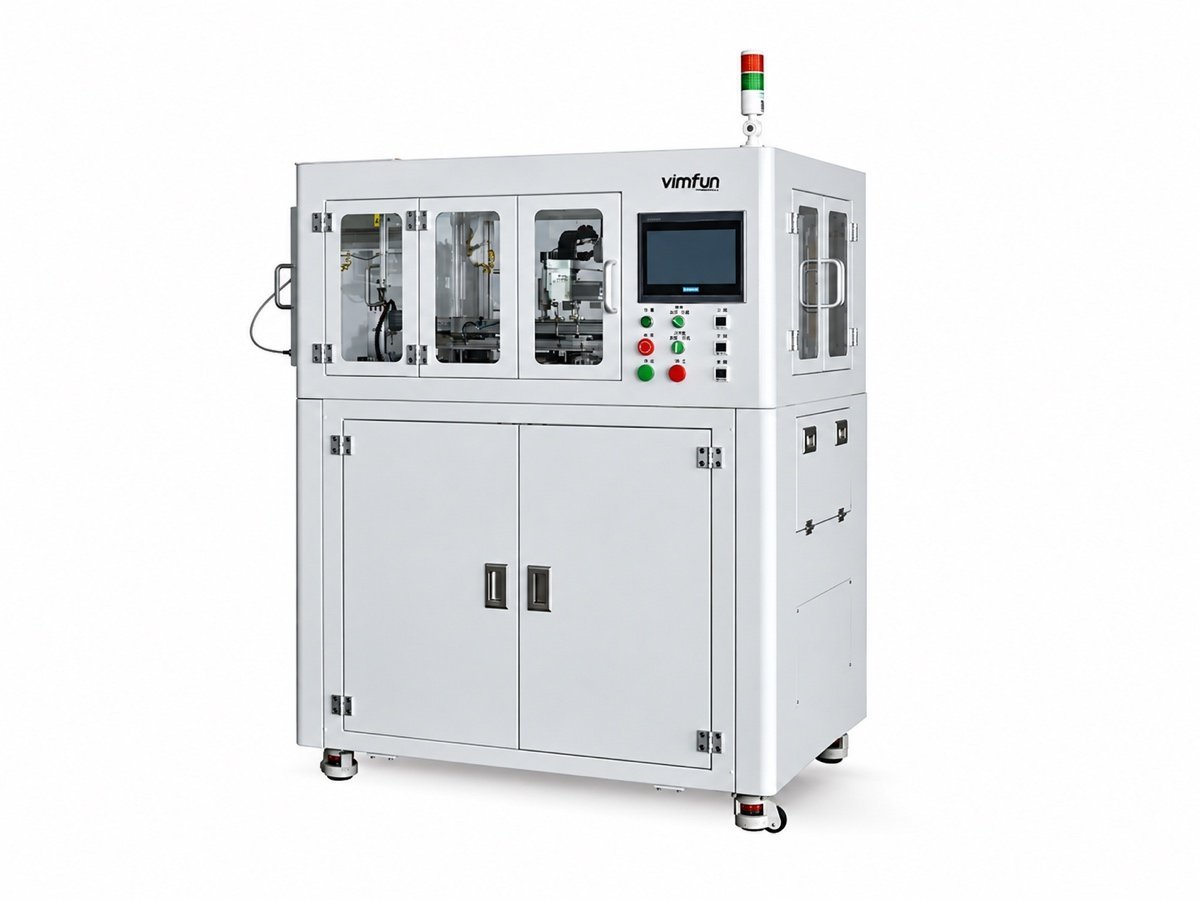
Why this page carries no price list
A manual bench generator and a CNC generator with in-process sagitta gauging produce the same geometry, but they are not the same purchase. A figure quoted without a specification behind it puts the wrong line in your budget.
The number also moves for reasons unrelated to the machine: destination voltage conversion, CE documentation, freight rates, and tooling cut for your part numbers. A figure published in September is wrong by November.
So this page gives you the logic instead: which band you belong in, which options you can leave out, and what to send us for a real number.
What actually sets the optical lens grinding machine price?
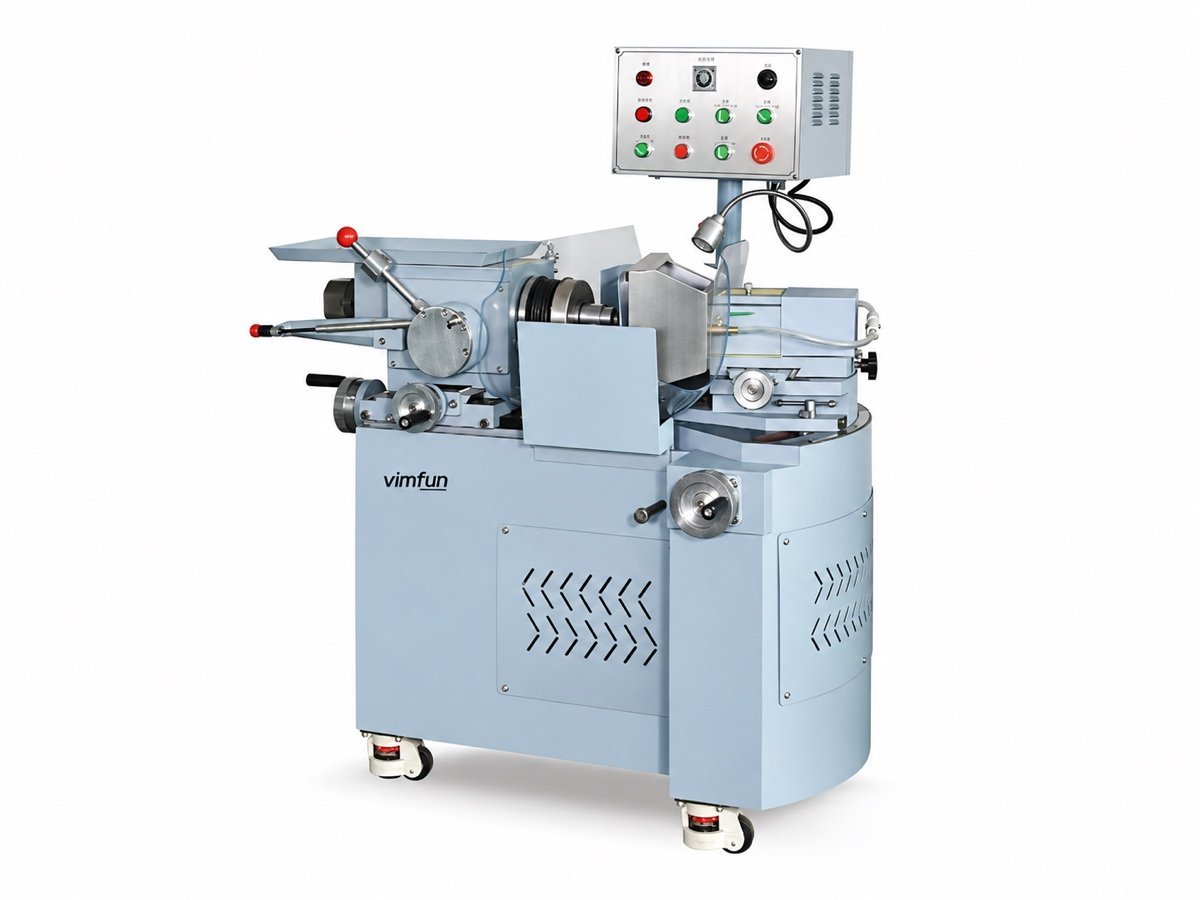
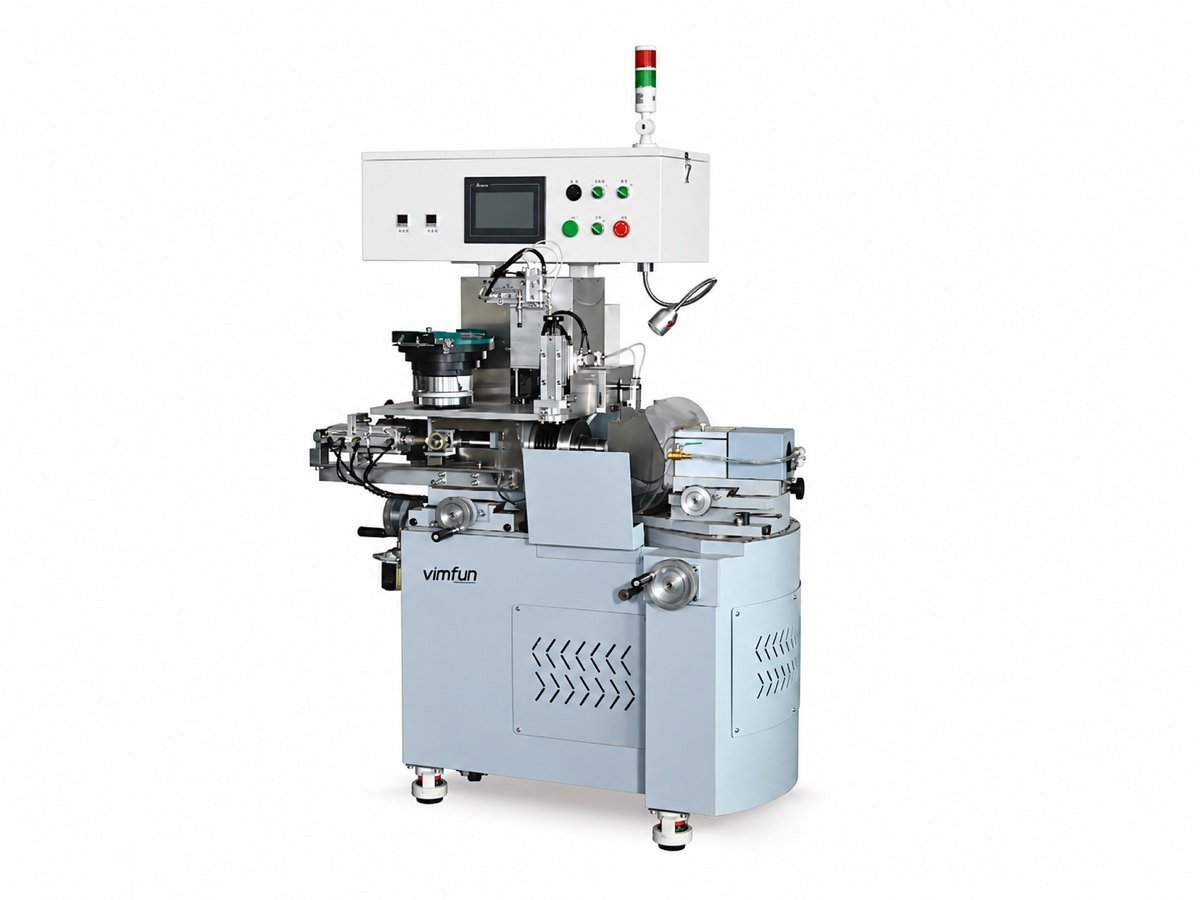
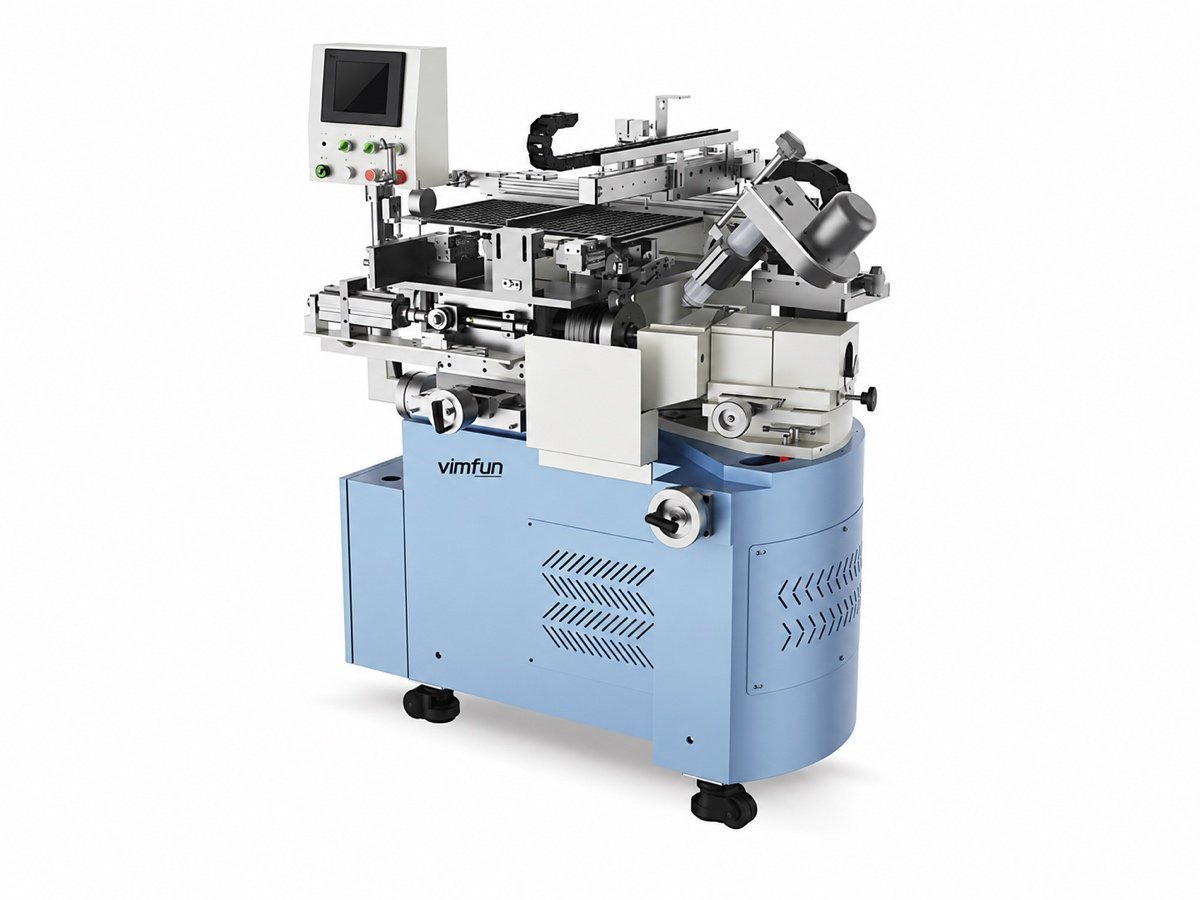
Read the ladder from the top down: every step adds capability, and every step moves the optical lens grinding machine price in the same direction. Each band is a machine we build, with its own specification page.
| Band | Loading | Control | Gauging | Direction |
|---|---|---|---|---|
| Manual benchSG-80 · SG-120 | By hand, part by part | Manual tilt slide | Off-machine, by operator | ● baseline |
| Bowl fedAuto-SG-20V | Vibratory bowl, loose blanks | Automatic cycle | Automatic sagitta measurement | ▲ |
| Tray fedAuto-SG-80T | Tray in, tray out | Automatic cycle | Automatic sagitta measurement | ▲▲ |
| Bowl in, tray outAuto-SG-50VT | Bowl in, X/Y tray out | Automatic cycle | Automatic sagitta measurement | ▲▲ |
| CNC generatorAuto-SG-50 · 80C | Tray in, tray out | CNC five-stage feed, auto wheel dressing | In-process sagitta with automatic compensation | ▲▲▲ |
| Vertical twin spindleAuto-SG-20W | Bowl feed with automatic flip | Twin spindles, both faces | Micrometer gauge | ▲▲▲ |
Cylindrical (CG-140) and bore grinding (BG-50) are different geometries and cannot be compared band for band with spherical machines. Both are on the grinding machine range. Material changes the wheel and the feed rather than the machine: see optical glass, quartz, ceramics and optical crystals.
Which of the six decisions moves the number most?
- Loading and automation. Hand, bowl or tray changes the structure of the machine, not an attachment on it.
- CNC control and in-process gauging. Servo axes, sagitta measurement and compensation arrive as one package.
- Size class. A Ø120 mm machine is not a scaled Ø20 mm one — spindle power, internal-jet cooling and rigidity only matter on large work.
- Wheels, collets and fixtures. Every new part number adds a set, and this line repeats every year you are in production. Tolerances per ISO 10110 decide how much you need.
- CE marking and destination voltage. Not optional if you import into the EU — see the European Commission on CE marking.
- Freight, installation, training, spares. Moves with shipping lanes and your destination country, not with the machine.
How much does automation actually save?
Automation raises the optical lens grinding machine price. Whether it pays back is arithmetic, not opinion — these are the three lines we run with customers during quotation.
Operator coverage
One operator watches several bowl- or tray-fed machines while they run; a manual generator wants hands on every part. For most shops this line decides it.
Changeover time
Tray loading and stored programmes compress the minutes between part numbers. A high-mix shop feels this far more than one running a single lens all year.
Scrap and traceability
Where in-process gauging and automatic compensation earn their keep, and where downstream inspection closes the loop.
You will not find a payback period here — that is a promise about your factory, and we have not seen yours. Send your part and batch size and we will run these lines with you.
What is usually not in the quotation?
Five things sit outside the optical lens grinding machine price on almost every quotation we issue. Check whether a competing offer has absorbed them, or quietly left them out.
- Import duty and customs clearance — set by your HS code and your country.
- Foundation, power supply and compressed air — plant work done before arrival.
- Coolant and slurry — first fill, and the consumption after it.
- Annual wear parts — wheels, vacuum cups, fixtures per part number.
- Destination insurance and inland haulage to your door.
These five are decided by your plant and your destination country. An estimate for them on our quotation is the fastest way to put a wrong figure in your budget. We itemise what we control and name what we do not. Quotations are FOB by default; ask for CNF or DDP and some of these lines move onto our side.
How do you get a firm quote?
No forms first. A drawing and a handful of blanks is enough.
Costing a whole shop, not one machine? Start from the complete fabrication line and we will quote the stations in bottleneck order.
ISO 9001 · CE · customers in 20+ countries · 12-month warranty · 8-hour response
Common questions about grinding machine budgets
Why will you not publish figures?
Because the optical lens grinding machine price moves with configuration, tooling, destination voltage and freight. A number with no specification attached is one you cannot budget from.
Does a CNC machine always cost more to own than a manual one?
To buy, yes. Per finished lens, not necessarily — it depends on batch size and changeover frequency. Run the three lines above and it stops being opinion.
Can I buy a manual machine now and upgrade it to CNC later?
No, and we would rather say so. These are different machines, not one machine with an option box. Phase by process step instead: prove the work on a manual machine, then automate the station that becomes your bottleneck.
What does the quotation include as standard?
Configuration is confirmed order by order, and our quotation itemises every line so you can see what belongs to the machine and what belongs to tooling. We publish no standard-versus-optional list; it would be wrong for half the people reading it.
What is the lowest-risk way to add grinding capacity?
Prove the process first. One machine, your own blanks, a measured cycle time — then decide how much automation your volume justifies. Most of the regret we see comes from automating before the process was settled.
Describe the part, not the machine
Send one drawing and a few blanks. You get a measured cycle time, a recommended band, and a quotation with every line itemised.
Send a drawing- Material, diameter, radius and tolerance
- Batch size and annual volume
- Destination country and supply voltage
- Whether you need loading automation now or later
Free trial run on your own blanks · 12-month warranty · 8-hour response, 24-hour plan, 48-hour fix