Can high precision cutting machines be accurate above cutting speed? Are things continually breaking? Users of high-precision cutting machines in hectic workplaces have requested this. Faster running is fine. Off-spec parts.
This article examines what maintains accuracy at fast speeds. It examines what breaks when it doesn’t. We’ll discuss three essential systems. Learn how material choice impacts things and what to check before buying or updating a machine.
Cutting machines at high speeds are accurate. This requires three systems to collaborate. Normal calibration checks maintain machine reference point accuracy. Sensors provide real-time error feedback. Control systems respond fast to feedback before errors arise.
What Is A High Precision Cutting Machine?
A high precision cutting machine is a machine that makes tight and exact cuts. It often works in the order of a fraction of a millimeter, cut by cut. This is a wide spectrum. It can mean an industrial high precision cutter for structural metal . Or it could be a micro precision cutting machine for small, delicate parts. What makes it special is a clear, tested tolerance number. Not an assertion on a sales page.
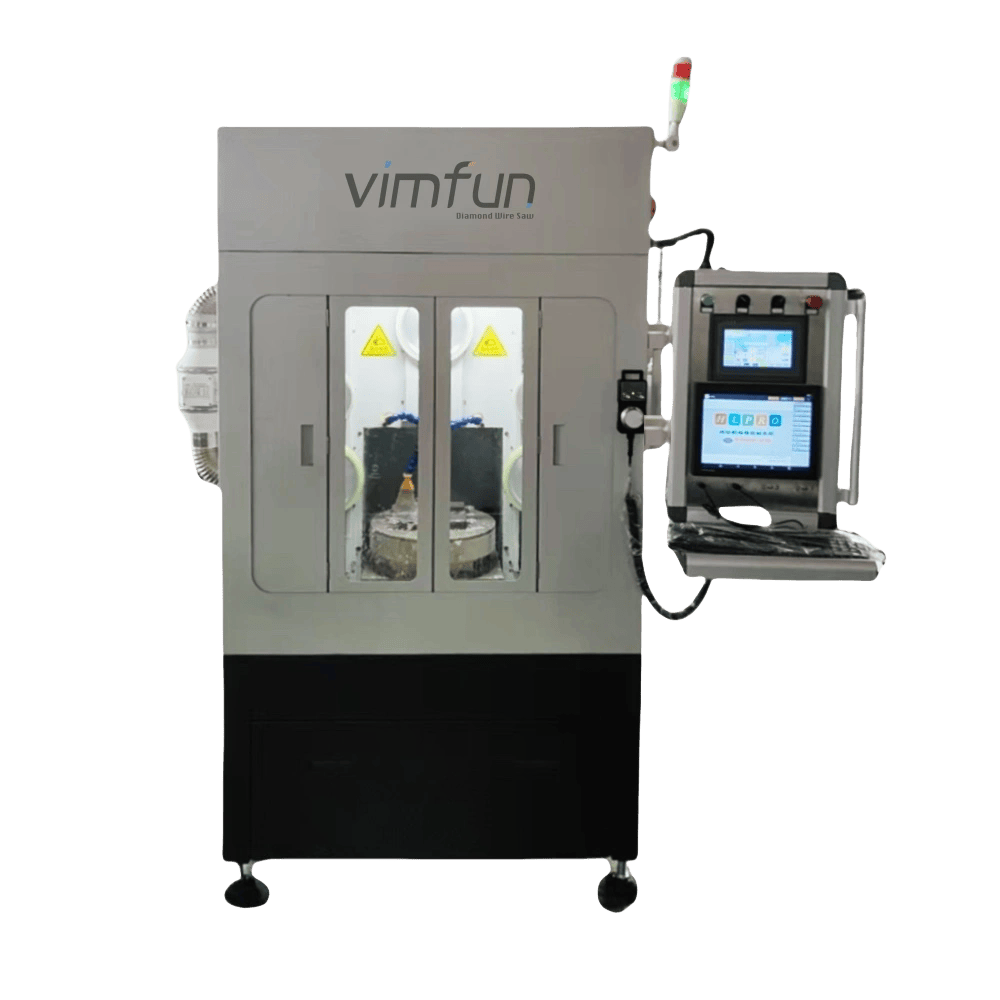
Where This Kind Of Machine Is Used
| Category | Typical Tolerance | Common Use |
| Micro precision cutting machine | Micron-level | Electronics, semiconductors |
| Industrial precision cutting machinery | Fraction of a millimeter | Structural metal, car parts |
| Ultra precision material cutter | Sub-micron in some cases | Optics, aerospace parts |
| General precision cutting equipment | Millimeter range | General shop work |
In this area speed and accuracy are often considered foes. The rest of this guide looks into whether that is really true. Or it’s just a design problem that can be corrected.
Can High Precision Cutting Machines Maintain Accuracy At High Speed?
Yes. But speed is not the only player in speed accuracy. There are three systems. Calibration is a good starting point. Feedback sensors detect errors while the cut is taking place. That feedback has to be read by the control system and reacted to rapidly. If too slow, errors pile up. A machine that is strong in only one or two of these areas will tend to lose accuracy as speed increases.
- Calibration: The Base Everything Else Relies On
Calibration sets the correct reference points for the machine before a cut begins. This includes axis alignment, position of the tool, and the zero point. Great sensors and a fast control system can’t fix a machine that grew from a wrong base.
- Feedback: Catching Errors While They Can Still Be Fixed
Feedback sensors check the actual cutting path compared to the planned path in real time. These include position encoders, laser tools and force sensors . Their job is to find errors early. Early enough that the control system can correct them mid-cut. Once the part is completed it is too late to find the error.
- Control: Why Fast Response Matters As Much As Accuracy
The control system speed is a function of how fast the control system can react to feedback. The higher the cutting speed, the less time there is to recognize and correct an error. A control system that worked fine at low speed can be the weak point at high speed.
What Happens When Speed Outruns These Systems
- At high speed calibration drift is more important. Less time to fix it before the next cut begins.
- At speed, even a small sensor delay matters more. More distance is cut in the same short space.
- A slow control system adds its delay. This negates good feedback data.
- If one of these three goes wrong, it tends to drag the other two down, too.
Calibration Frequency And Its Effect On Long-Term Accuracy
Normal usage causes calibration to drift gradually. It’s vibration, heat and tear. This drift will happen faster with fast work than slow, low-stress cutting.
- As the cutting speed increases, recalibrate more often.
- Closer tolerance also requires more checking.
- A fixed calibration schedule that ignores speed causes errors to accumulate over time.
General standards for machining tolerances such as ISO 2768 are a good reference. They show what “normal drift” looks like at different degrees of tolerance.
CNC Precision Cutting Machines: Auto Calibration & Feedback
Typically, the CNC precision cutting machine combines the calibration check, feedback and control in an automated system. This reduces the amount of work a worker needs to manually watch and fix. Automatic high precision cutting tool or automatic precision cutter is more likely to work accurately at high speed. Only because a machine loop reacts faster than a person can.
High Accuracy Metal Cutting: What Changes With Material
Metals react to cutting stress in a different way from softer materials. That means more mistakes can happen quicker.
- Metal hardness and response to heat affect how quickly errors show up at speed.
- A high accuracy metal cutting machine often requires faster feedback checks. Metal tolerances are usually tighter in real terms.
- Heat can cause its own size drift in the fast metal cutting. This compounds the effects of vibration and wear.
- The coolant flow and the chip removal also influence the steadiness of a cut at higher speeds.
Micro Precision Vs Industrial Precision Cutting
Not all precision cuts react to speed the same way. Three common types are compared in the table below.
| Machine Type | Typical Tolerance Range | Sensitivity To Speed | Calibration Frequency Needed |
| Micro precision cutting machine | Micron-level | Very high | Frequent |
| Standard industrial precision | Fraction of a millimeter | Moderate | Regular |
| Ultra precision material cutter | Sub-micron | Extreme | Very frequent |
An ultra precision material cutter will likely lose accuracy at a far lower speed than standard equipment. There is less room for error from the start. So there’s less room to absorb any drift.
What To Check In A High Precision Cutting Machine Manual
A good high precision cutting machine manual should give more than one best case number.
They do not give one ideal number but give a list of tolerance numbers for a variety of cutting speeds.
- A good calibration plan for your own speed range.
- Sensor specifications, such as how quickly they respond to errors.
- Maintenance times come from real use and not a fixed generic list.
What Affects High Precision Cutting Machine Price
The price of high precision cutting machines is not a fixed number, but tends to follow a few clear cost factors :
- How good the feedback sensors are. How fast they sample data.
- The speed at which the control system can process and react.
- Degree of automation, e.g. auto-calibration vs manual checks.
- Long term stability is a function of the build quality of the axes and frame.
Evaluating A Precision Cutter’s Real Speed And Accuracy
A few simple checks before you buy will tell you more than a spec sheet alone:
- Ask for tolerance data at your actual operating speed, not just the maximum rated speed.
- Check the response time of the feedback sensors. This determines the first build-up of how much error is allowed.
- Verify long, high speed run calibration plans, not just base maintenance.
- Try Your Own Sample Cuts on Your Own Material at Your Own Speed Before You Buy.
Common Signs A High Precision Cutting Machine Is Losing Accuracy
There are some clear warning signs before a full tolerance failure occurs. Parts may appear rougher in finish from one run to the next. Measured sizes can slowly drift over a shift even without a tool change. You may notice more noise or vibration at a speed setting that used to run quietly. Early detection of these signs often means calibration drift or a slow sensor.
Frequently Asked Questions
- Does high cutting speed always reduce precision?
Not always. A fast machine with good calibration and fast sensors and control system can maintain accuracy at high speed. Accuracy generally suffers only if one of these three parts can’t keep up.
- How often should this machine be calibrated?
Recalibrate more often for higher speed and tolerance requirements. The faster the work, the faster the drift of vibration, heat and wear. So the calibration plan should match the actual use.
- What is the difference between micro precision and industrial precision cutting machines?
Micro precision machines get tighter, smaller tolerances on small parts. They tend to lose accuracy at a lower speed than standard equipment because the margin for error is so much smaller.
- Are automated precision cutters more accurate than manual cutters?
Yes, in general. Automated feedback and control can react to errors quicker than a person can watch and repair by hand. This generally means more consistent accuracy at higher rates.
- What questions should you ask before buying a high precision cutting machine?
Request tolerance data at your real working speed. Ask the feedback sensors their response speed. And ask about the plan for calibration for long, high speed use.
Conclusion
High speed accuracy is possible through high precision cutting machines. But that only works if the calibration and feedback and control all match the speed you want to run at. Generally, a machine strong in one area but weak in another will lose accuracy when the speed is increased. And this is why all three parts need to be checked together, not judged by one single spec.
If you’re working with hard or delicate materials- sapphire, quartz, ceramics, graphite, or other brittle stock- Vimfun is worth a peek. Instead of selling a single fixed spec sheet, the company builds custom diamond wire-cutting machines. They work with buyers directly on material type, tolerance requirements and target speed before suggesting a setup.