
Ausrüstung, Prozessunterstützung und Verbrauchsmaterialien
Wir entwickeln und liefern optische Bearbeitungsausrüstung für harte und spröde Materialien. Von einer einzelnen Schneidstation bis hin zu koordinierten Schleif-, Polier- und Inspektionsprozessen helfen wir Ihnen, die Maschine an das Werkstück anzupassen.
Kostenlose Musterschneidung
Senden Sie Ihr Werkstück und Ihre Zeichnung, damit wir die Schnittroute bewerten können, bevor Sie sich für eine Maschine entscheiden.
Besprechen Sie Ihr Muster →Maschinen- und Prozessauswahl
Geben Sie Geometrie, Material, Zieltoleranzen und Produktionsvolumen an. Wir empfehlen die Lade-, Werkzeug- und Maschinenkonfiguration.
Senden Sie Ihre Anforderungen →Verbrauchsmaterialien und Support
Diamantdraht, Werkzeuge und Ersatzteile sorgen für den reibungslosen Ablauf des Prozesses, mit Installation, Schulung der Bediener und laufendem Service.
Verbrauchsmaterialien erkunden →Sechs Schritte vom Rohling zur fertigen Linse
Folgen Sie dem Weg von einem Barren oder Block zu einer fertigen optischen Komponente. Wählen Sie Ausrüstung für die Herstellung von optischen Linsen nach Prozess, Material und erforderlicher Leistung — und passen Sie dann die Schnittstellen zwischen den Stationen an.
Maschinen nach Prozessschritt
Jede der folgenden Kategorien ist eine Ausrüstung für die Herstellung von optischen Linsen für harte und spröde Materialien — Germanium, ZnSe, ZnS, Silizium, Saphir, Quarz, optisches Glas und technische Keramik.
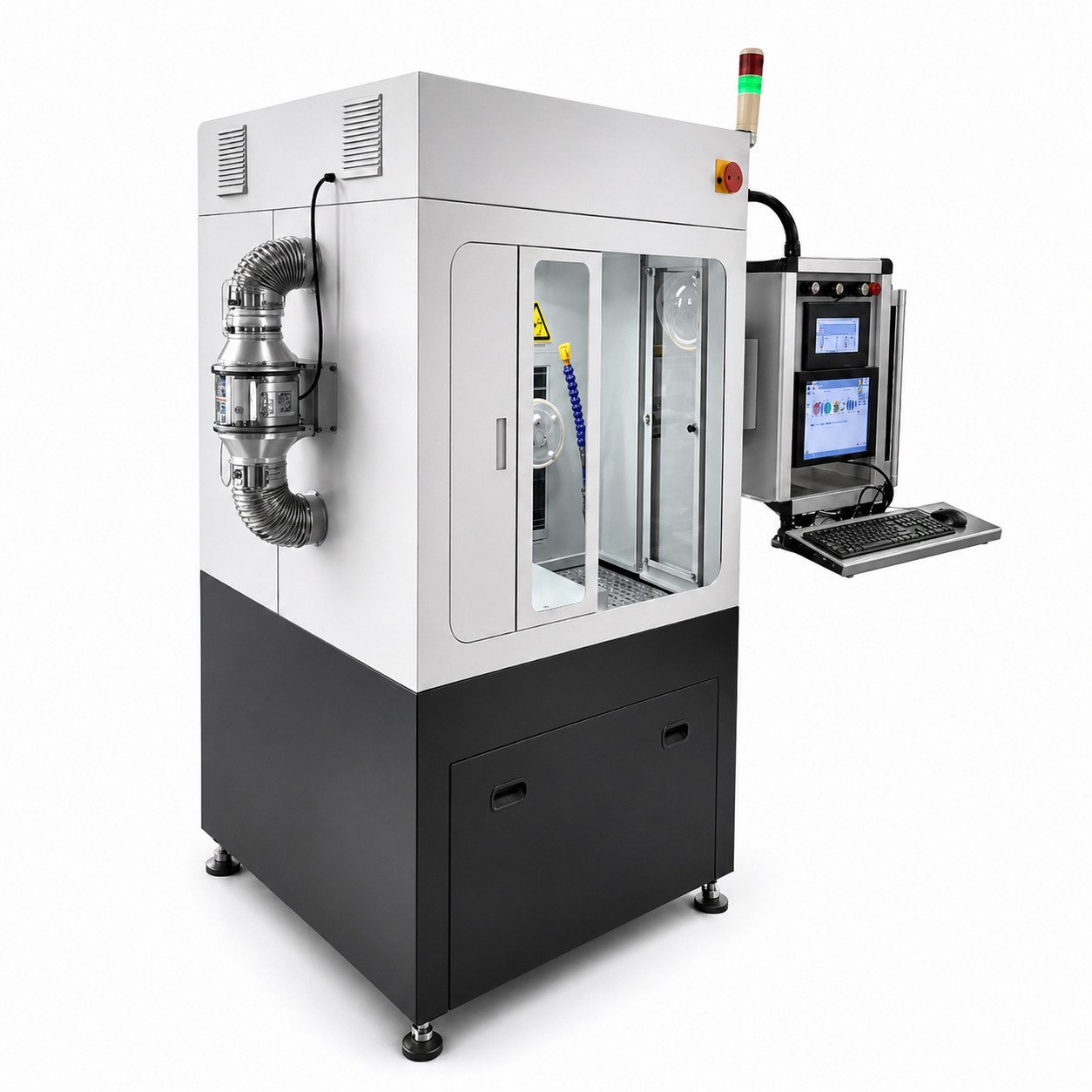
Schneiden & Sägen
Maschinen zur Bearbeitung von optischem Glas mit endlosen Diamantdrahtschleifbändern für gerade Schnitte, DXF-Konturen, Prismenwinkel und das Zuschneiden großer Barren. Eine Schnittfuge von 0,4 mm ist bei der SG 40 verfügbar; die endgültigen Einstellungen hängen vom Material und Draht ab.
Diesen Prozess erkunden →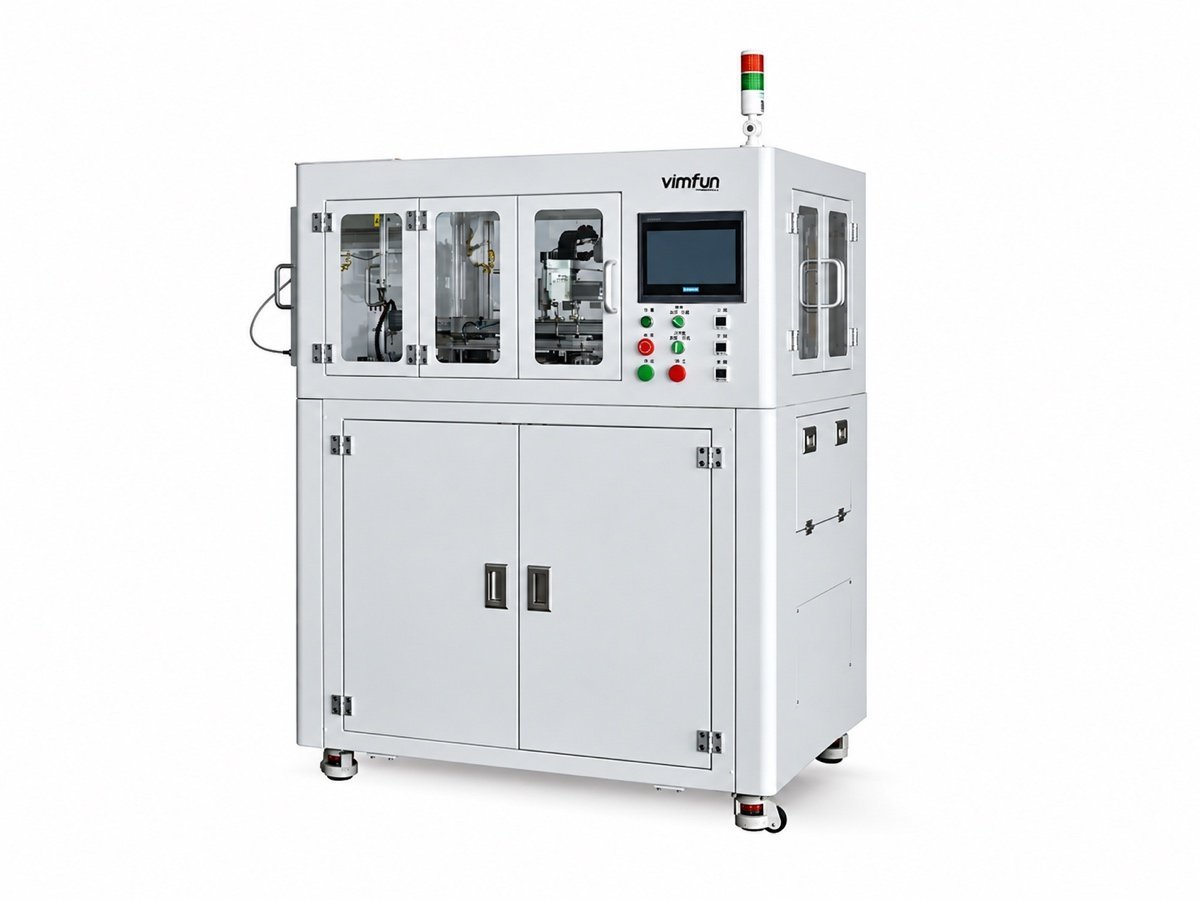
Formgebung & Schleifen
Sphärisches, zylindrisches und Bohrungsschleifen, von manueller Beschickung bis zur CNC-Automatisierung. Formgebungsmaschinen stellen den Radius über die Geometrie des Topfschleifkörpers ein; die CNC-Baureihe ergänzt die Messung und Kompensation der Pfeilhöhe an der Maschine.
Diesen Prozess erkunden →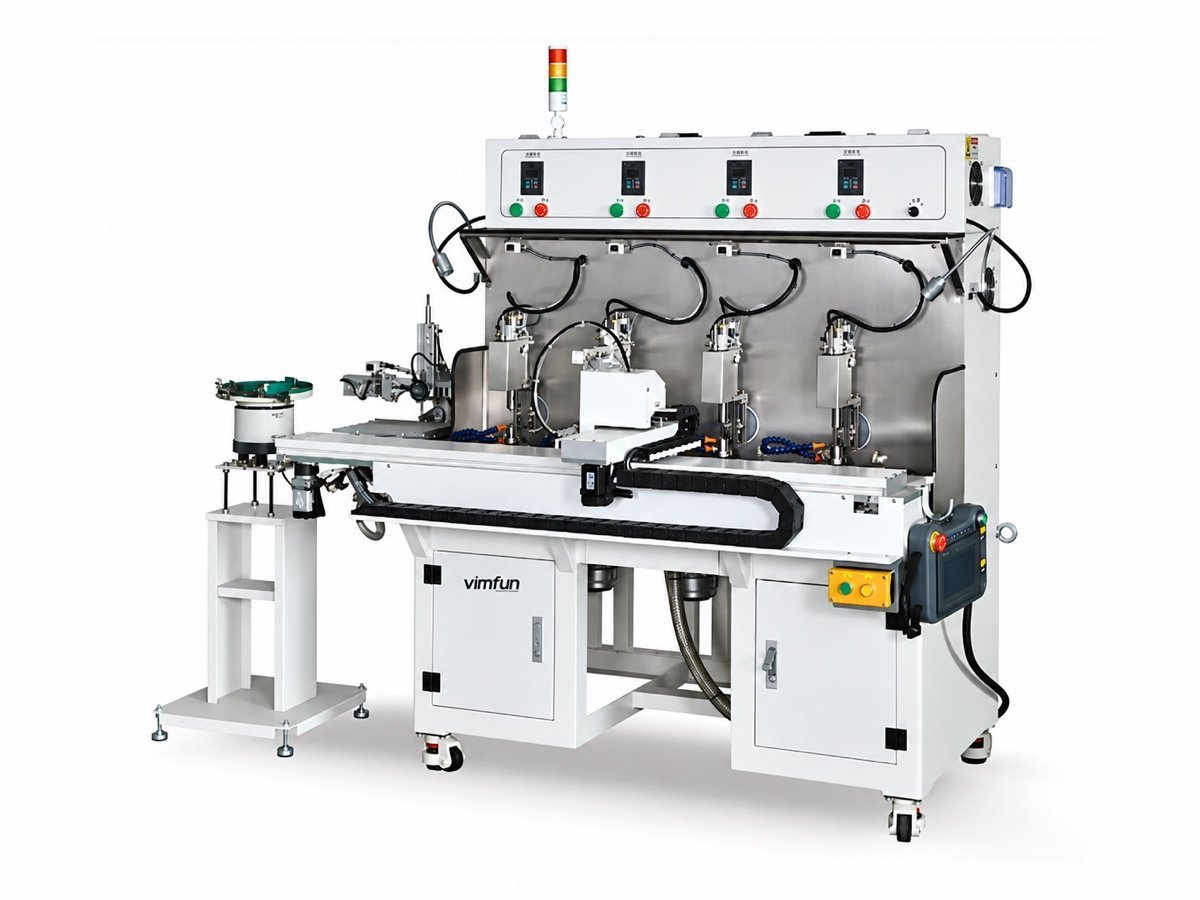
Feinschleifen & Polieren
Ober-Schwing-Maschinen für konkave Linsen, Unter-Schwing-Maschinen für konvexe Linsen und Kippachsen-Modelle für flache und sphärische Teile. Ebenfalls erhältlich: beidseitiges Läppen, 2D/2,5D Kantenpolieren und dreischeibiges Prismenfacettieren.
Diesen Prozess erkunden →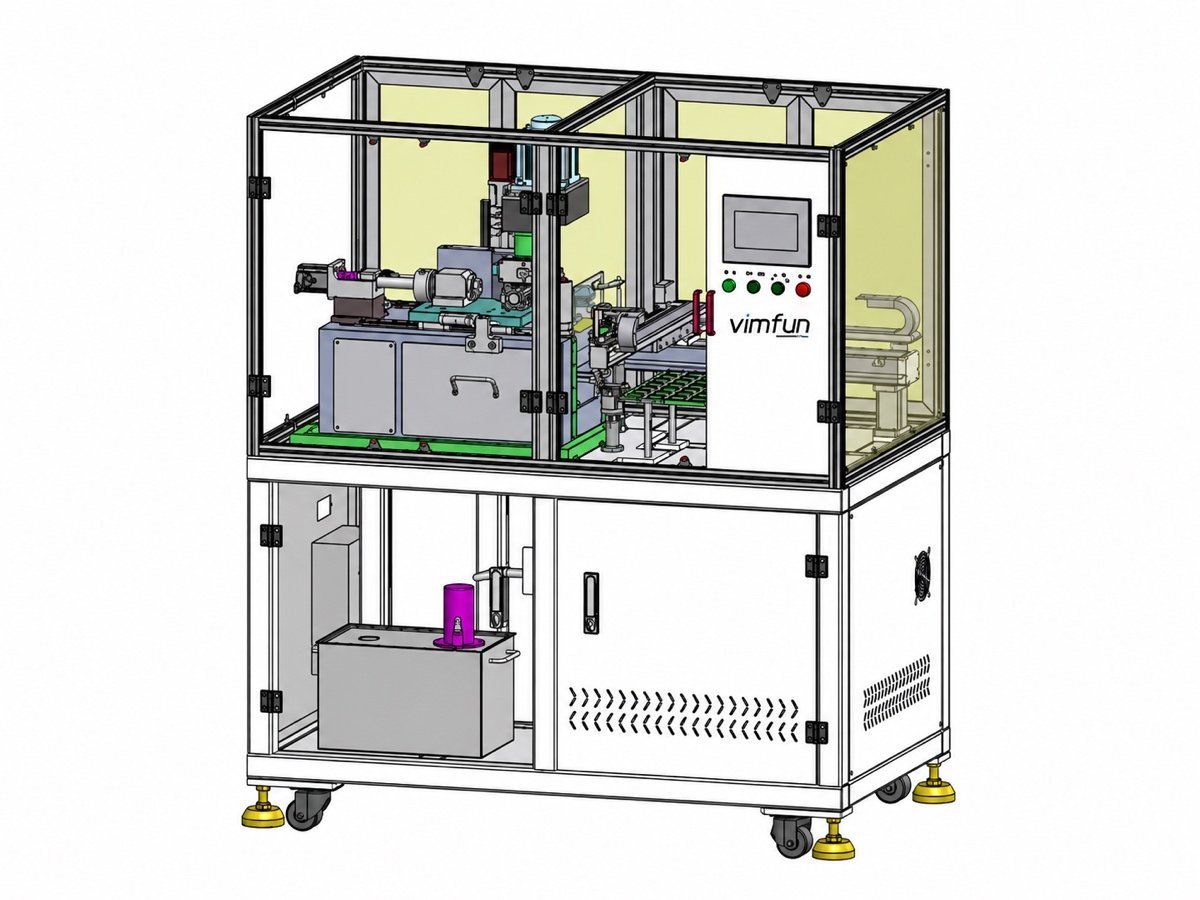
Kantenbearbeitung & Zentrierung
Grob- und Feinschleifen für runde und geformte Optiken, mit manueller oder automatischer Beschickung. Die Profilkopie stellt die Außenform ein; spezielle Zentriermaschinen mit Glockenspannung bearbeiten Teile bis Ø185 mm.
Diesen Prozess erkunden →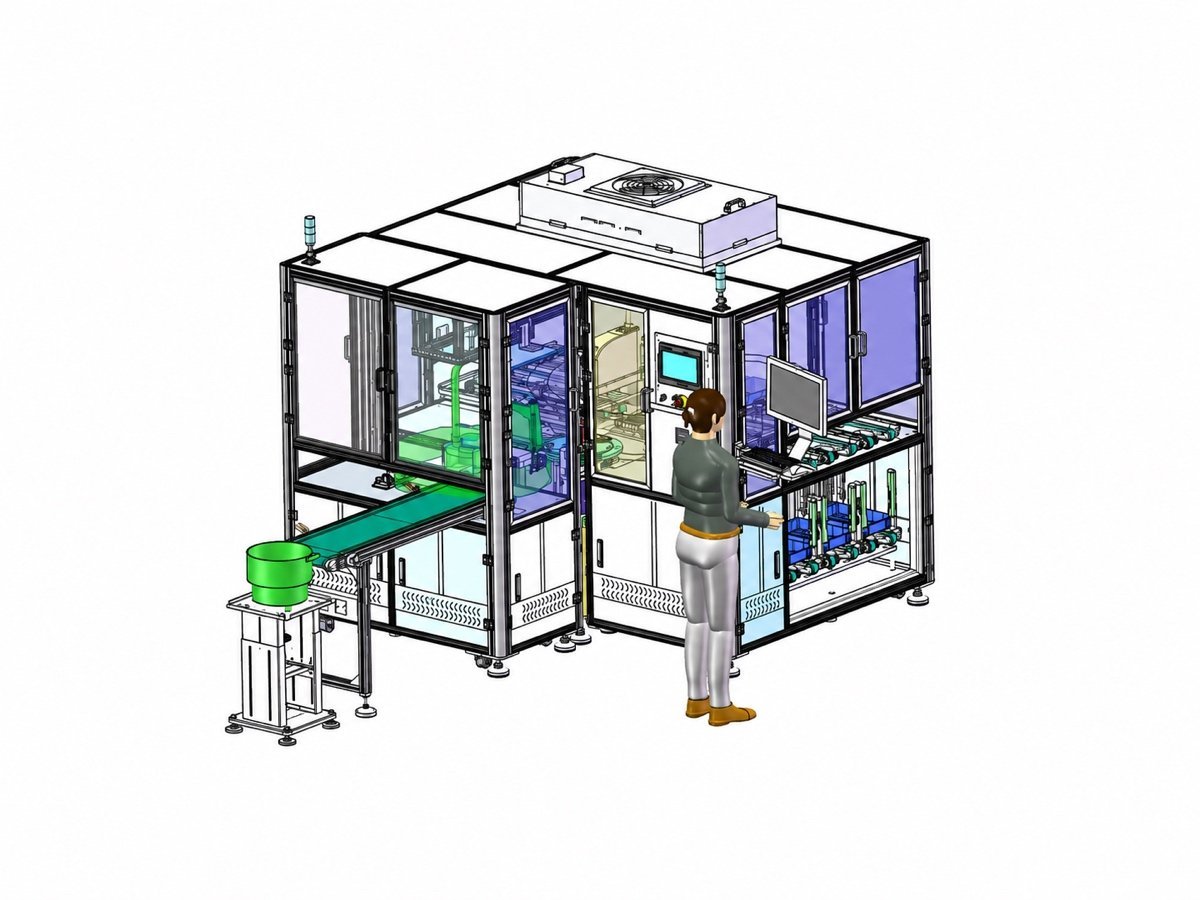
Inspektion & Sortierung
AOI-20 misst die Dicke von Flachteilen mit einer Sonden-Spezifikation von ±0,2 µm und sortiert mit ≥2.000 Stück/h. LI-20 prüft gekrümmte Linsen mit einer Wiederholgenauigkeit von ±0,0015 mm und einem Zyklus von 2 s. Unterschiedliche Aufgaben, unterschiedliche Inspektionssysteme.
Diesen Prozess erkunden →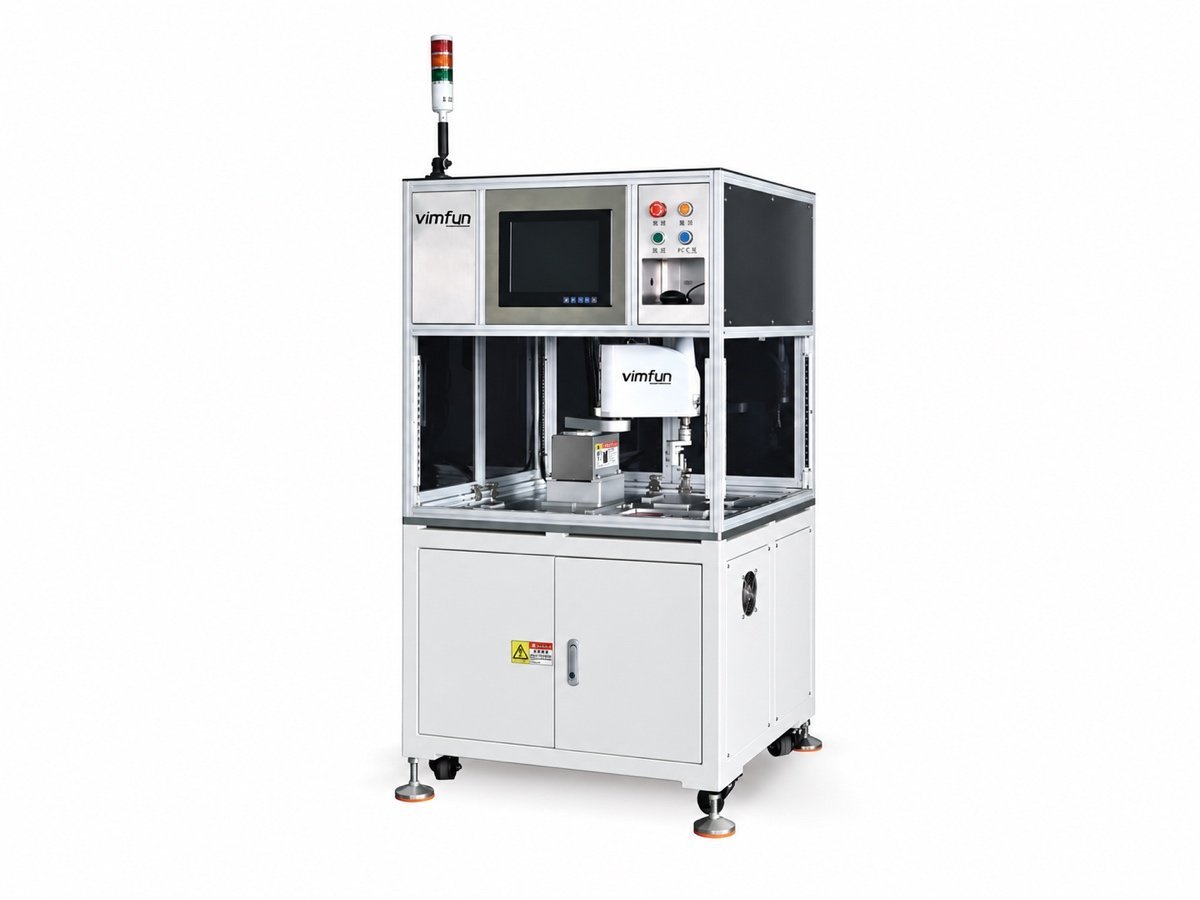
Beschickung & Automatisierung
Korbzuführung, Stapelung und Kassettenmagazinierung zwischen den Schritten. Spezifiziert nach Zykluszeit und nach dem von ihnen akzeptierten Fach, nicht nach Genauigkeit.
Diesen Prozess erkunden →Ausgewählte Maschinen entlang der Produktionslinie
Vergleichen Sie Ausrüstungen zur Herstellung von optischen Linsen für Schneiden, Formgebung, Polieren, Kantenbearbeitung und Inspektion. Beginnen Sie mit dem Vorgang, den Sie verbessern müssen, prüfen Sie dann die Werkstückgröße, Geometrie, Beschickungsmethode und den von der nächsten Station benötigten Durchsatz.
Kontur & Schnitt in einem
DXF-Konturmodus plus gerades Schneiden auf demselben Tisch. Ø400 × L400 mm.
Maschine ansehen →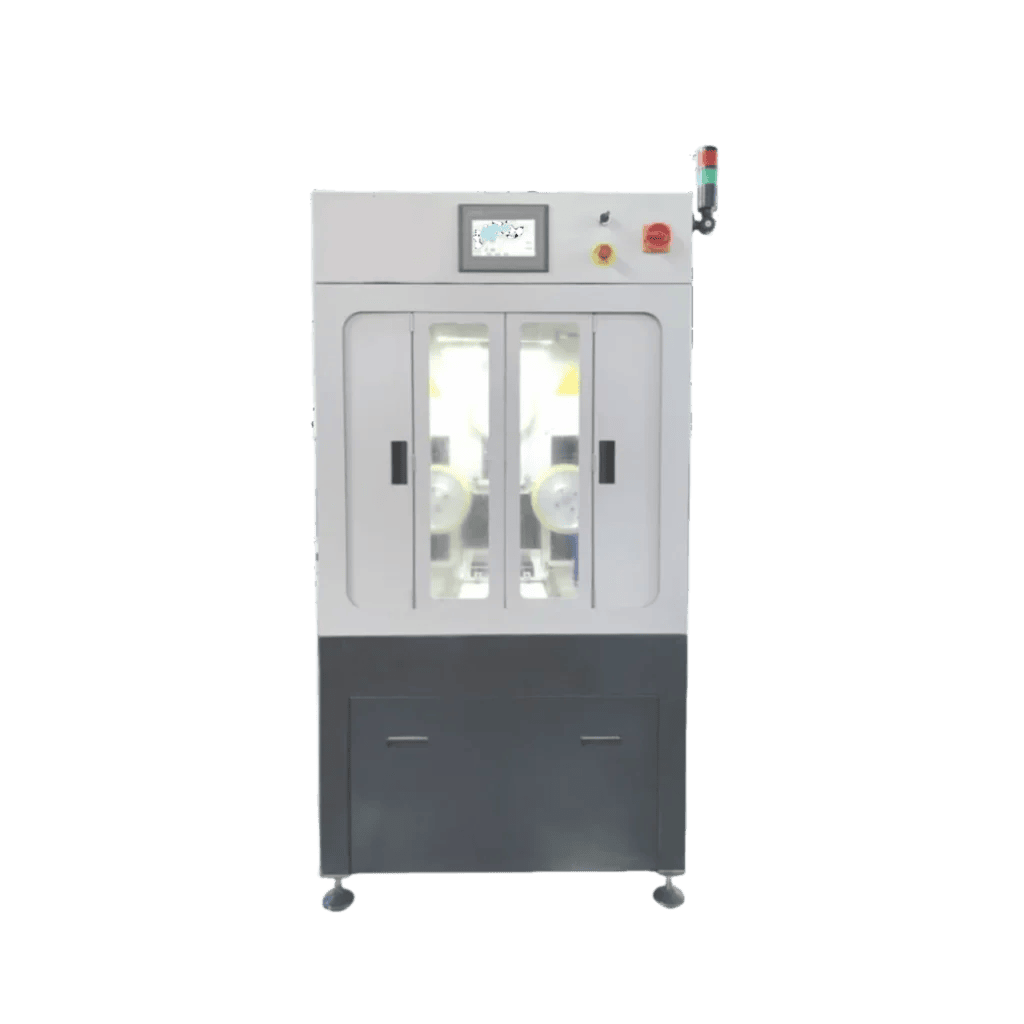
Mehrfachdicken-Schnitt
Mehrere Dicken in einem Programm, 0,4 mm Schnittfuge, 400 × 400 mm Tisch.
Maschine ansehen →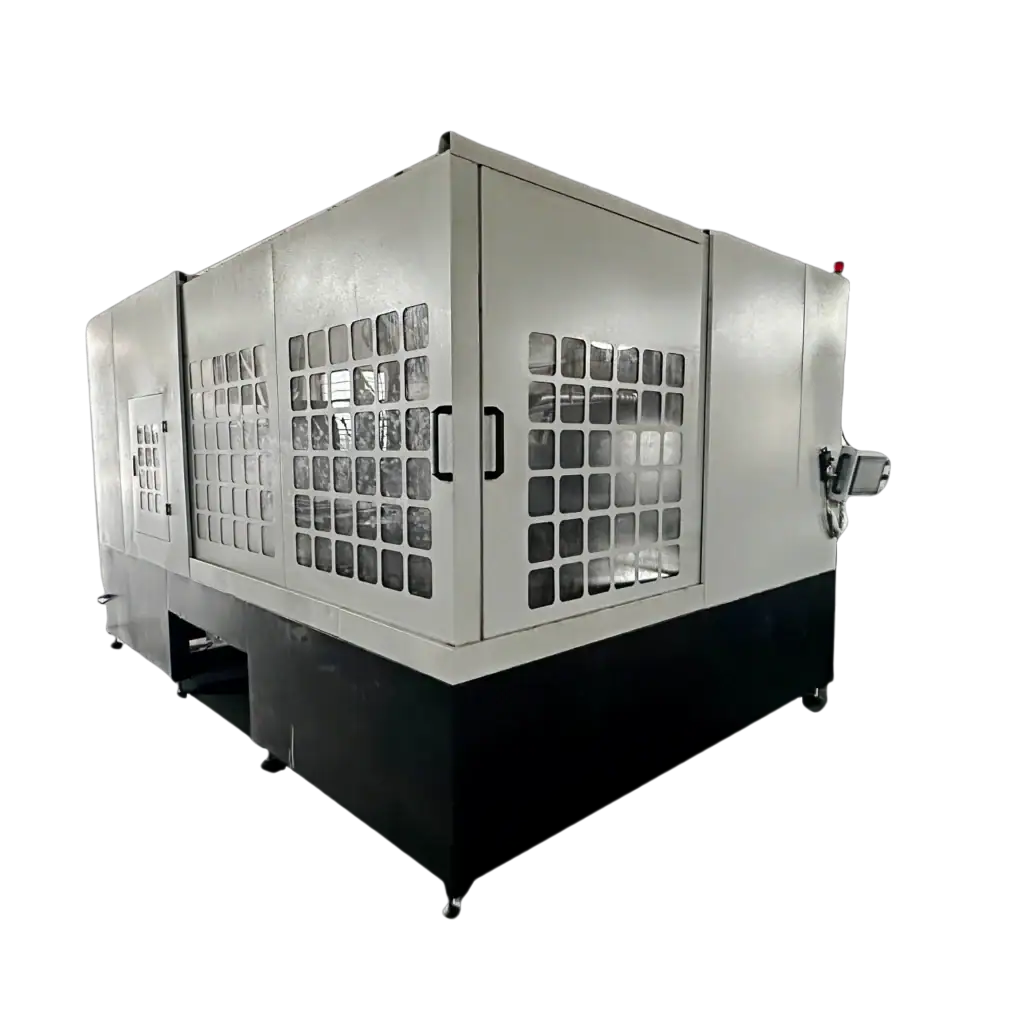
Zuschneiden großer Barren
Rotationszuschnitt von Barren bis Ø2000 mm, Höhe 500 mm.
Maschine ansehen →CNC-Kurzengenerator
Pfeilhöhenmessung, Kompensation, automatisches Wenden und Werkzeugabrichten. Auto-SG-50: Ø10–55 mm; Auto-SG-80C: Ø5–80 mm.
Maschine ansehen →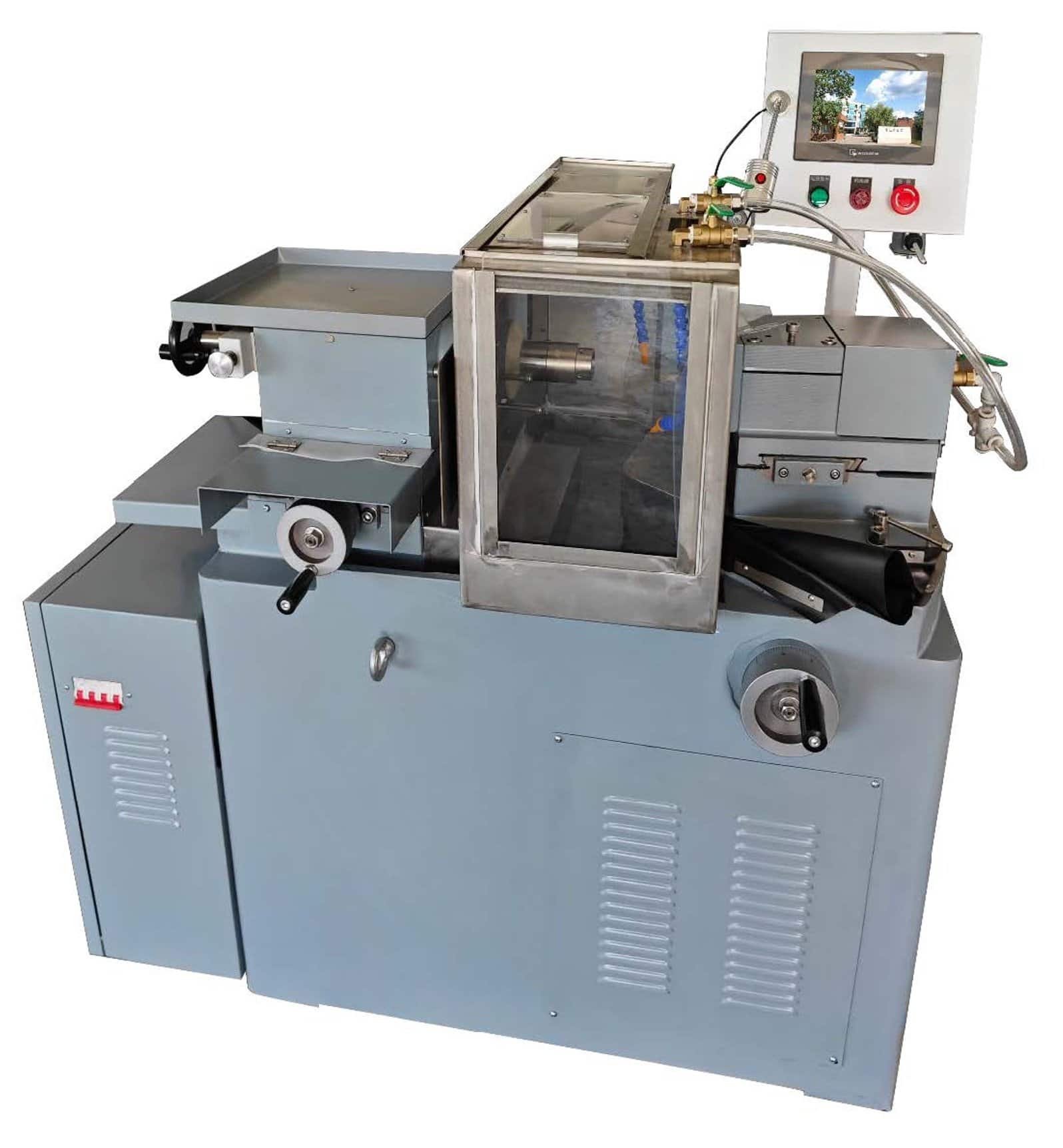
Schleifen von IR-Optiken
Konvex, konkav und flach auf einer Spindel. Ø10–250 mm, ±0,005 mm Form.
Maschine ansehen →4-Spindel-Polieren
FP-4U: konkav, R1–R20, 450–3.000 U/min. FP-4L: konvex, ±R1.5–R50, 200–3.000 U/min. Vier Spindeln auf jedem Modell.
Maschine ansehen →Automatische Profilkantenmaschine
Ø5–80 mm, Rundlauf ≤0,006 mm beide Achsen, ab 15 s pro Teil, Vakuumzuführung.
Maschine ansehen →Inspektion & Sortierung
AOI-20: Dicken-Sortierung von Flachteilen, ±0,2 µm Sonden-Spezifikation, ≥2.000 Stück/h. LI-20: Inspektion von gekrümmten Linsen, ±0,0015 mm Wiederholgenauigkeit, 2 s Zyklus.
Maschine ansehen →Wählen Sie ein Modell nach Prozess
Vergleichen Sie die aktuelle Baureihe unten. Die ausgewählte Auswahl ist ein Ausgangspunkt; diese Links halten die gesamte Maschinenpalette in Reichweite.
Schneiden & Sägen
Formgebung & Schleifen
- Zylinderschleifmaschine CG-140
- Vertikale Linsenbearbeitungsmaschine Auto-SG-20W
- Integrierte Linsenbearbeitungsmaschine Auto-SG-50VT
- Tray-beschickter Linsengenerator Auto-SG-80T
- Großer Linsenformer SG-120
- Kleine Linsenbearbeitungsmaschine Auto-SG-20V
- Sphärischer Linsenformer SG-80
- CNC-Optik-Kurzengenerator Auto-SG-50
- Glasbohrschleifmaschine BG-50
- G-250
- G-100
Feinschleifen & Polieren
Schleifen
Inspektion
Beschickung & Automatisierung
Benötigen Sie Glockenspann-Zentrierung oder eine koordinierte Linie? Fragen Sie nach C-120L / C-185L und den Schnittstellen zwischen Schneiden, Formgebung, Fertigstellung und Inspektion.
Welches Material verarbeiten Sie?
Das Material bestimmt den Weg durch die Linie mehr als die Teilgröße und bestimmt, welche Ausrüstung zur Herstellung von optischen Linsen in jedem Schritt benötigt wird.
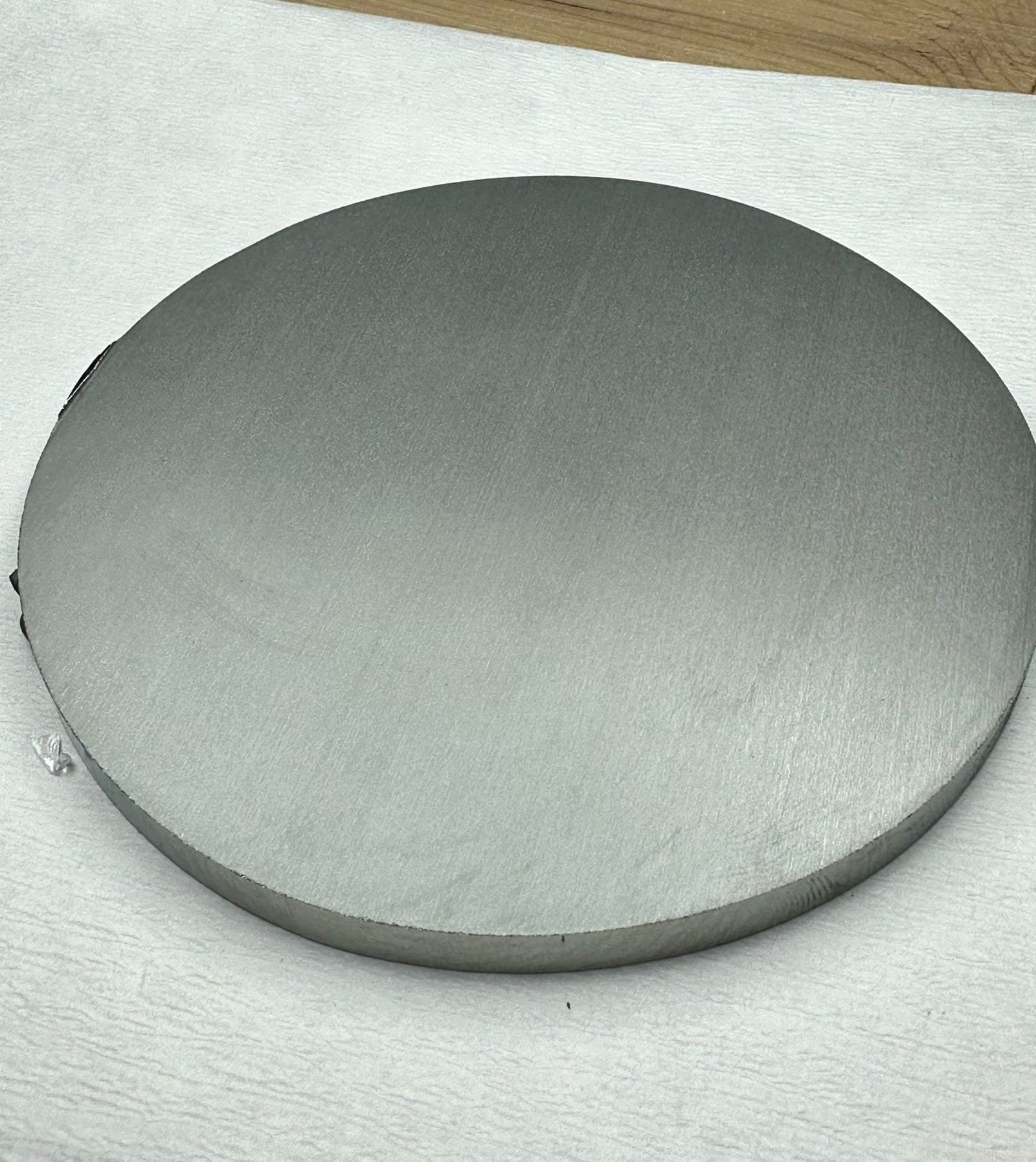 GermaniumWärmebildtechnik · Nachtsicht
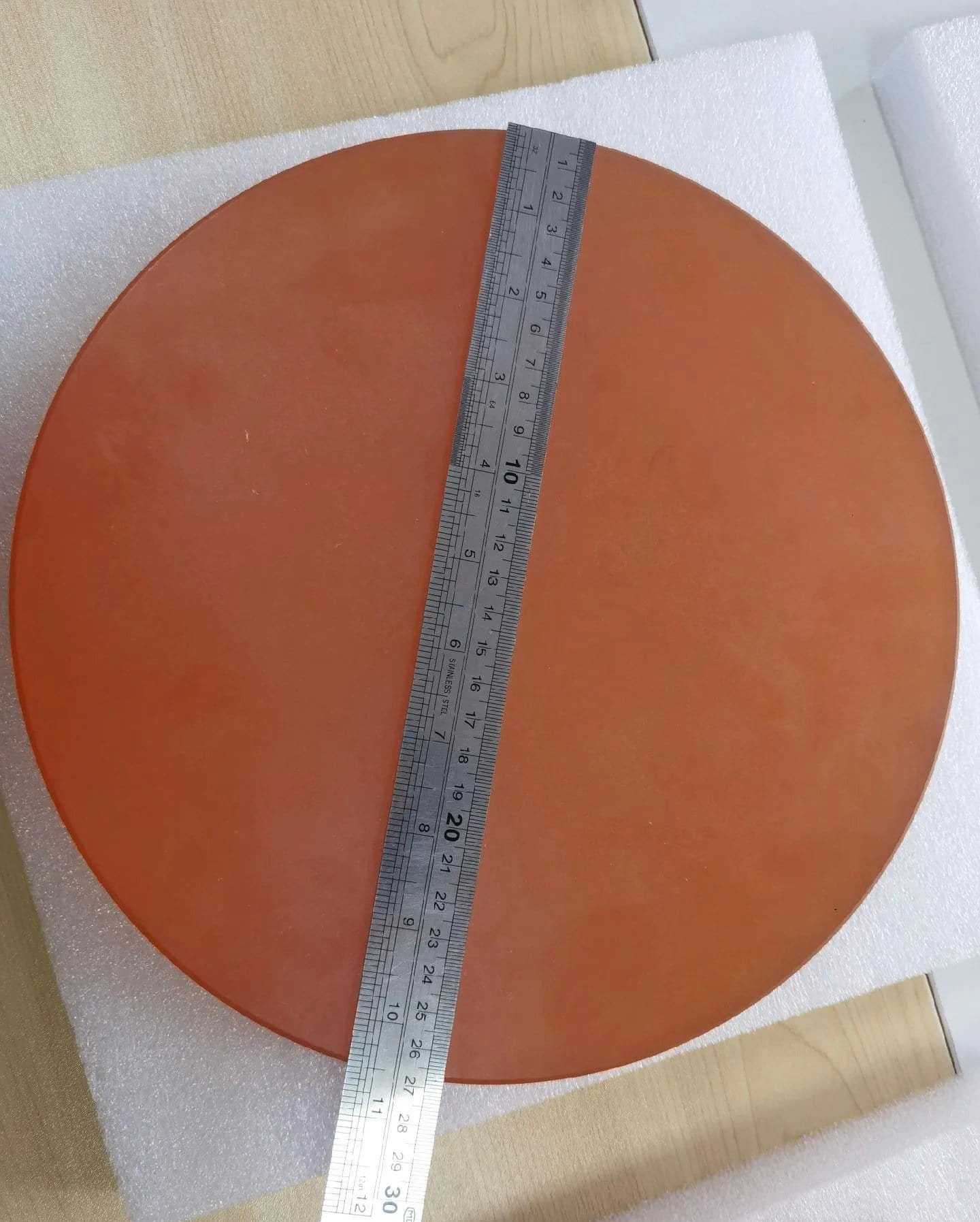 ZnSe / ZnSCO₂-Laseroptiken · IR-Fenster
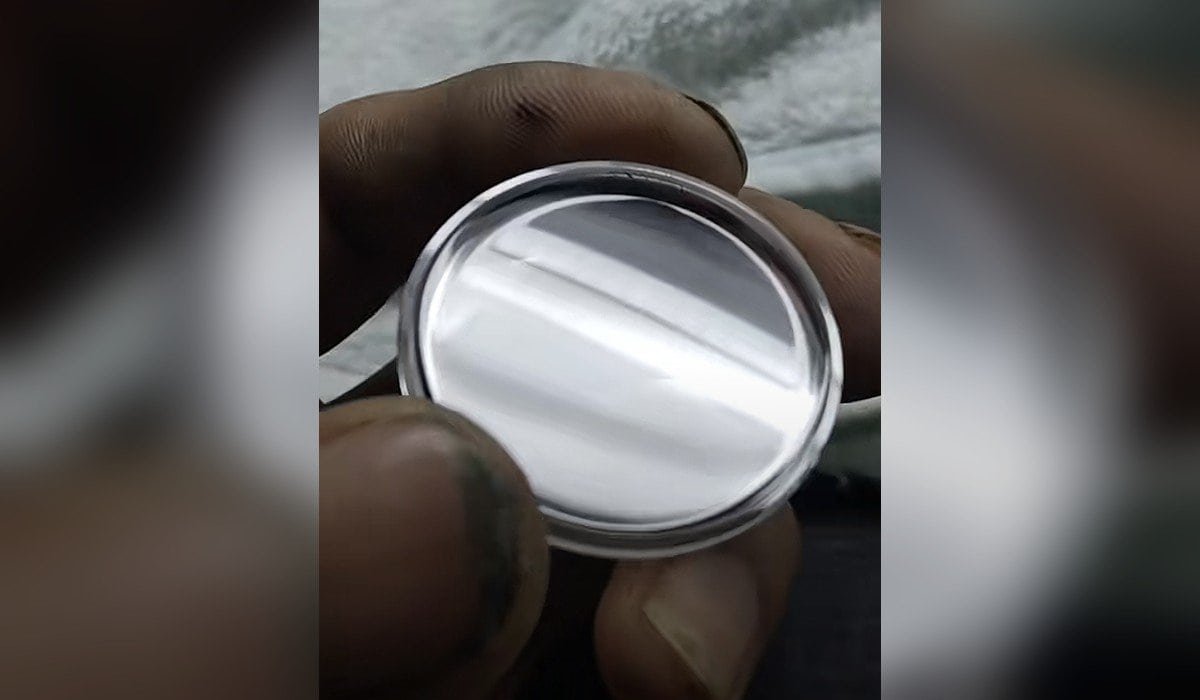 SaphirUhrenglas · Kameralinsen
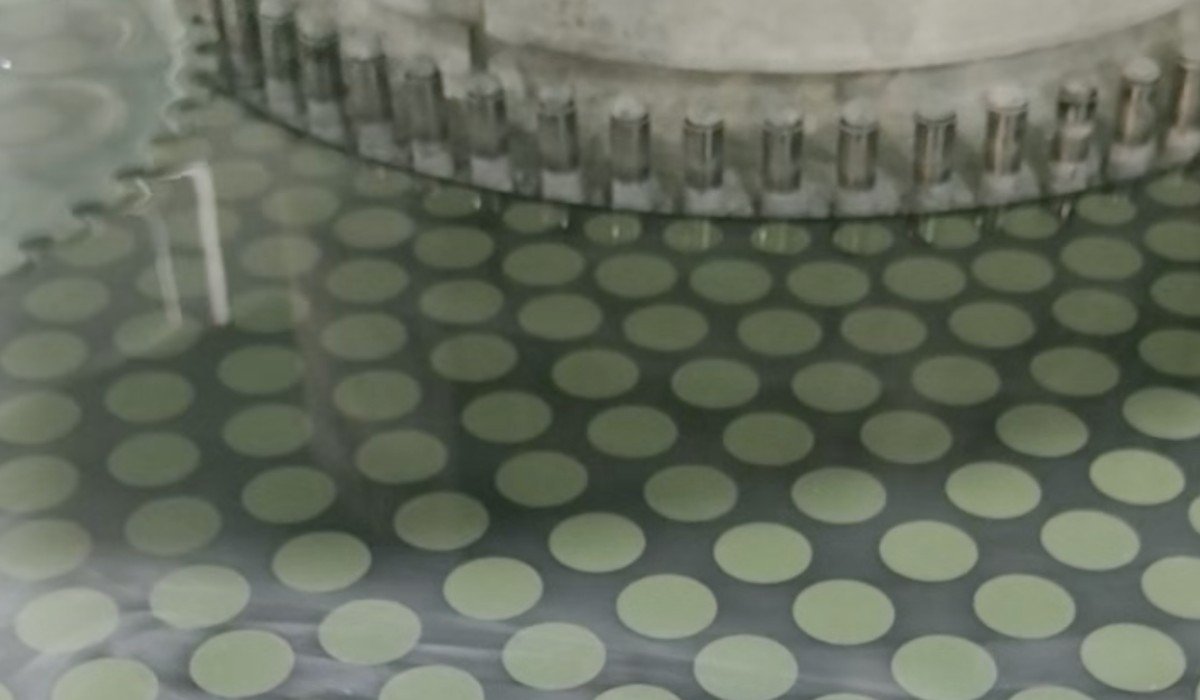 SiliziumWafer · Substrate
| Material | Sägen | Generieren | Polieren | Schleifen | Beidseitig | Wohin als Nächstes |
|---|---|---|---|---|---|---|
| Germanium | ● | ● | ● | ○ | — | Germanium-Ausrüstung |
| ZnSe / ZnS | ● | ● | ● | ○ | — | IR optics equipment |
| Silizium | ● | ○ | ● | — | ● | Double-side lapping |
| Saphir | ● | ● | ● | ● | ● | Sapphire machines |
| Quarz | ● | ● | ● | ● | ● | Quartz machines |
| Optical glass | ● | ● | ● | ● | ● | Optical glass machines |
| Technische Keramik | ● | ● | ● | ● | ● | Ceramic machines |
Hardness, cleavage and thermal behaviour set wire speed, wheel grit and slurry choice — which is why we ask for the material before quoting. Published data we work from: Crystran germanium · Zinkselenid. Background on the sequence: lens manufacturing process · optical lens materials.
From lens blanks to precision optical components
Manufacturers, research laboratories and optical suppliers work with different geometries and production volumes. These established cutting applications remain part of our wider optical-processing range.
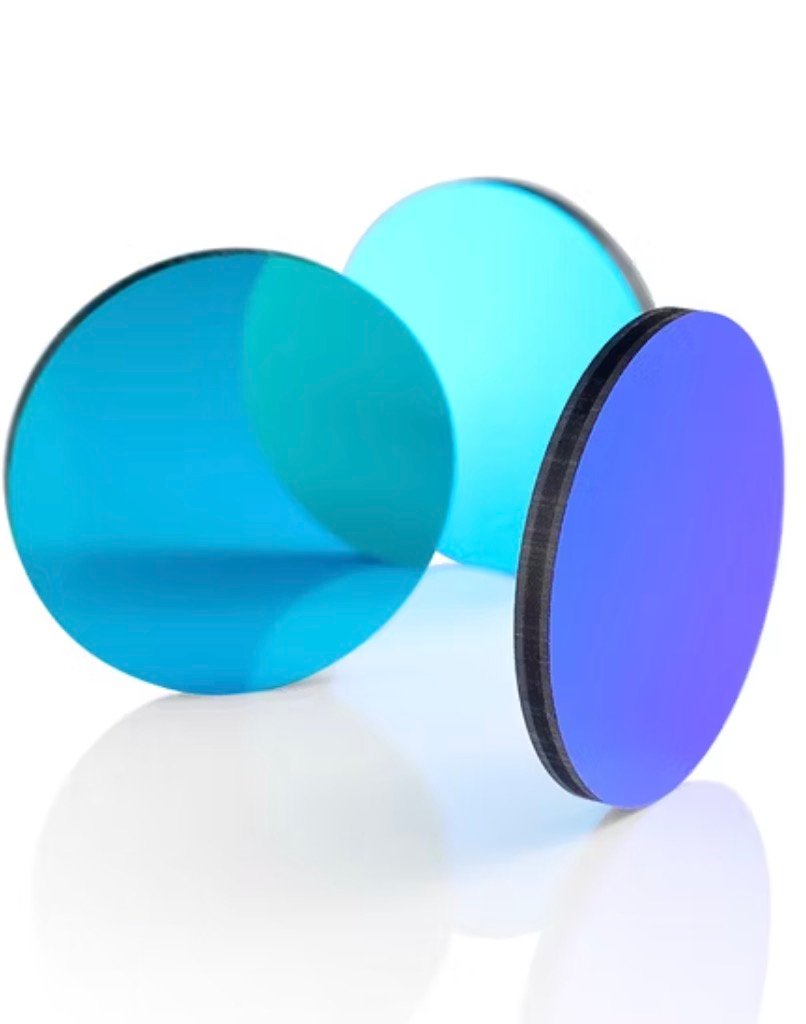
Lens windows and optical filters
Prepare thin optical-filter and window blanks with cutting parameters selected for edge integrity and downstream finishing.
Explore equipment →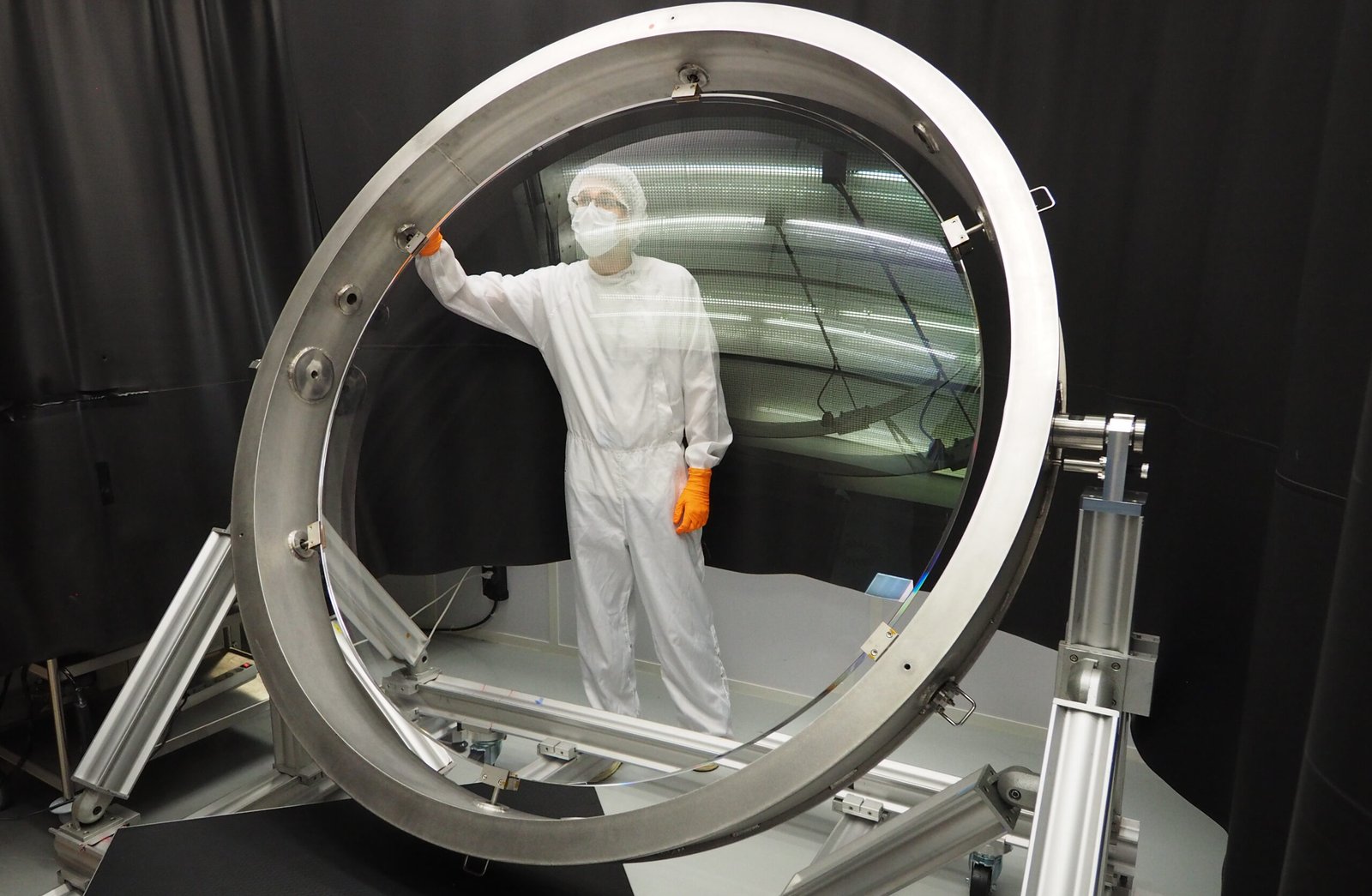
Astronomical optics blanks
Pre-cut thick optical-glass substrates for telescope and observatory components.
Explore equipment →
Infrared imaging optics
Process germanium blanks for thermal imaging lenses, infrared sensors and related optical systems.
Explore equipment →
Sapphire and optical crystals
Cut hard optical crystals for windows, laser components and precision parts, with allowances matched to grinding and polishing.
Explore equipment →
Quartz rods and light guides
Slice quartz blocks and rods for light guides and other optical components, with workholding suited to the geometry.
Explore equipment →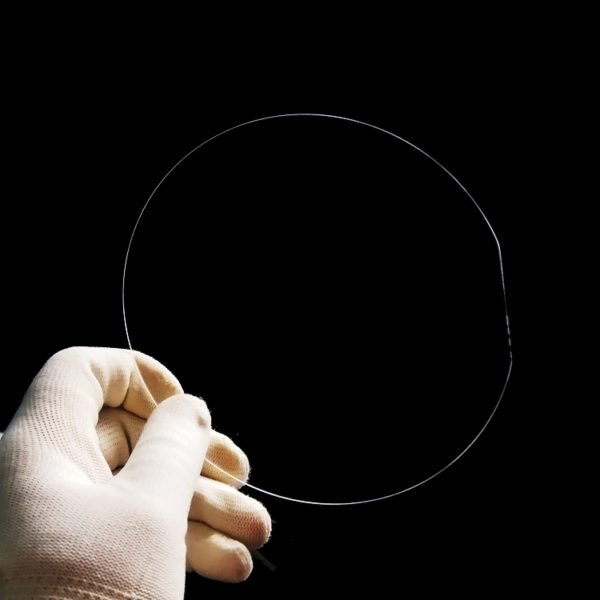
Thin sapphire wafers
Prepare thin sapphire substrates for sensor covers, optical windows and subsequent lapping or polishing.
Explore equipment →
Prisms and beam splitters
Cut optical-grade glass, BK7 and fused silica for prisms, beam splitters and retroreflectors.
Explore equipment →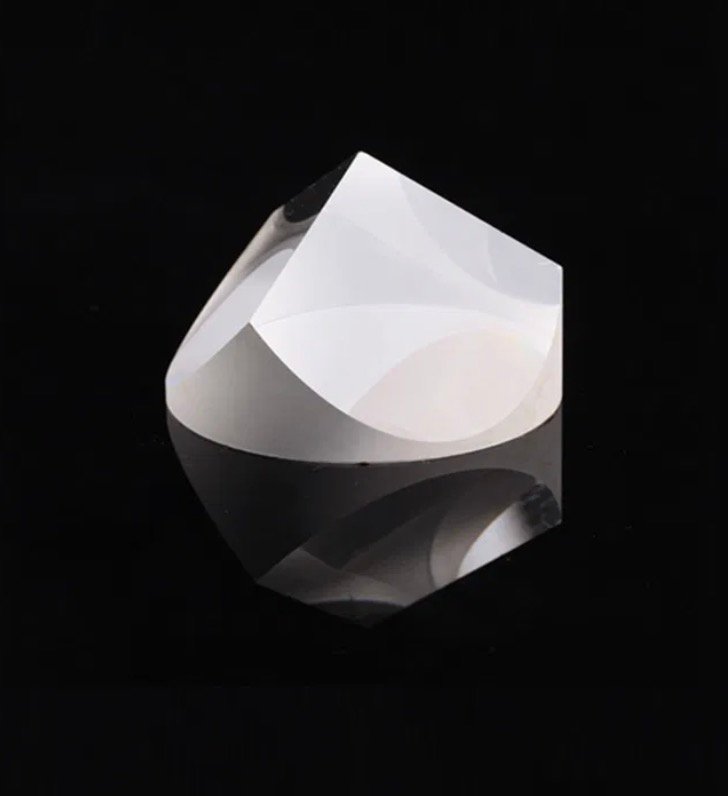
Angled optical windows
Produce angular blanks and bevelled shapes for precision windows and technical optical assemblies.
Explore equipment →Why the cutting step still matters
Preserving material and controlling the blank geometry makes the rest of the process easier. Our optical glass cutting machines use an endless diamond-wire loop for low-force slicing and contour work.
- Edge quality and surface finishSet feed, wire speed and support to control edge chipping and leave a manageable finishing allowance.
- Material yield and low cutting forceA narrow wire kerf reduces material loss; a continuous loop supports low-force cutting of valuable optical stock.
- Thin and hard-material capabilityChoose the wire, fixture and coolant for sapphire, quartz and other brittle materials. Validate delicate parts with a sample cut.
- Controlled production conditionsPlan coolant handling and debris collection around the production environment, including any clean-area requirements.
Why buy the whole line from one optical lens manufacturing equipment maker?
Six machines from six suppliers can each hit their tolerance and still need six operators — and when a part comes out wrong, nobody owns the problem.
- Measurement built into the processThe Auto-SG-50 combines on-machine sagitta measurement with five-stage servo infeed and automatic compensation. Inspection requirements are matched to the selected model.
- Handling matched to the workpieceTray feeding, basket loading and stacking reduce manual transfer where the part geometry and fixtures allow it. We define the hand-off between stations when specifying a line.
- One equipment partner, from blank to lensCutting, generating, finishing and inspection are considered together, so stock allowance, fixtures and output from one stage suit the next.
- Equipment expertise for optical manufacturersWe supply optical lens manufacturing equipment and help your team select machines, tooling and process routes for its own production.
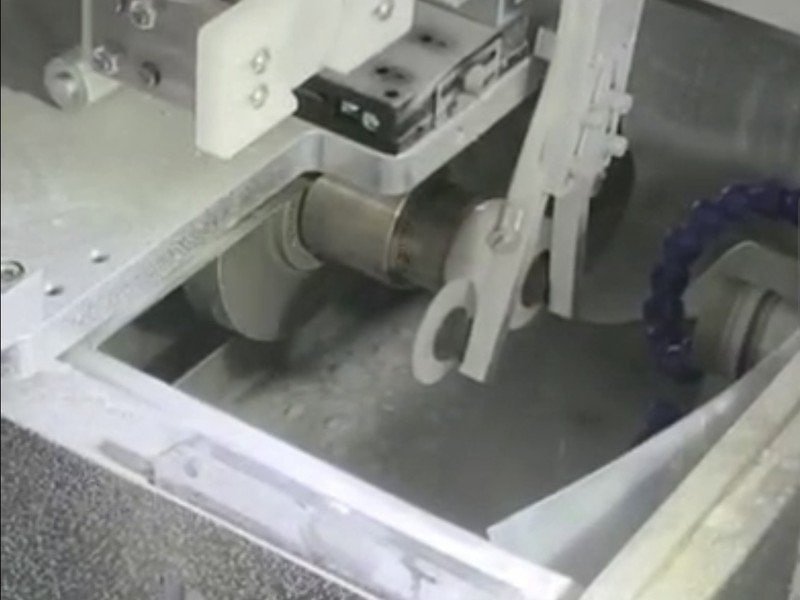
Our edgers are for precision optical and technical components. They are not architectural or mirror glass edgers, and not ophthalmic Rx lab edgers for spectacle lenses. If that is what you need, we are the wrong supplier and will say so before you send a drawing.
Send one drawing — we will lay out the line
Tell us the part, the material and the annual quantity. We come back with the process route, the optical lens manufacturing equipment at each step, cycle times, the operator count and a price for the line rather than for a machine.
- Schicken a drawing, the material and the annual quantity
- We reply with the process route and the machine at each step
- Kostenlose Musterschneidung on your own material before you commit
- We ship, install and train — then support the line, not just the box
Written for the engineer specifying the process
Application notes on the problems that show up between the steps, not product brochures.
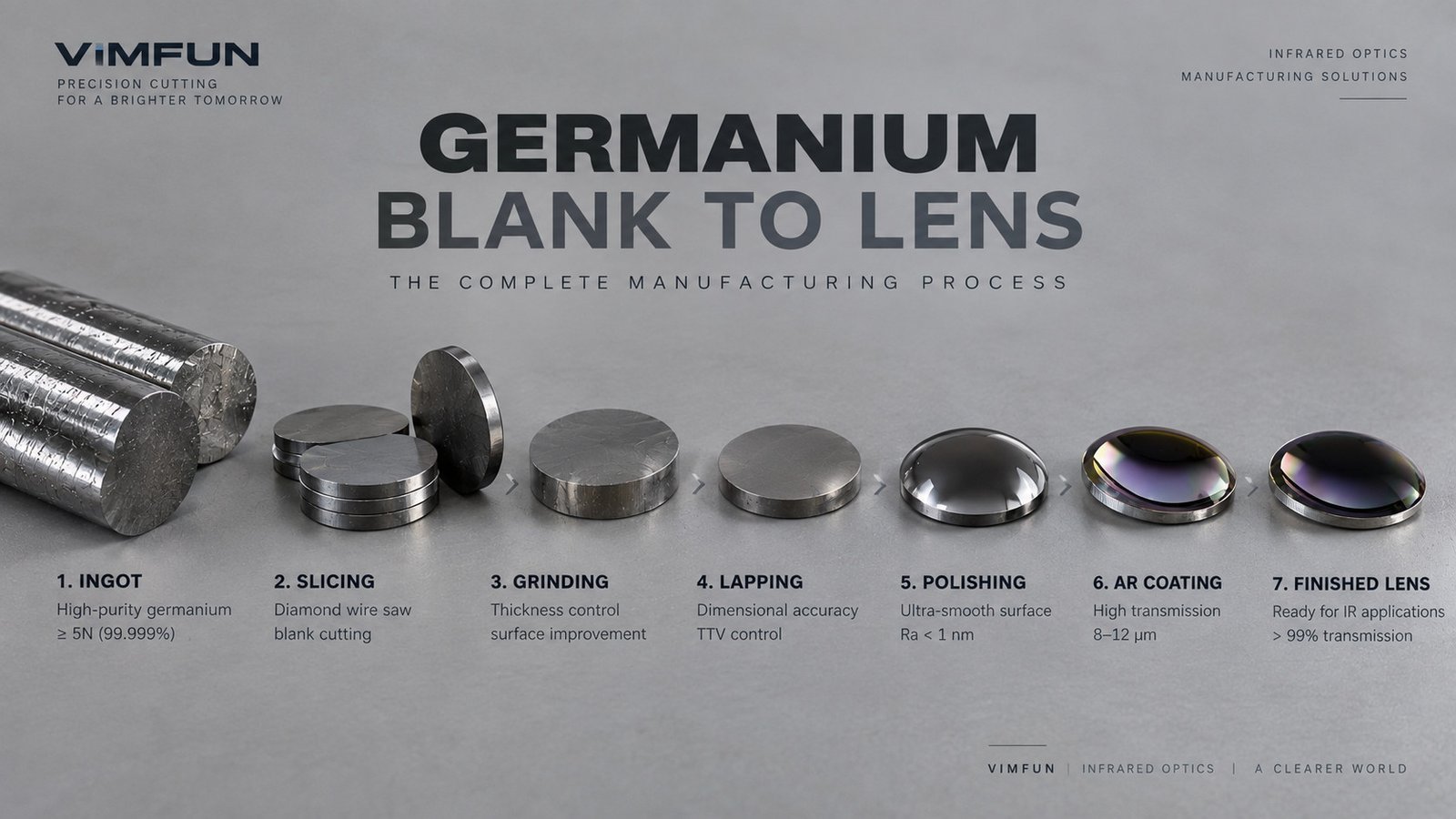
Subsurface damage in optical lens grinding
How deep the damage layer runs after each step, and how much stock the next step has to remove to clear it.
Read more →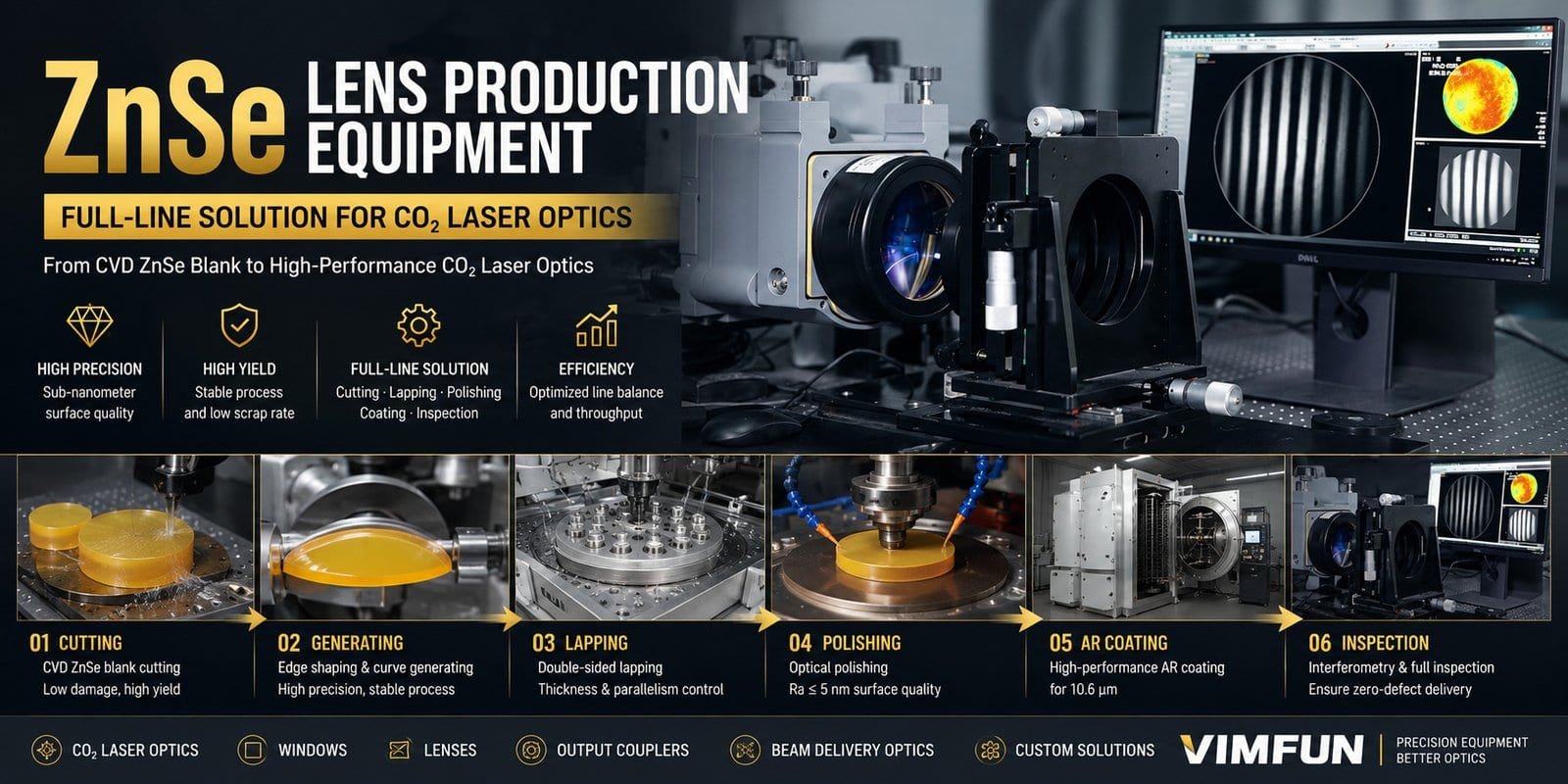
ZnSe lens production: full-line selection guide
Choosing the machines for a CO₂ laser optics line, step by step, with the trade-offs at each one.
Read more →Germanium lens surface finish: process and measurement
How polishing, measurement and acceptance criteria affect the final surface. Confirm the required finish with a material-specific process trial.
Read more →