It’s easy to cut through glass cleanly. A smooth curve is much harder to do. That’s when you really see if a cutting machine for glass is good. Once a cutting head turns, guide systems, control and material flex are all important.
This article is about path smoothing for a glass cutting machine. It shows the difference between a basic curve cutter and a good curve cutter. It comprises control and price guide systems.
What Is a Cutting Machine for Glass?
A cutting machine for glass is a machine used to cut glass sheets into a required shape. It can score, shatter or laser the glass. It can be performed manually, by a computer program or by a laser system.
Scoring devices use a hard wheel to put a score into the glass. Then the sheet is torn on that line. Laser tools use hot light, not a blade. Both want the same thing: a clean line that follows the form.
| Feature | Manual Cutter | CNC Cutter | Laser Cutter |
| Control method | Hand-guided | Computer program | Computer-guided beam |
| Curve accuracy | Low to moderate | High | Very high |
| Best for | Simple shapes | Repeated curved parts | Fine, small detail |
Glass bends very little before it breaks. A route that’s fine on plastic can shatter glass if the pressure or angle is wrong. That is why curves need more control of the guide than straight lines.
What Makes Curved Cutting Work Well?
Curved cutting works best when the guide system and the control remain steady through each turn. A straight line only requires 1 direction. The machine has to keep changing a curve.
The first main part is guide systems that follow curved paths. Manual cutting machine for glass have a template or arm which the worker follows by hand. The CNC machine is programmed to the path point by point. They don’t need steady hands to do it right.
The amount of control you get each turn is just as important. Every time the head turns the speed and pressure must change in unison. A machine that slows down evenly on a sharp bend makes a cleaner edge than one that stays at a fixed speed.
Flex counts more on curves than straight lines. The reason is:
- The path keeps changing so pressure must change straight away
- Sharp turns necessitate slower and more careful movement
- Thicker glass resists more on turns than thin glass
- A rigid, inflexible head is troubled when the line is no longer straight
CNC Systems: Precision Through Programming
A CNC glass cutter maintains its precision through curves a hand tool cannot match. The program defines the pressure and the direction at every point. This means that the same curve repeats itself in exactly the same way every time.
The biggest plus here is repeat accuracy. A batch of curved panels can come out almost the same. This is important for making glass, or car glass. Every piece must fit into the same frame.
If you are considering a cnc glass cutting machine for sale supplier, ask these questions first:
- What is the smallest curve it can cut cleanly?
- How does it speed up and slow down itself around turns?
- What thickness of glass can it work on?
- Do they give sample cuts before you buy?
Many buyers start their search for a cnc glass cutting machine price for sale online. Then they reduce the list by comparing the accuracy and support for the curves.
Laser Cutting Glass: A Different Approach
The CNC laser cutting machine for glass uses a beam of light instead of a blade. That’s heat. Not pressure. It changes how it handles fine curves. The laser tool can follow very tight curves and fine detail that a scoring wheel cannot reach. No blade touches the glass so delicate edges chip less often.
But laser cutting isn’t always the best option. On normal glass with simple shapes it’s still faster and cheaper. Laser is great for fine small curves where edge quality is more important than speed. Thick glass is the limit of the laser. If it’s too thick the laser will require more passes or more power. This slows down the work and creates heat stress on the glass.
Manual Cutting: What It Can Still Do
You can still use a manual glass cutter for simple shapes, small jobs and repairs. These tools follow a curve using a hand-guided wheel or template. To the movement, there is no program.
Templates help keep the line straight. But the hand and eye of the worker still determine the final product. The main limitation here is skill:
- The curve accuracy is very much dependent upon the skill of the worker.
- The batch size increases and results are less stable
- Tight or curly curves are harder to control by hand
Hand cutting still has its place for small jobs, on-site repairs and simple curves. In those cases a full CNC setup might be a bit more than the job needs.
Industrial Machines vs Smaller Systems
The industrial glass cutting machine is designed for high production and long runs. Smaller shop machines are built for lighter, occasional use. The principal gap is scale, in terms of speed and uptime. A small CNC machine is as good as an industrial one for one part. Industrial cutting machine for glass, however, maintain this accuracy for thousands of cuts without needing frequent resetting.
| Machine Type | Curve Capability | Precision | Best Use |
| Manual | Basic to moderate | Depends on worker | Repairs, small shops |
| CNC (shop-grade) | High | Steady | Small to mid production |
| Laser | Very high, fine detail | Very high | Fine, detailed shapes |
| Industrial CNC/Laser | High at volume | Steady at scale | Non-stop production |
“Match machine to your real output requirements. This can help you to not overspend. A busy daily production line needs the speed of output that a small shop seldom requires.
What Affects the Price?
The price of a glass cutting machine depends mainly on the guide system, the control software and cutting head. There are no automated parts built in, so it is much cheaper to have a simple manual tool than a CNC or laser machine.
There are a few things that will make the price go up or down:
- Laser heads are usually more expensive than plain scoring heads
- Larger glass sheets require bigger beds, raising the base price.
- Cost increased by sophisticated curve control software
- Final quote may include training and service plans
When you compare prices for CNC glass-cutting machines, also factor in new versus used equipment. Older cutting machine for glass may not be able to achieve the tight-curve accuracy of newer models.
How to Choose the Right Machine
The best glass cutting machine is that which fits your curve needs, your output and your budget. There are more machines with longer spec lists. Buying too much is a waste of money. Buying too little wastes glass and rework.”
Simple, elegant curves don’t require laser-sharp precision. Tight turns or fine patterns are often a problem since scoring wheels don’t do very good at very small turns.
Before you buy, ask any supplier these questions:
- Will it cut the smallest curve we need for our designs?
- How thick glass can be cut in a single pass?
- What maintenance and resets does it need over time?
- Can we see sample cuts before purchase?
A real sample cut shows chip rate, edge quality and curve accuracy much better than a spec sheet ever can.
Frequently Asked Questions
- Do CNC glass cutting machines cut tight curves accurately?
CNC glass cutting machines are good at cutting tight curves. This is because there is a pre-programmed speed and pressure control at each point on the shape. This gives a steady head through turns that would jerk a hand tool.
- What’s the difference between scoring and laser cutting glass?
Laser cutting uses heat to cut the glass . Scoring softens up the surface for a break with a hard wheel. The laser allows for finer detail. Simple shapes tend to be cheaper and quicker to score.
- What is the price of glass cutting machine?
The cutting machine for glass prices can go from a few thousand dollars for manual tools to well over $100,000 for large industrial CNC or laser systems. Price varies according to bed size, software and cutting head.
- Still can cut curved shapes with manual glass cutting?
Yes, you can still use a manual glass cutter for simple curves, small jobs and repairs. The harder the curve , or the larger the batch , the less reliable it becomes .
- What is the best choice for industrial glass manufacturing?
For industrial glass work, an industrial CNC or laser system is usually the best. It is accurate for large batches and does not need to be reset often.”
- Is different glass needed for curved cuts versus straight cuts?
No. Curved cuts usually do not require different glass from straight cuts. But the thickness and cooling process of the glass will influence the life of the curve. If the glass is not properly cooled, it can unexpectedly crack in the middle of a cut.
Conclusion
A good guide system and steady control through every turn are the keys to good curve cutting, not just the way you cut. Depending on curve complexity, output, and budget, both manual, CNC, and laser machines have their place.
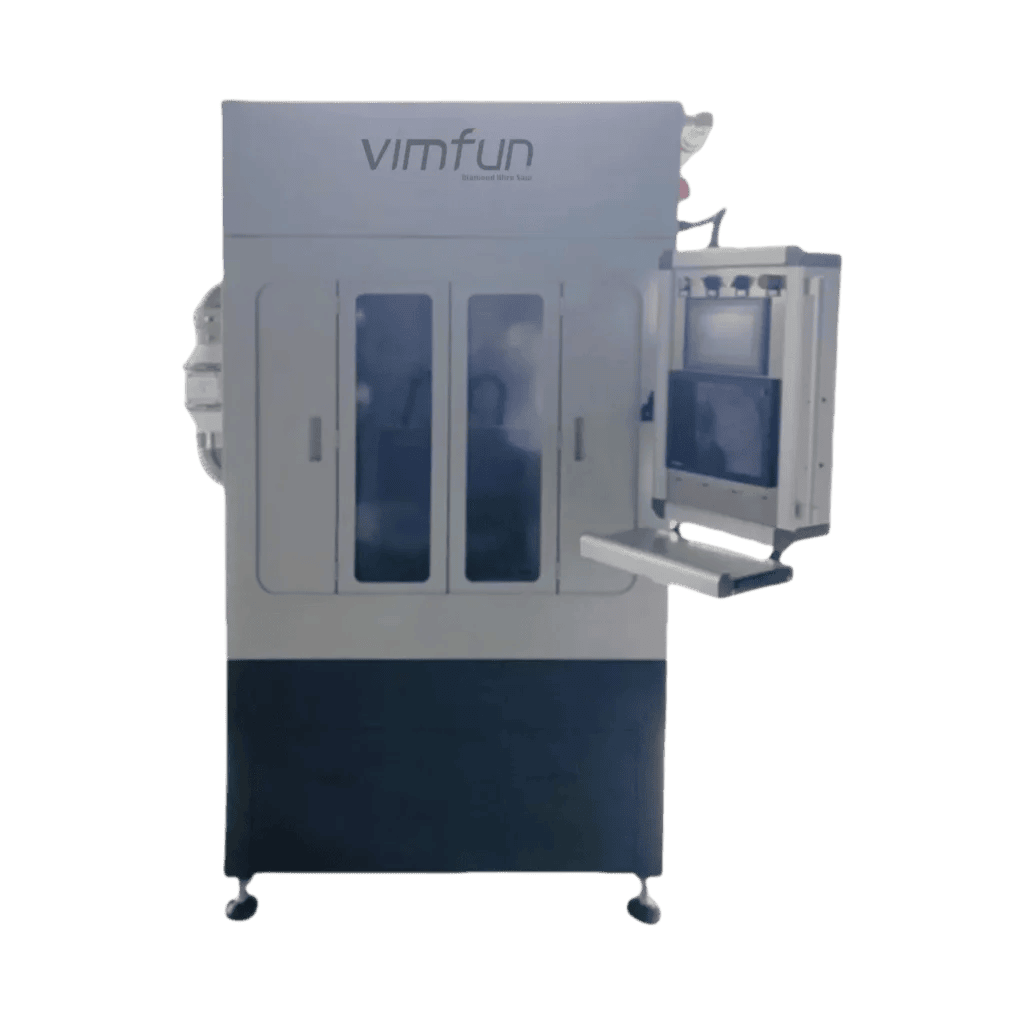
If you are shopping for a cutting machine for glass, it is worth checking out Vimfun for CNC and laser glass cutting gear built with curve accuracy in mind. They back it up with sample cut testing before you purchase so you can see actual results first.