
VIMFUN / KNOWLEDGE CENTER
Optical Manufacturing Knowledge Center
Practical guides to optical cutting, grinding, polishing and inspection—from material selection to process troubleshooting.
Browse by process or material
- Technical Articles
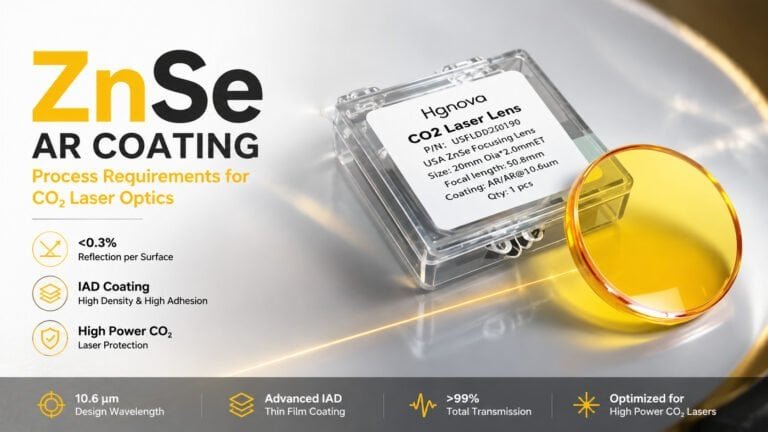
An uncoated ZnSe lens loses approximately 17% of incident light per surface to Fresnel reflection at 10.6 μm — the primary CO₂ laser wavelength. ZnSe AR coating reduces
- levy
- Technical Articles
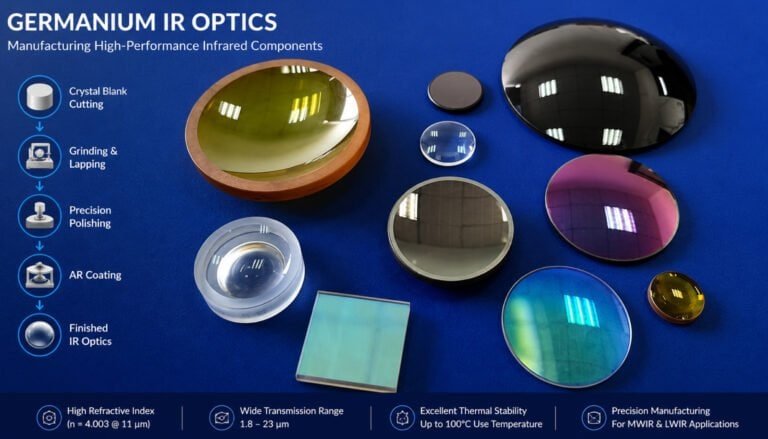
Germanium IR optics manufacturing is the end-to-end process of transforming raw germanium crystal ingots into precision infrared optical components — lenses, windows, prisms, and filters — that transmit
- levy
- Technical Articles
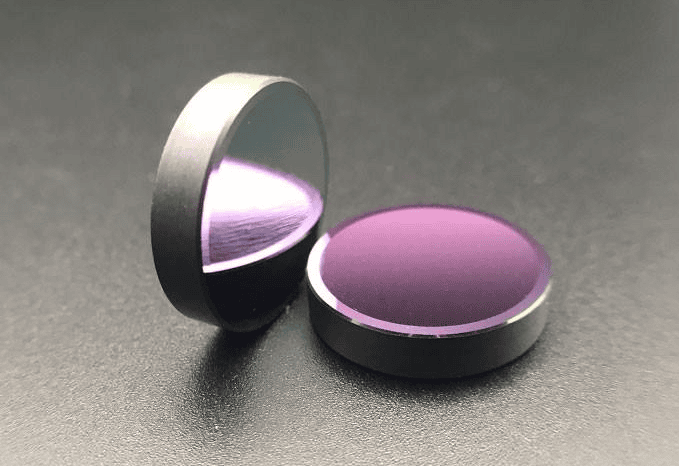
High purity germanium lens processing refers to the specialized cutting, grinding, polishing, and coating procedures required to manufacture infrared optical lenses from germanium crystal with purity levels of
- levy
- Technical Articles
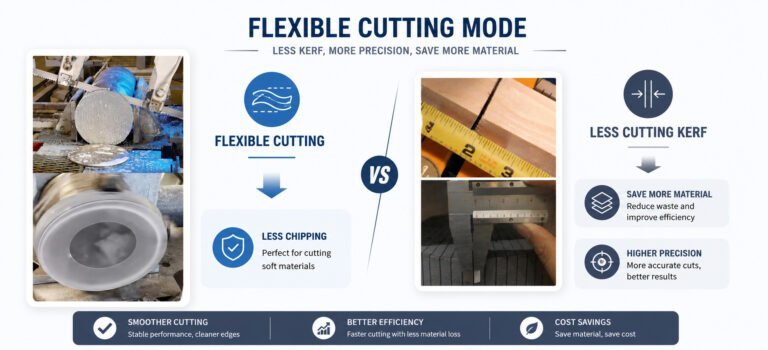
If you’re processing germanium for infrared optics, the cutting method you choose determines how much usable material you get from each ingot — and at $1,800–$2,400/kg for optical-grade
- Daria
- Technical Articles
A germanium lens can pass every upstream check — correct radius, right thickness, clean edges — and still get rejected at final inspection. The reason is almost always
- Daria
- Technical Articles
Every germanium lens starts as a cylindrical ingot, and the first real manufacturing decision — how you cut that ingot into blanks — sets the ceiling for everything
- Daria
- Technical Articles
A 50 mm germanium blank costs somewhere around $120–$180 at current market pricing. Cut it incorrectly — excessive kerf width, micro-cracks that propagate during grinding, or edge chipping
- Daria
- Technical Articles
Selecting the right glue is critical for achieving precision and maintaining optical quality when using the VIMFUN Optical Lens Cutting Tool, a ring-shaped diamond wire system designed for
- Daria
- Technical Articles
K9 glass, a high-quality optical material similar to BK7, is widely used in lenses and prisms due to its exceptional clarity and durability. Achieving precise, smooth cuts with
- Daria
- Technical Articles
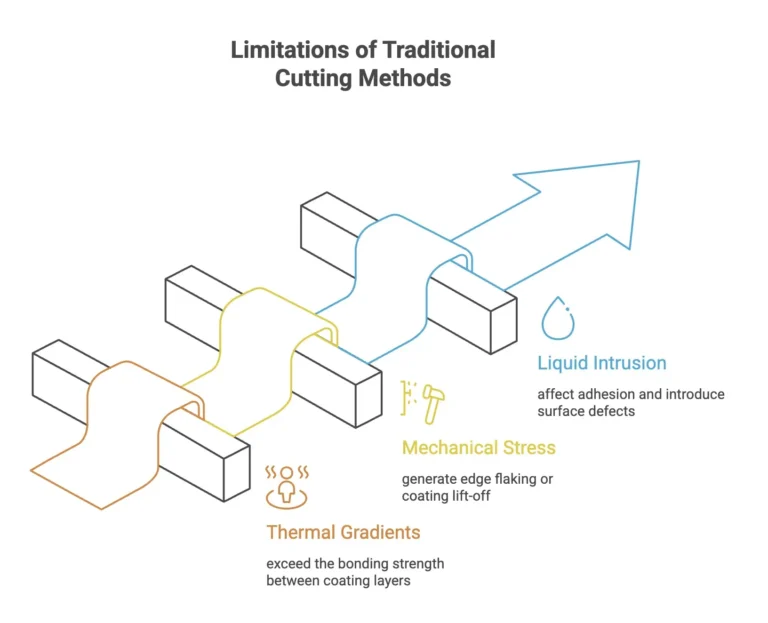
1. Industry Background: Increasing Demand for Coating Integrity With the rise of augmented reality, automotive sensing, and advanced imaging, multilayer coatings are now applied across a wide range
- Daria
- Technical Articles
Maintaining the VIMFUN Optical Lens Cutting Instrument, a ring-shaped diamond wire system designed for cutting K9 glass, germanium glass, and Schott glass (e.g., BK7), is essential to ensure
- Daria
- Technical Articles
1. Introduction: The Challenge of Cutting 3D‑Coated Optical Glass In modern optical manufacturing the demand for components with functional coatings on glass is growing rapidly. The process of
- Daria
Explore equipment by process
Move from a process question to the equipment options for your part.
Need help with your optical process?
Share your material, drawing and required output with our team.
Send a drawing