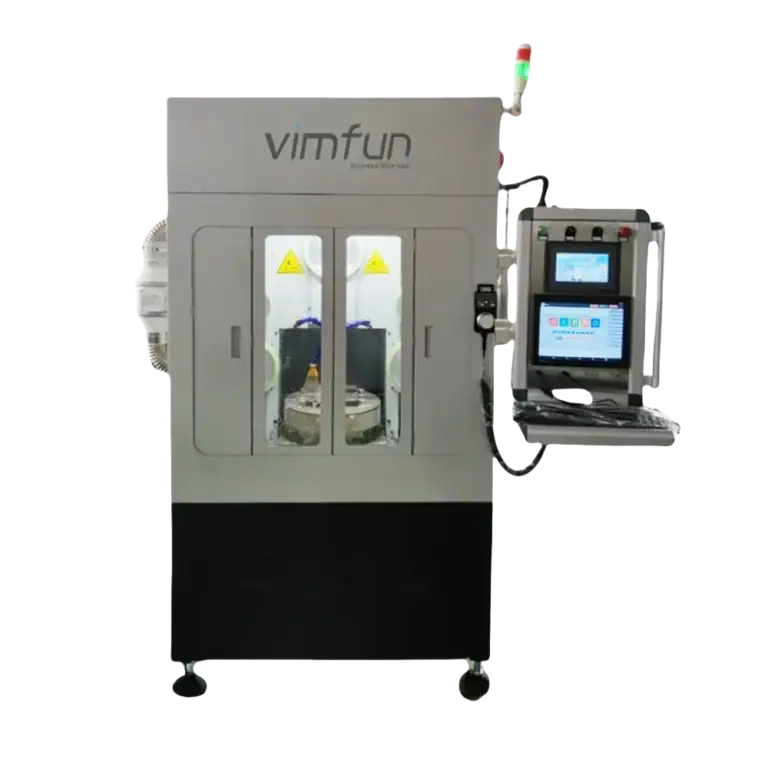
レンズ外周加工機
外径研削、輪郭成形、精密光学部品のエッジ加工用に光学レンズ外周加工機を選択してください。手動ロード式のEG-80とトレイ供給式のAuto-EG-80を比較し、さらに光学芯出しや別個のエッジ研磨ステーションが必要かどうかを判断してください。.
範囲を比較する図面について相談する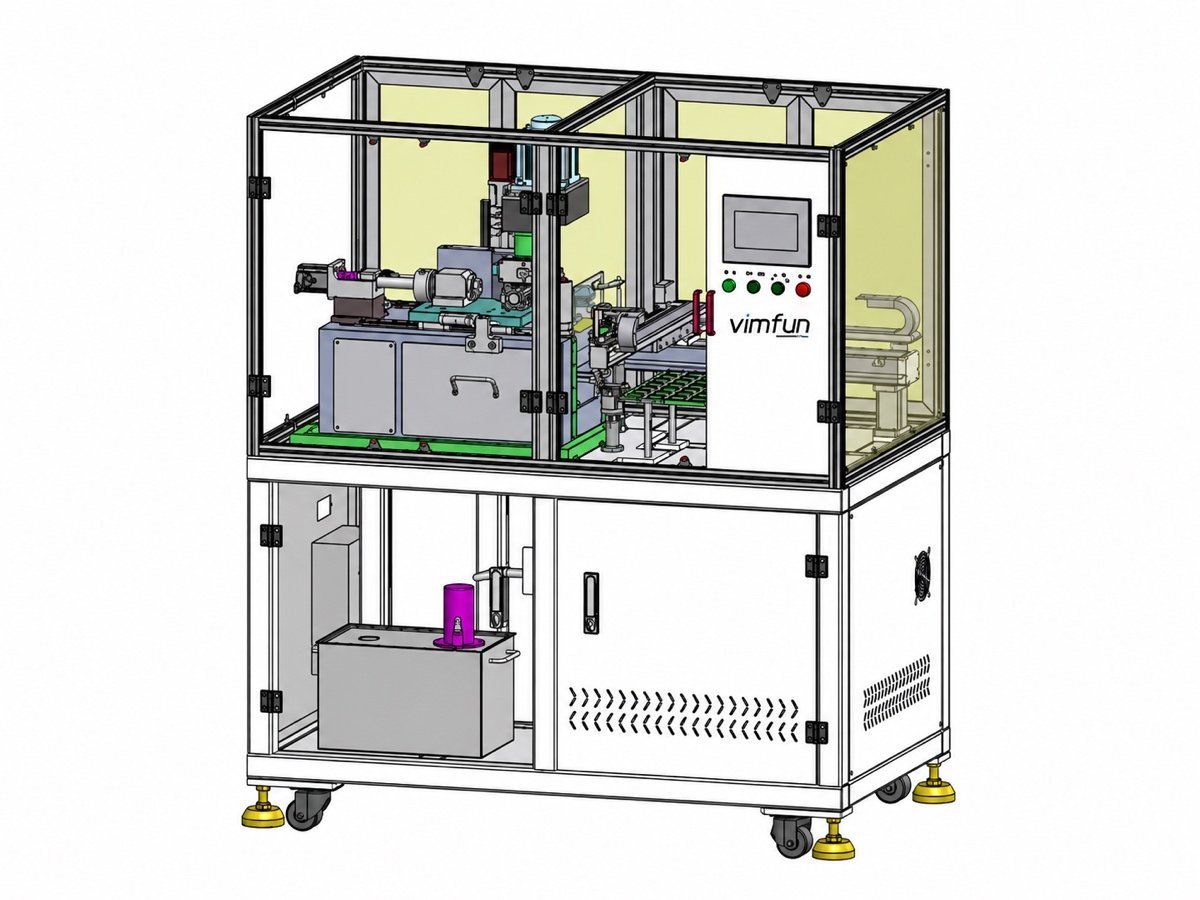
光学レンズ外周加工機の選定
外径研削、輪郭成形、精密光学部品のエッジ加工用に光学レンズ外周加工機を選択してください。手動ロード式のEG-80とトレイ供給式のAuto-EG-80を比較し、さらに光学芯出しや別個のエッジ研磨ステーションが必要かどうかを判断してください。.
要求される出力: 定義された外側輪郭とエッジの状態。必要に応じて光学芯出しは別途評価されます。機器選定全体を通して、受け入れるブランク、加工方法、および受け入れ基準を関連付けてください。.
形状、ハンドリング、ワークピース範囲を比較する
| マシンファミリー | 主なタスク | モデル固有の参照 |
|---|---|---|
| EG-80 | 手動ロードと輪郭コピー | Ø5–80 mm; サイクルタイム 18–40 秒 |
| Auto-EG-80 | 自動トレイハンドリング | Ø5–80 mm; サイクルタイム 15 秒から |
| EP-220C | 成形後の外周研磨 | Ø30–220 mm; 2D / 2.5D フラット部品 |
範囲は指定されたモデルに属します。トラベル、加工エンベロープ、および完成部品の寸法は異なる仕様です。図面に対してツーリングとワーク保持を確認してください。.
マシンファミリーとその実用的な違い
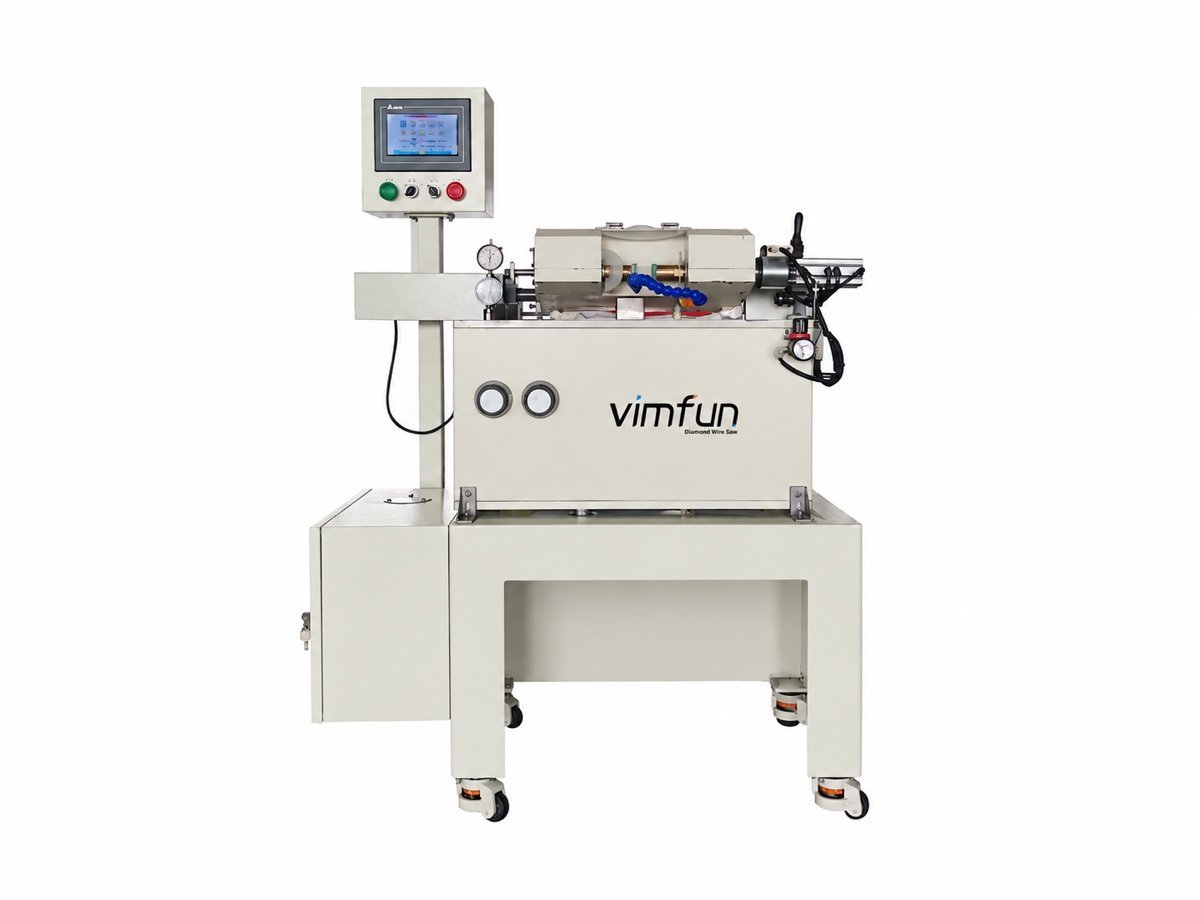
手動ロードと輪郭コピー
Ø5–80 mm; サイクルタイム 18–40 秒
手動ロード式マシンは、輪郭コピー機能を備えた粗研削と精密研削を提供します。オペレーターがロードを行い、部品の混合が自動トレイハンドリングを正当化しない用途に適しています。実際の部品輪郭を使用して、治具、基準テンプレート、およびホイール配置を比較してください。提示されたサイクルタイムには、生産セル内のすべてのロード、クリーニング、および検査タスクは含まれていません。.
仕様を見る →自動トレイハンドリング
Ø5–80 mm; サイクルタイム 15 秒から
自動ピックアンドプレイスにより、ブランクと完成品のトレイが接続されます。丸い部品は、輪郭テンプレートに従う成形部品とは異なるサイジングアプローチを使用します。公表されている 0.01 mm の送り精度と ≤0.006 mm のデュアル軸ランアウトは、異なる機械特性を表しており、どちらも完成レンズの偏心を普遍的に保証するものとして提示されるべきではありません。合意された完成部品の検査方法に対してこれらを評価してください。.
仕様を見る →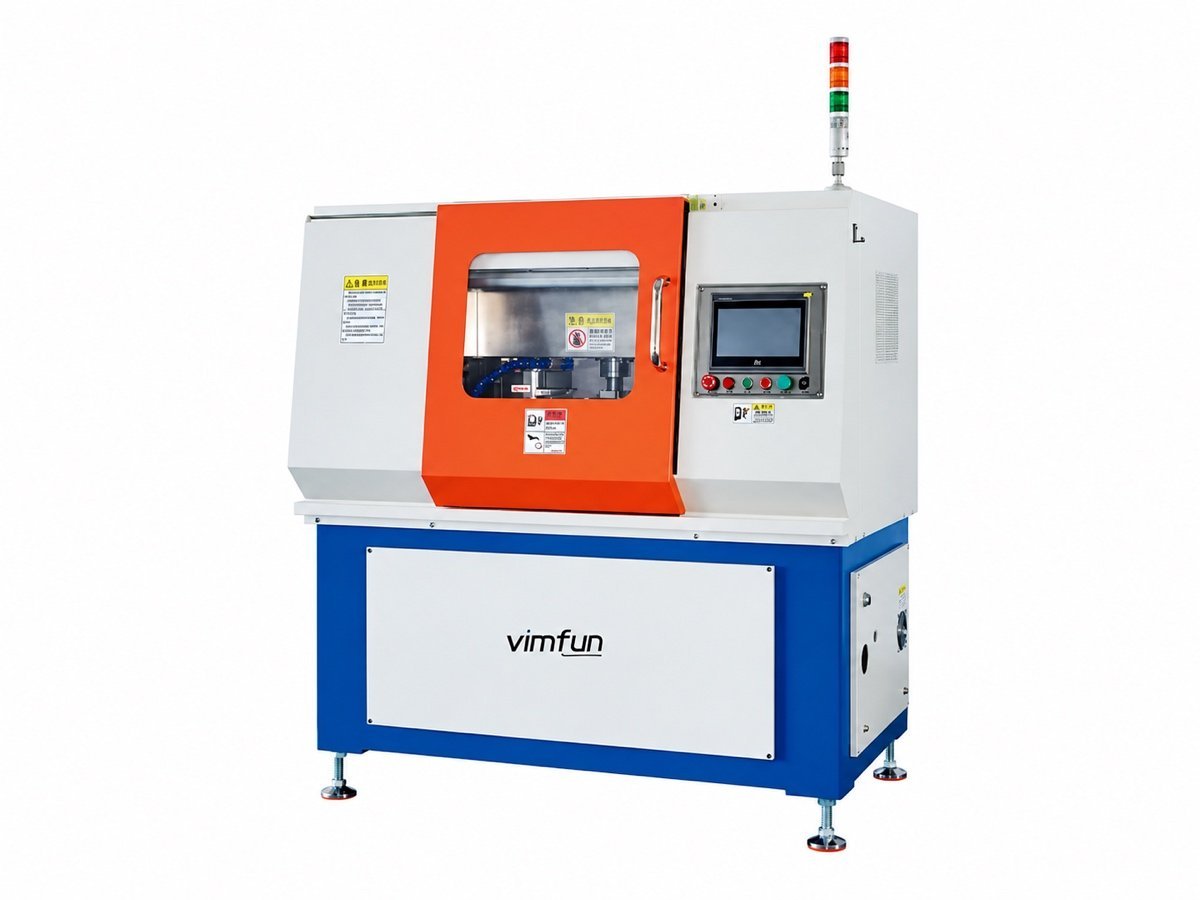
成形後の外周研磨
Ø30–220 mm; 2D / 2.5D フラット部品
フラットな技術部品に研磨されたエッジが必要な場合は、このステーションを含めてください。これは、3番目のレンズエッジャーというよりも、関連する仕上げ操作です。積層部品治具とCAD輪郭ワークフローは、AL-7Sロードと組み合わせることができます。決定は、外側寸法だけでなく、受け入れられるエッジの状態と必要な仕上げに依存します。.
仕様を見る →これはあなたの部品に適した種類のエッジャーですか?
この光学レンズ外周加工機シリーズは、精密光学部品および技術部品に対応します。建築用ガラス、鏡、または眼鏡 Rx ラボ向けではありません。この区別は重要です。なぜなら、眼鏡レンズ仕上げシステム、建築用ガラスのエッジライン、および精密光学輪郭研削盤は、異なる材料、図面、および生産方法に対応するからです。.
完成した輪郭、ブランク寸法、厚さ、およびエッジの詳細を送信してください。面取り、コーナーの状態、および部品の保持方法を変更する可能性のある機能を含めてください。非円形部品の場合、指定された直径範囲だけでは不十分です。対角線、治具エンベロープ、および工具アクセスも確認する必要があります。機械の提案には、コンポーネントがどのように位置決めされ、拘束されるかが説明されている必要があります。.
受け入れられる表面の状態についても説明してください。研磨された光学面は、粗いブランクとは異なる接触保護が必要な場合があります。ワーク保持、ロード、およびクリーニングは、すでに上流で完了した表面を維持する必要があります。最良の機器選択は、単にエッジを最も速く除去するものではなく、完成部品の要件全体を満たすものです。.
自動ロードはいつ意味がありますか?
手動ロード式光学レンズ外周加工機は、オペレーターに部品配置の直接制御を可能にし、部品の混合が変わる場合に役立ちます。EG-80は、手動ハンドリングによる基本的な粗研削および精密研削操作を提供します。必要な労働力には、部品のロード、アンロード、クリーニング、およびチェックが含まれるため、機械サイクルは生産計算の一部にすぎません。.
Auto-EG-80は、トレイハンドリングと自動ピックアンドプレイスを追加します。これは、繰り返しバッチが増えるにつれてより関連性が高くなりますが、合意されたトレイレイアウトと信頼性の高い受け入れ状態も必要とします。異なるレンズの厚さ、部品の向き、または保護要件がハンドリングプロセスに影響するかどうかを確認してください。自動ロードは、段取り替えを不必要に複雑にすることなく、手作業を削減する必要があります。.
同じ図面、受け入れられるストック、および検査基準を使用して、両方の構成を比較してください。シフトあたりの受け入れ部品数と公称サイクルを記録してください。公表されているサイクル範囲はモデル参照であり、すべての部品に対する保証ではありません。生産比較には、ホイールの状態、治具の交換、ロードの中断、およびバッチ間の必要な検査を含める必要があります。.
エッジ加工、芯出し、およびエッジ研磨は異なる操作です
光学レンズ外周加工機は外側輪郭を制御しますが、光学芯出しは、機械的形状と光軸の関係を含む別の要件です。タイトなスピンドルランアウト仕様は、それ自体では完成レンズの芯出し精度を確立しません。芯出しがどのように設定および測定されるかを述べてください。.
専用のベルクランプ芯出しについては、C-120LおよびC-185Lについて相談してください。文書化された最大外径エンベロープは、それぞれ 120 mm および 185 mm です。20秒角の設定能力について議論される場合、それは各完成品の自動クローズドループ記録ではなく、中心器上でのオペレーター設定を指します。選定中に測定手順に合意してください。.
EP-220Cは別の操作に属します。つまり、積層ワークを含む、適切な 2D および 2.5D フラット部品のエッジを研磨することです。そのプロセスは、外径研削と同じ操作として記述されるべきではありません。完全なルートについては、まずエッジ形状を定義し、次に必要な表面仕上げを定義し、最後に完成部品をチェックするために使用される方法を定義してください。.
材料と受け入れられる部品の状態
光学レンズ研磨機プロジェクトでは、ガラスやクリスタルといった広範な名称だけでなく、グレードと状態によって材料を特定する必要があります。ブランクの寸法、既に完了した表面、およびワークピースとの接触に関する制限事項を提供してください。選択された機械、工具、およびプロセス媒体は、組み合わせとして検討する必要があります。あるモデルで実証された能力は、その範囲内のすべての機械に適用されるとは限りません。.
光学ガラス、溶融石英、結晶性石英、サファイア、ゲルマニウム、およびテクニカルセラミックスは、異なる加工要件を示します。当社のウェブサイトの範囲は複数の用途をカバーしていますが、各ステーションが万能の材料加工機であることを意味するものではありません。文書化された材料リストのないモデルについては、適合性が確立されていると見なす前に、アプリケーションレビューと代表的なサンプル加工を依頼してください。.
クーラントまたはスラリーの取り扱い、洗浄、および次の工程で必要とされる状態について議論してください。トライアルでは、異常に簡単なサンプルではなく、代表的な在庫を使用してください。部品ファミリーが厚さ、形状、または入荷時の損傷において大きく異なる場合は、それらの違いをリクエストで特定してください。これにより、提案された構成が実際の生産ミックスに対して評価されることができます。.
サンプルトライアルで確立すべきことは何ですか?
トライアルを使用して、定義された部品と受け入れ方法に対して、提案された光学レンズ研磨機の構成を評価してください。図面、代表的なブランク、および材料仕様をお送りください。トライアル開始前に、どの表面またはフィーチャーがチェックされ、検査中にサンプルがどのように参照されるかを含め、出力測定値について合意してください。.
切断、研削、研磨を含む加工用途には、無料のサンプル加工が利用可能です。検査およびハンドリング装置は、関連する測定または転送タスクに対して評価する必要があります。サンプル数量、評価範囲、および手配については、チームと合意してください。トライアル結果は、テストされた材料、工具、設定、および形状の組み合わせを記述します。それらは、無関係な部品に一般化されるべきではありません。.
成功した最終サンプル以上のものを記録してください。入荷時の状態、工具、加工シーケンス、および必要なセットアップまたは調整をメモしてください。出力レートが重要な場合は、機械加工時間とロード、洗浄、および検査時間を区別してください。これらの記録は、生産提案を確立するのに役立ち、設置およびトレーニング中のオペレーターに有用な出発点を提供します。.
Define acceptance before comparing quotations
A useful optical lens edging machine quotation links each requested outcome to a configuration and an inspection procedure. List the part family, required geometry, output criteria and production objective. Identify which items are machine specifications and which are sample-part acceptance values. This prevents a spindle or probe specification from being mistaken for the guaranteed result on every finished workpiece.
Ask for the proposed machine sequence, workholding approach and loading method. Review access for changing tooling and cleaning, along with the space needed for incoming and finished parts. Site requirements should be confirmed for the ordered configuration rather than copied from another model’s utility information. Put responsibilities for installation, training and acceptance into the order documentation.
Vimfun’s documented support terms include a 12-month warranty from final acceptance and continuing spare-parts support. Confirm the applicable service scope and response arrangements in the quotation. Before shipment, agree which checks will be performed, which records will accompany the machine and what the customer must prepare for commissioning.
Prepare a request the application team can act on
To specify an optical lens edging machine, send the finished drawing together with a description of the incoming blank. State whether you are replacing an existing machine, removing a production bottleneck or planning a new cell. These are different purchasing problems even when the final component is the same.
Include material grade, minimum and maximum dimensions, relevant optical and mechanical tolerances, batch size and expected annual quantity. Describe how parts arrive at the station and how they need to leave it. If an existing fixture, tray or basket must be retained, include its dimensions and photographs. Mark any drawing requirements that have not yet been finalized.
For an existing process, explain the current difficulty in observable terms: frequent manual adjustment, inconsistent incoming thickness, handling damage, long changeovers or an unbalanced sequence. This is more useful than requesting the fastest machine without a defined task. We can then compare the suitable equipment families and explain the trade-offs in the proposal.
Practical questions before ordering
How is an optical lens edging machine selected for my drawing?
Start with the part geometry, material and incoming condition, then agree the output and inspection method. A defined outside profile and edge condition, with optical centering assessed separately where required. The application team can compare suitable model families once those requirements are clear.
Does an optical lens edging machine replace final inspection?
No. The machine process and final acceptance checks have different roles. In-process measurements can support control of a selected operation, but the finished component still needs the checks agreed on its drawing and in the acceptance procedure.
Can one model process every optical material?
No. Material suitability depends on the documented model, tooling, workholding and process conditions. Review the material grade and representative blanks with the application team. A family-level overview helps find candidates; it does not replace the specification and evaluation of the selected machine.
Can I buy one station rather than a full line?
Yes. A single-station proposal should still define the incoming and outgoing condition. Provide the equipment or process used immediately before and after it so the new station can be selected for the actual production route.
What determines the final configuration and price?
Workpiece geometry and range, loading method, measurement functions, tooling, fixtures and the agreed installation scope all affect the proposal. Request a configuration against a drawing instead of comparing prices for machines that may perform different tasks.
Where can I read about the previous and next operations?
Use the related process pages below to follow the equipment sequence. Product pages provide model-level specifications; this page compares process choices. For material-removal allowance and damage, the subsurface-damage application note provides additional background.
Send a drawing and define the next step
Tell us your material, blank dimensions, required output and production quantity. We will recommend an optical lens edging machine configuration and explain the proposed process, handling and acceptance checks.
Request an equipment proposal