A glass wafer slicing machine is a production asset, so durability should be judged by more than the frame or the number of hours it can run. For a slicing operation, practical durability means that the machine remains suitable for the workpiece, consumables can be managed, routine checks are repeatable, and faults can be identified before they create avoidable scrap or extended downtime.
This guide focuses on maintenance and uptime factors for diamond-wire slicing. It does not assume a universal service life or guaranteed output: actual results depend on the material, workpiece geometry, cutting recipe, operating environment, and maintenance practice.
What machine durability means in wafer slicing
In a brittle-material process, an apparently running machine is not necessarily producing stable parts. Track the conditions that matter to your operation: unplanned stops, wire changes, rework, dimensional variation, edge damage, and time spent cleaning or restoring the cutting zone. These records help separate a machine issue from a material, setup, or process issue.
1. Match the work envelope and duty to the machine
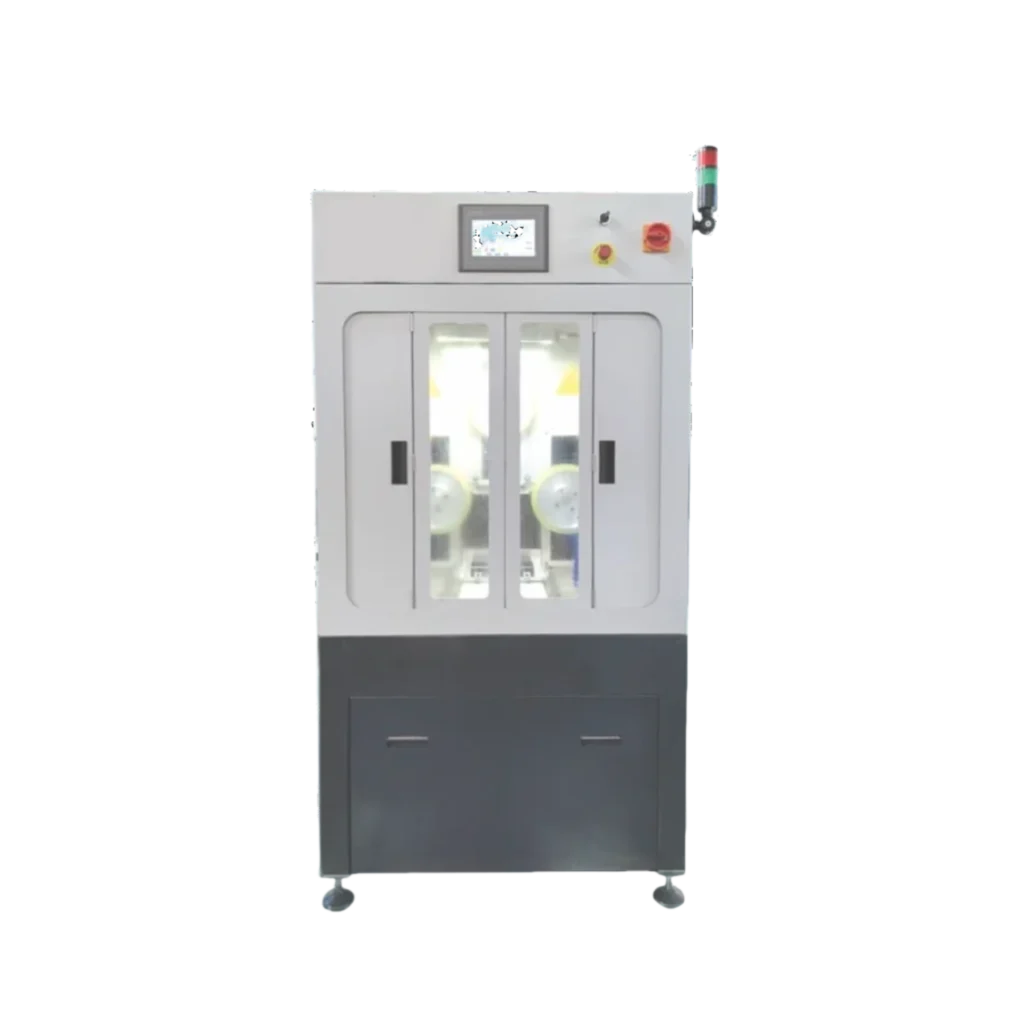
Confirm the maximum workpiece dimensions, required slice thickness range, batch pattern, and expected duty cycle before purchase. A machine operated within its documented work envelope is easier to plan and maintain than one routinely pushed beyond its intended application. For example, the SG-20 glass wafer slicing machine is specified for small optical-glass, crystal, and ceramic workpieces up to 200 × 200 × 220 mm. That capacity is a model-specific limit, not a general specification for every wafer slicer.
2. Treat the wire and cutting fluid as process consumables
Diamond-wire selection and replacement timing affect both cutting behavior and operating continuity. Use the wire type and diameter approved for the machine and the material; inspect it at the intervals in the machine manual, and record changes alongside the workpiece and recipe. Do not extend wire use solely to reduce consumable cost if cut behavior is changing.
Where the machine uses circulating fluid, keep the fluid system clean and follow the specified replenishment and cleaning procedure. Residue, interrupted flow, or contamination can affect the cutting environment and make fault diagnosis harder. Follow the machine supplier’s instructions for fluid, filtration, and disposal.
3. Make lubrication and inspection routine
Use the manufacturer’s maintenance schedule for lubrication points, motion components, electrical connections, guards, and safety devices. Keep a dated record of completed checks and any abnormal noise, vibration, alarm, or movement. A short, consistent inspection routine is more useful than an unsupported promise that a machine is “maintenance-free.”
A practical uptime checklist
- Before a run: verify the workpiece is secured, the selected recipe matches the material and cut, guards are closed, and the wire and fluid system are ready.
- During production: record alarms, interruptions, wire changes, and any change in cut behavior; stop and investigate when operating conditions move outside the approved procedure.
- At shift end: clean the work area and fluid-contact surfaces as directed, check for visible wear or leaks, and leave a handover note for unresolved issues.
- At scheduled intervals: complete lubrication and component checks using the machine manual, and review downtime and consumable records for recurring causes.
Features that can support maintenance planning
Features are useful when they address a defined production need. The SG-20 product information lists water circulation, automatic lubrication, wire-break detection and an alarm, production tracking, and optional oil-mist recovery. These functions can help operators monitor a run or maintain the machine, but they do not remove the need for inspection, correct setup, or service according to the manual.
When comparing equipment, ask what the alarm identifies, which maintenance tasks remain manual, how consumables are changed, what routine service is required, and what support is available for troubleshooting and spare parts. Ask for the written maintenance schedule and confirm that it matches your materials and expected operating pattern.
How to compare durability without relying on vague claims
| What to review | Evidence to request |
|---|---|
| Workpiece fit | Documented work envelope and a sample-cut review for the actual material and geometry |
| Consumables | Compatible wire specifications, replacement procedure, and availability |
| Routine service | Manufacturer maintenance schedule and required operator checks |
| Downtime response | Alarm descriptions, troubleshooting steps, service channel, and spare-parts plan |
| Process stability | Repeat trials using the customer’s workpiece and agreed acceptance criteria |
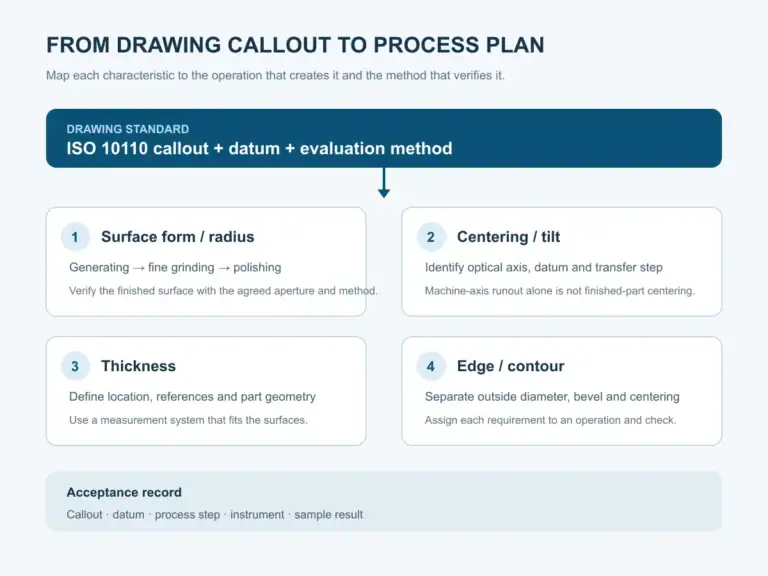
For method selection, compare diamond-wire slicing with other approaches in our glass wafer cutting guide. If you are evaluating a specific machine, share the material, blank dimensions, target slice thickness, batch size, and acceptance requirements so the application can be checked against documented capacity.
Frequently asked questions
How long should a glass wafer slicing machine last?
There is no useful universal service-life figure without operating hours, application, maintenance history, and acceptance criteria. Ask the manufacturer for the machine-specific maintenance schedule and evaluate service support and consumable availability.
Does automatic lubrication eliminate maintenance?
No. Automatic lubrication can handle a defined lubrication task, but operators still need to check the system, replenish it as specified, inspect the machine, and follow the full maintenance schedule.
What information helps estimate operating continuity?
Provide the material, workpiece size, slice thickness, batch pattern, hours per shift, target acceptance criteria, and available maintenance resources. A sample trial and a review of the maintenance plan are more reliable than a general uptime claim.