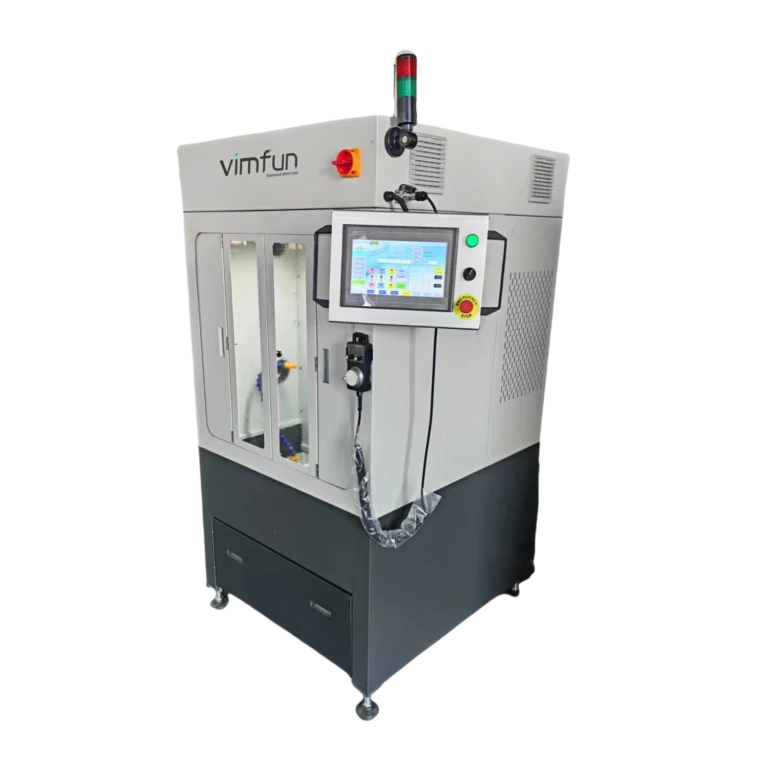
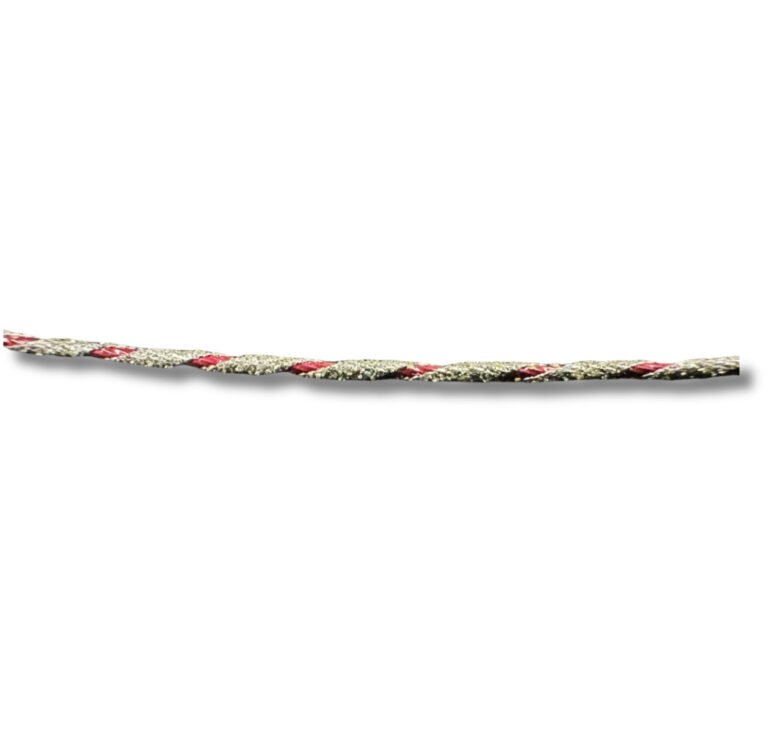
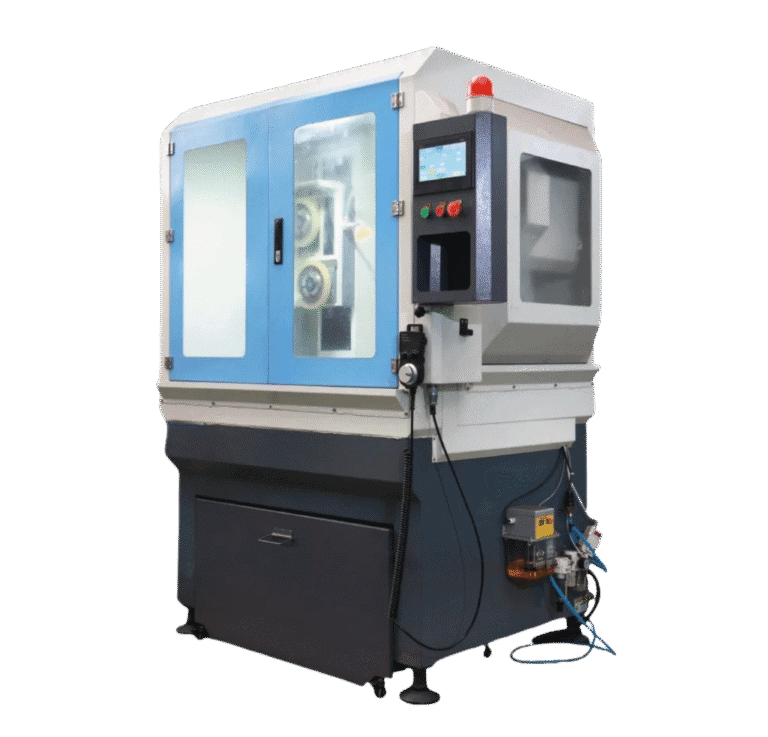
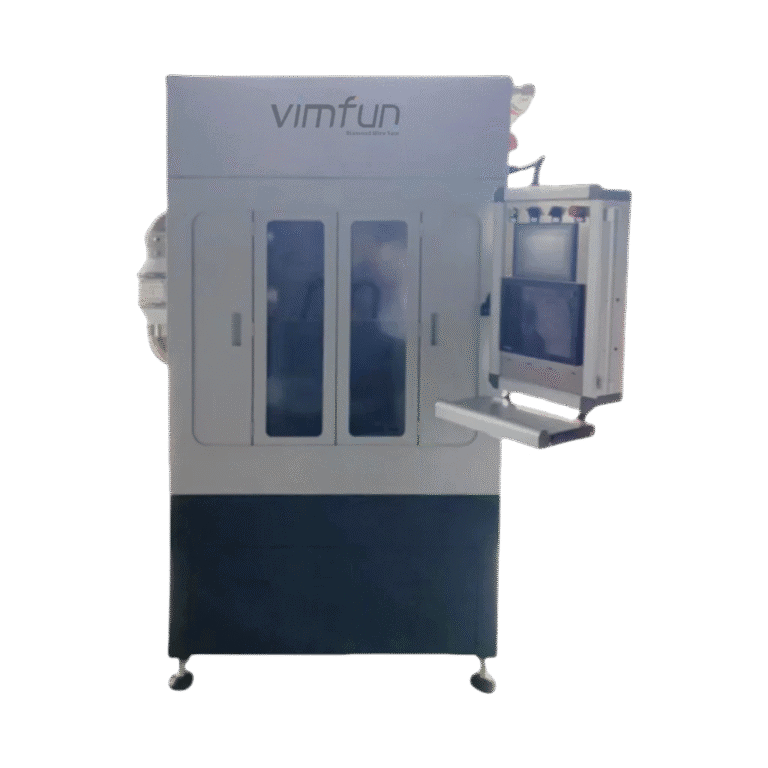
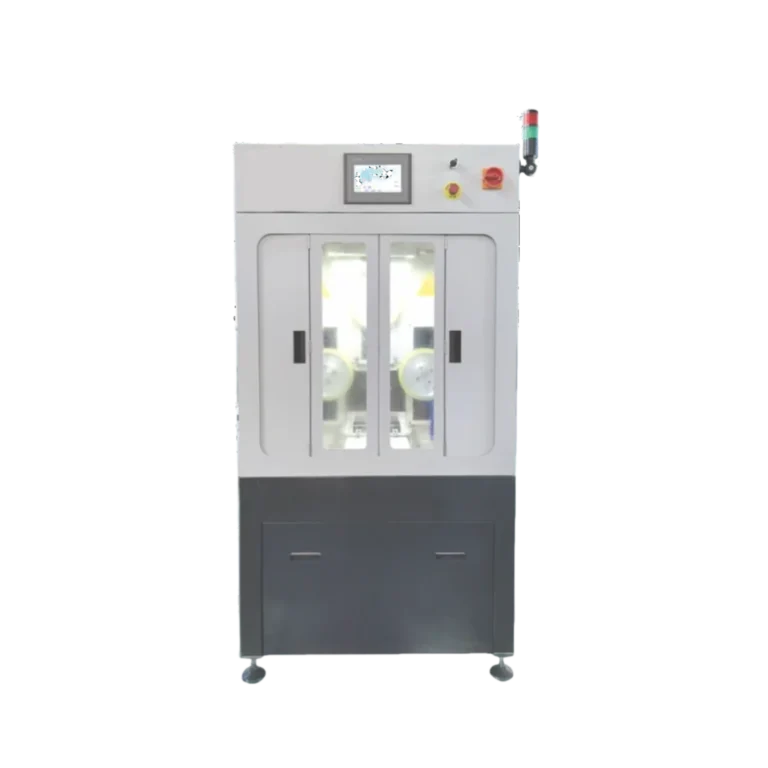
K9 glass, a high-quality optical material similar to BK7, is widely used in lenses and prisms due to its exceptional clarity and durability. Achieving precise, smooth cuts with the VIMFUN Optical Lens Cutting Apparatus, equipped with a ring-shaped diamond wire, requires careful optimization of settings, glue selection, and post-cutting processes. With its ability to cut lenses from 1 mm to 3 meters in diameter and 0.1 mm to 1 m in thickness at a precision of 0.03 mm, this apparatus is ideal for optical shops and manufacturing labs. This article provides a step-by-step guide to optimize the Optical Lens Cutting Apparatus for cutting K9 glass, ensuring flawless results and addressing common concerns about precision and surface quality.
Step 1: Prepare the K9 Glass and Substrate
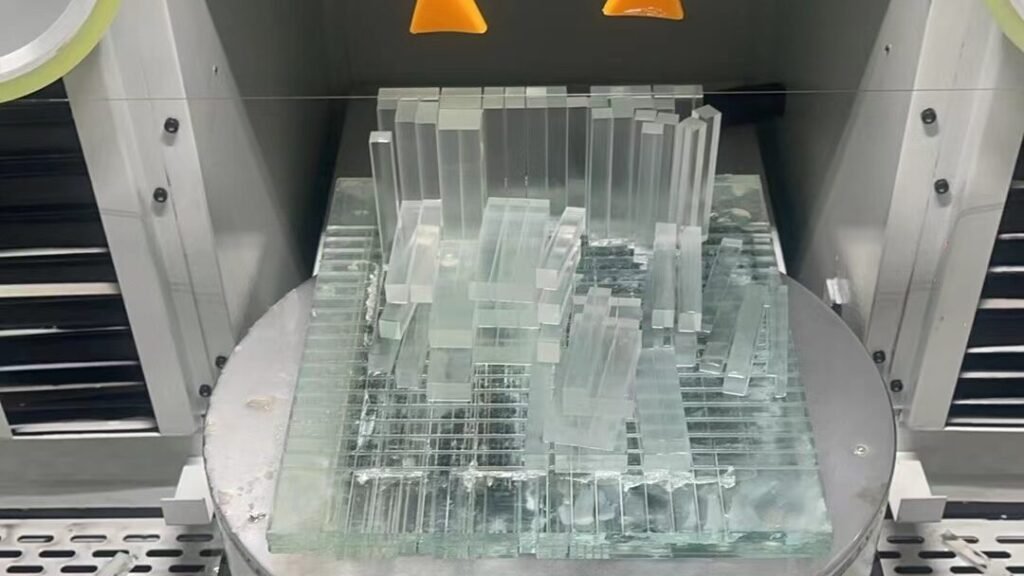
Proper preparation is essential for the Optical Lens Cutting Apparatus to deliver optimal results:
- Clean Surfaces: Wipe the K9 glass and substrate (glass or stainless steel recommended) with isopropyl alcohol to remove dust and oils, ensuring strong glue adhesion and preventing defects in the final lens.
- Inspect the Glass: Check the K9 glass for scratches or imperfections to avoid compromising optical performance during cutting.
- Select Substrate: Use a flat, stable substrate to minimize vibration during high-speed cutting, enhancing the apparatus’s 0.03 mm precision for optical-grade results.
Step 2: Choose and Apply the Right Glue
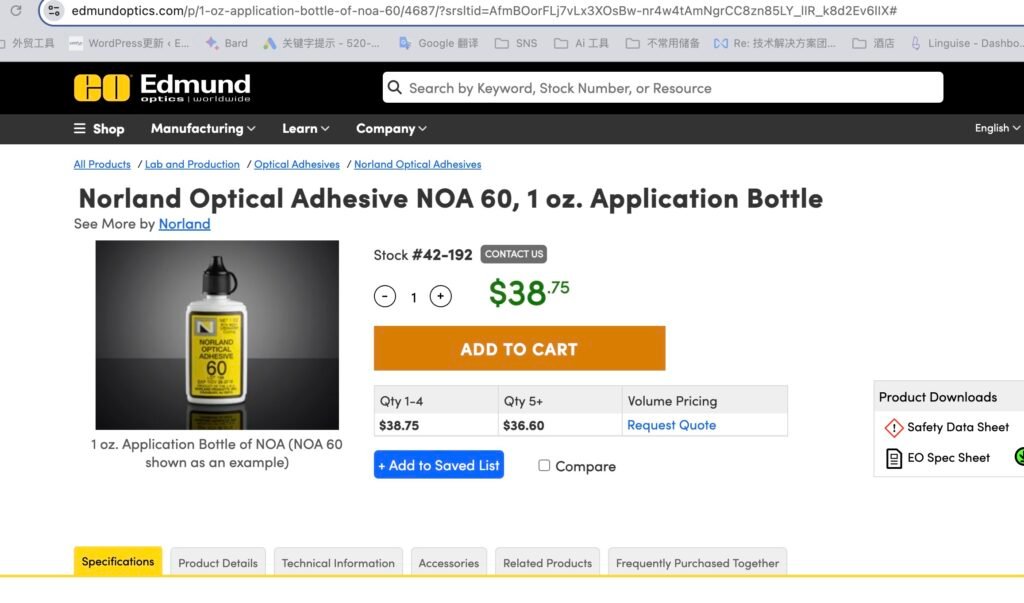
Glue selection is critical to secure K9 glass during high-speed cutting (up to 80 m/s). The VIMFUN Optical Lens Cutting Apparatus pairs effectively with UV-curable glue like Norland NOA68:
- Application: Apply a uniform 0.1-0.2 mm layer of NOA68 to the substrate, avoiding excess to maintain cutting accuracy. Press the K9 glass onto the substrate, ensuring no air bubbles for a secure bond.
- Curing: Use a UV light (365 nm) for 5-30 seconds to cure the glue, providing robust bonding to withstand the apparatus’s unidirectional wire motion and vibration.
- Benefits: NOA68 resists oil-based coolants (commonly used with the apparatus) and peels cleanly with minimal residue, addressing concerns about surface quality post-cutting.
Step 3: Configure the Optical Cutting Apparatus
Optimize the Optical Lens Cutting Apparatus settings for K9 glass:
- Wire Speed: Set the ring-shaped diamond wire to 20-50 m/s for K9 glass, balancing speed and surface smoothness. Higher speeds (up to 80 m/s) are suitable for thicker lenses (up to 1 m) to reduce processing time.
- Automation Features: Leverage auto-slicing and tilt functions for precise, complex cuts, minimizing manual adjustments. These features support intricate lens shapes, ideal for custom optical components.
- Coolant Choice: Opt for dry cutting to utilize the apparatus’s eco-friendly design, eliminating water usage and saving up to 1 million liters annually compared to traditional systems. If needed, use oil-based coolant with the built-in recycling system to minimize waste.
Step 4: Execute the Cutting Process
- Start Cutting: Initiate the Optical Lens Cutting Apparatus, monitoring wire tension to ensure consistent 0.03 mm precision. The ring-shaped wire’s low-vibration design delivers smooth, chip-free edges on K9 glass, ideal for high-clarity lenses.
- Monitor Progress: Use the apparatus’s automation to maintain steady cutting, adjusting for lens sizes from 1 mm to 3 meters as required for diverse applications.
- Check Coolant: If using oil-based coolant, ensure the mist recovery system is active to protect air quality, aligning with sustainability goals in optical manufacturing.
Step 5: Peeling and Cleaning
- Peel the Glue: Heat the K9 glass to 80-100°C or soak in hot water (summer) or isopropyl alcohol (5-10 minutes) to remove NOA68 cleanly, avoiding residue that could affect optical clarity.
- Clean the Surface: Perform ultrasonic cleaning with isopropyl alcohol or deionized water (5-10 minutes, 40 kHz) to ensure a pristine surface, ready for polishing or coating.
- Inspect: Verify the cut edges are smooth and meet the 0.03 mm tolerance, ensuring the K9 glass is ready for optical applications.
Why Optimize with the VIMFUN Optical Lens Cutting Apparatus?
Optimizing the VIMFUN Optical Lens Cutting Apparatus for K9 glass provides:
- Unmatched Precision: 0.03 mm tolerance ensures high-clarity lenses for optical applications.
- Enhanced Efficiency: Automation and high-speed cutting (up to 80 m/s) streamline production for small shops and large labs.
- Sustainability: Dry cutting and coolant recycling reduce environmental impact, aligning with industry trends.
- Versatility: Handles lens sizes from 1 mm to 3 meters, supporting diverse optical needs.
Conclusion
By following these steps, you can optimize the VIMFUN Optical Lens Cutting Apparatus to achieve precise, smooth cuts on K9 glass, meeting the demands of modern optical manufacturing. From glue selection to automated cutting, this apparatus delivers efficiency and quality for optical shops and labs. Visit www.opticalcutting.com to learn how the VIMFUN Optical Lens Cutting Apparatus can elevate your K9 glass cutting process.