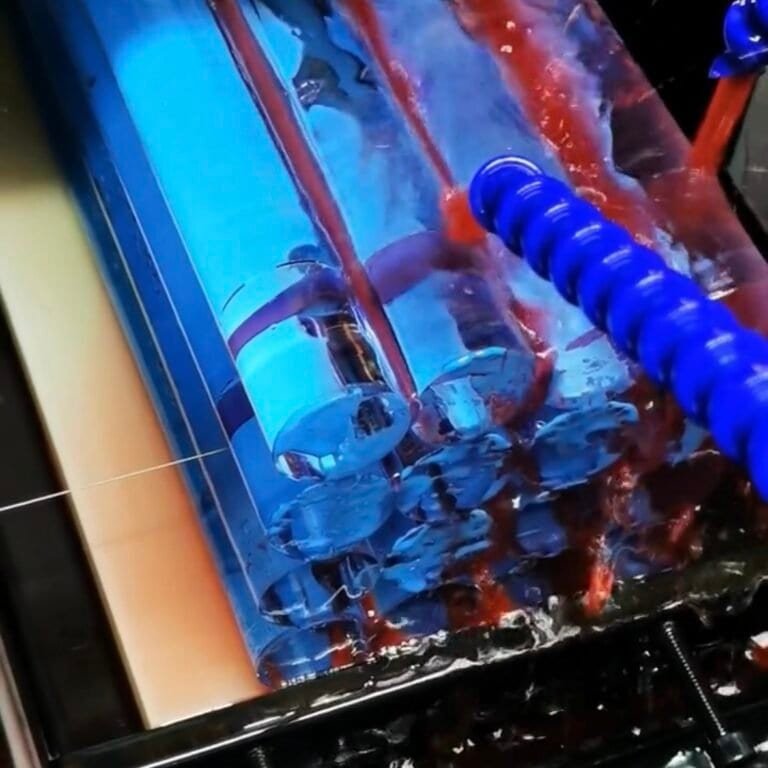
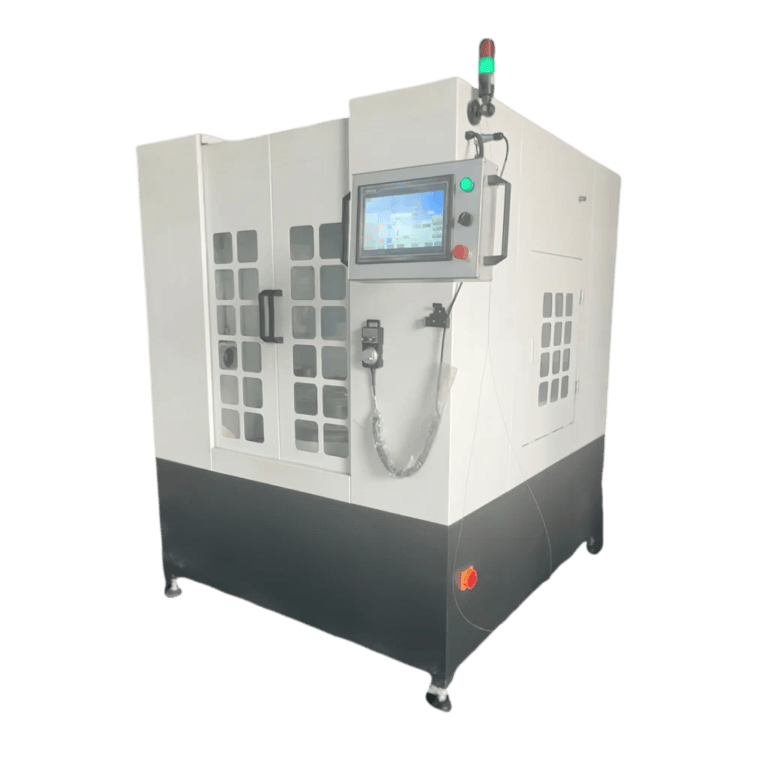
In high-precision optical lens manufacturing, the integrity of the lens surface and subsurface is critical. One of the most hidden yet impactful defects is subsurface damage optical lens, which occurs during cutting. This type of damage is not visible to the naked eye or conventional inspection tools but can degrade optical performance, reduce strength, and increase polishing costs.
Understanding the main causes of subsurface damage during cutting allows engineers to implement strategies that reduce defects, improve lens quality, and enhance long-term reliability. This article explores five key causes of subsurface damage optical lens and discusses practical mitigation methods.
1. Mechanical Stress from Cutting Forces
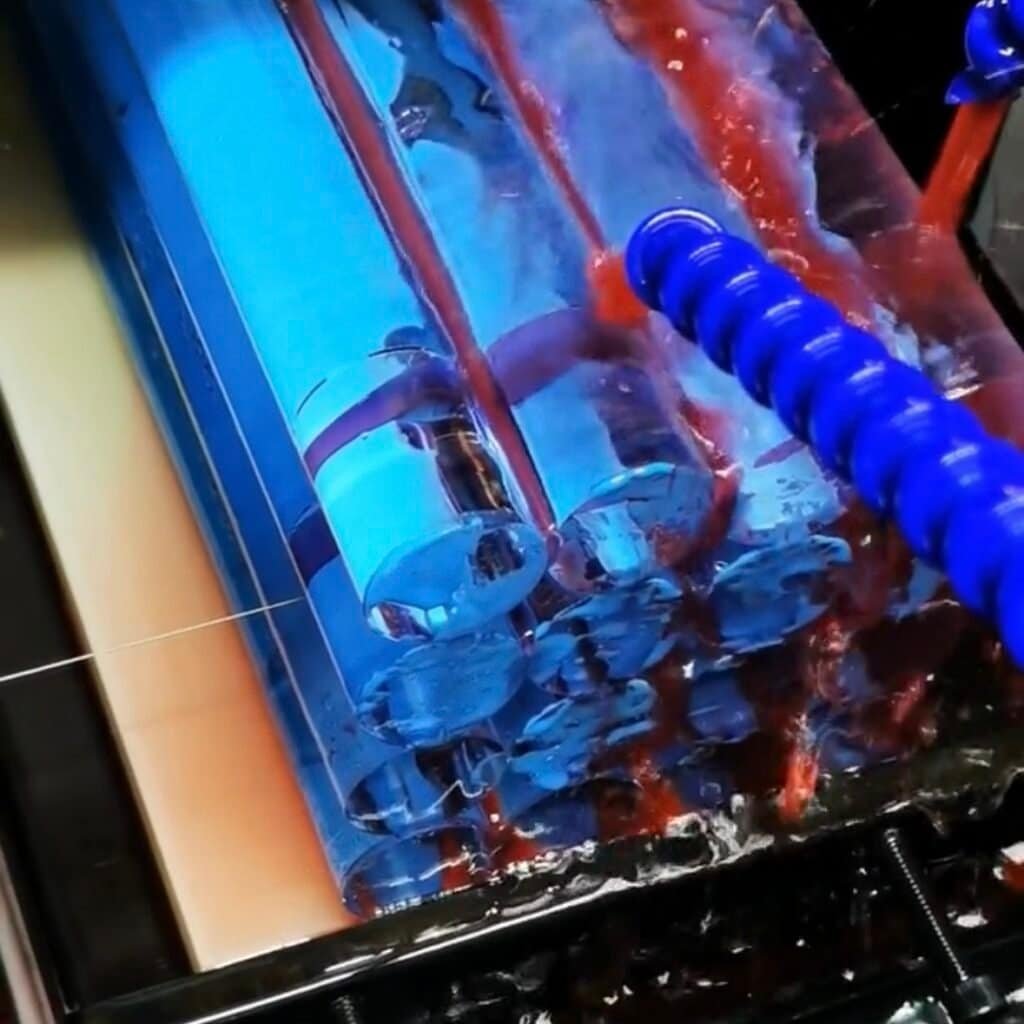
During the cutting process, mechanical forces exerted by the tool or wire create stress beneath the surface. In brittle optical materials, these stresses can generate radial and lateral micro-cracks that propagate below the nominal surface, resulting in subsurface damage.
Engineering Note: High feed rates or improper tool engagement amplify stress-induced cracks. Optimal control of feed rate, wire tension, and cutting speed is essential to limit damage.
2. Thermal Effects and Heat Accumulation
High-speed cutting generates localized heat, especially in materials like BK7, fused silica, or germanium. Thermal gradients create tensile stress zones, contributing to irreversible subsurface deformation and micro-cracks.
Parameter Control Example:
- Wire speed: up to 80 m/s
- Wire tension: 150–250 N
Maintaining proper speed and cooling prevents excessive thermal stress and reduces subsurface defects.
Reference: ASM Handbook on Materials Characterization
https://www.asminternational.org/materials-resources/complex-materials-handbook
3. Tool Wear and Abrasive Degradation
Worn cutting tools or diamond wire abrasives generate uneven forces, producing unstable cutting conditions. This irregularity increases localized indentation, leading to micro-cracks beneath the surface.
Mitigation: Regular tool inspection, replacement of worn wire, and using consistent high-quality abrasives reduce subsurface damage risk.
4. Brittle Material Properties
Optical materials are often low fracture toughness substrates. During cutting, even minor perturbations can induce cracks below the surface. This is especially true for infrared materials like germanium and zinc selenide, which are highly sensitive to mechanical and thermal stress.
Reference: ISO 25178 – Surface Texture
https://www.iso.org/standard/52075.html
5. Inadequate Detection and Process Monitoring
Subsurface damage often goes unnoticed because visual inspection and conventional profilometers cannot detect defects below the surface. Lack of real-time process monitoring allows micro-cracks to form and propagate, which increases polishing time and material loss later in production.
Advanced Detection Techniques:
- Optical Coherence Tomography (OCT)
- Ultrasonic C-Scan
- X-ray Computed Tomography (CT)
These methods provide depth-resolved imaging to detect and mitigate subsurface damage before final polishing.
Effects on Optical Performance
Even if invisible initially, subsurface damage affects performance:
- Light scattering reduces modulation transfer function (MTF).
- Mechanical strength decreases, increasing failure risk.
- Excessive polishing is required to remove hidden defects, raising cost.
- Long-term reliability is compromised under thermal cycling or mechanical stress.
Mitigation Strategies
To minimize subsurface damage optical lens, manufacturers should:
- Optimize cutting parameters: feed rate, speed, wire tension.
- Use high-quality diamond abrasives with proper grit size.
- Employ multi-stage machining: coarse cutting followed by fine finishing.
- Incorporate subsurface-aware polishing: CMP or Magnetorheological Finishing.
- Apply real-time monitoring: vibration, force, and temperature sensors.
Aplicaciones industriales
Subsurface damage is critical in industries requiring high-precision optics:
- Semiconductor lithography lenses
- Aerospace and defense optics
- High-precision microscopy
- Infrared imaging lenses
- AR/VR optical components
Reducing subsurface damage enhances yield, quality, and longevity of optical systems.
Conclusión
Key Takeaways:
- Mechanical stress and cutting forces are primary contributors.
- Thermal effects generate micro-cracks beneath surfaces.
- Tool wear and abrasive quality directly affect subsurface integrity.
- Material brittleness magnifies cutting-induced defects.
- Detection limitations allow hidden defects to persist, increasing cost and reducing reliability.
By understanding and controlling these factors, manufacturers can significantly reduce subsurface damage optical lens, improving quality, reducing waste, and extending optical component service life.
PREGUNTAS FRECUENTES
P1: What is subsurface damage in optical lens cutting?
A: Micro-cracks and plastic deformation beneath the visible surface caused by cutting forces, thermal stress, or brittle material properties.
P2: Can subsurface damage be detected visually?
A: No, it requires specialized methods such as OCT, ultrasonic C-Scan, or X-ray CT.
P3: How does subsurface damage affect lens performance?
A: It increases scattering, reduces optical strength, raises polishing costs, and can shorten service life.
P4: How can manufacturers minimize subsurface damage?
A: Optimize cutting parameters, use high-quality tools, implement multi-stage machining, and monitor processes in real time.