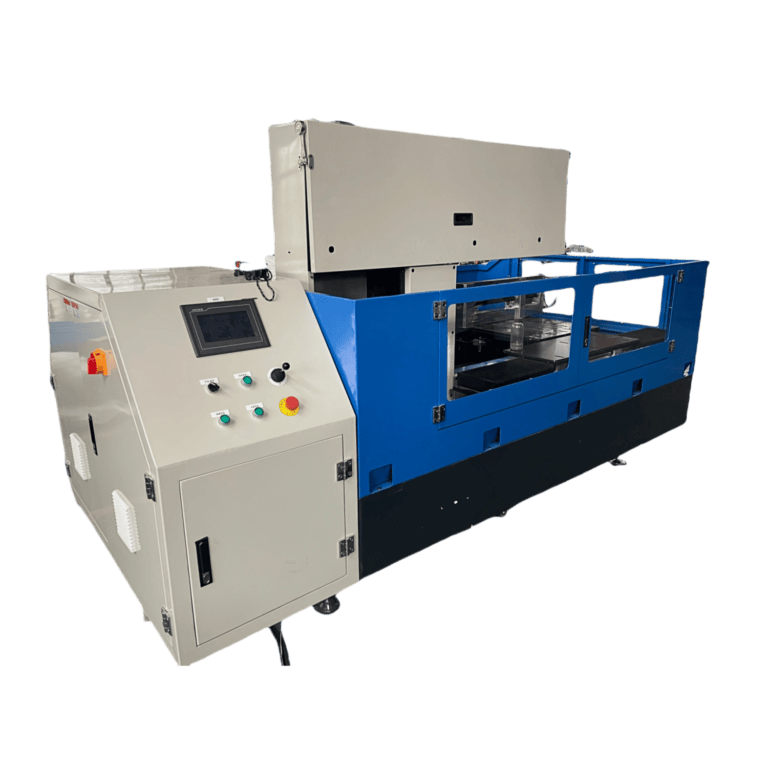
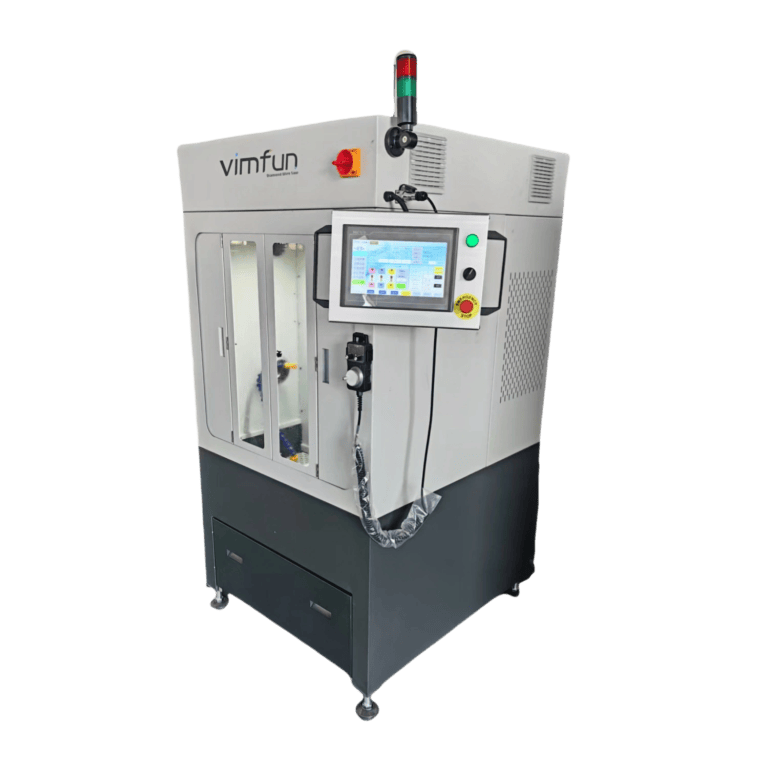
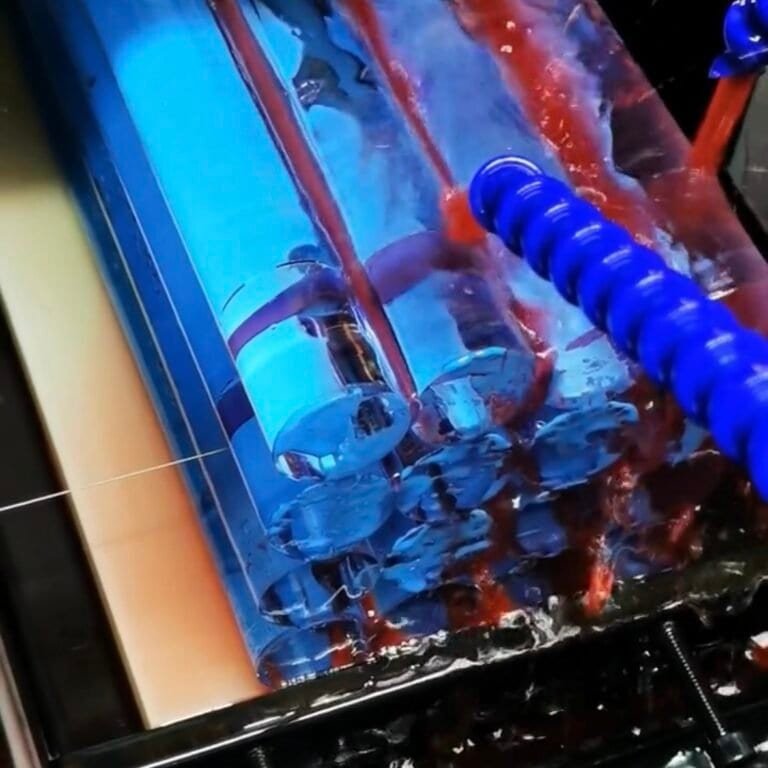
Maintaining the VIMFUN Optical Lens Cutting Instrument, a ring-shaped diamond wire system designed for cutting K9 glass, germanium glass, and Schott glass (e.g., BK7), is essential to ensure consistent precision, longevity, and efficiency. With its high-speed cutting (0-80 m/s), micron-level accuracy (0.03 mm), and ability to handle lenses from 1 mm to 3 meters in diameter and 0.1 mm to 1 m in thickness, this instrument is a cornerstone for optical shops and manufacturing labs. Proper maintenance minimizes downtime, enhances performance, and supports the machine’s eco-friendly features like dry cutting and coolant recycling. This article provides a step-by-step guide to maintaining the Optical Lens Cutting Instrument for optimal performance, addressing key considerations for sustained quality in optical manufacturing.
Why Maintenance Matters
그만큼 VIMFUN Optical Lens Cutting Instrument leverages advanced automation (auto-slicing, complex shape cutting, tilt function) and a ring-shaped diamond wire to deliver smooth, chip-free cuts. However, dust, coolant residue, or wire wear can compromise its 0.03 mm precision and automation efficiency. Regular maintenance ensures reliable operation, reduces repair costs, and supports the instrument’s sustainability features, such as mist recovery and coolant recycling, which align with the industry’s 9.2% CAGR growth in eco-friendly optical cutting technologies.
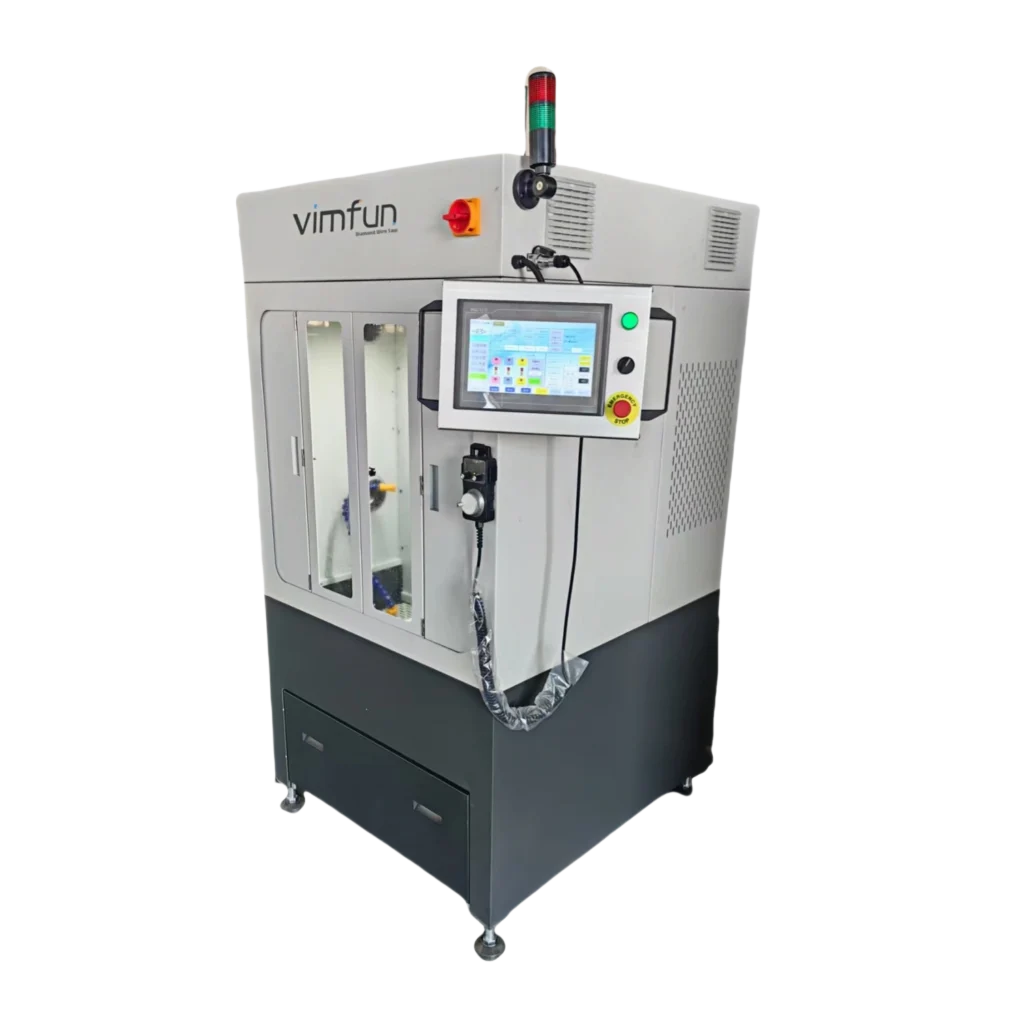
Step 1: Clean the Instrument Regularly
- Wire and Cutting Area: After each session, clean the diamond wire and cutting chamber with isopropyl alcohol to remove glass particles and glue residue (e.g., from Norland NOA68 UV glue). This prevents buildup that could affect cut quality.
- Substrate Platform: Wipe the substrate platform (glass or stainless steel) to ensure a flat, clean surface for lens bonding, maintaining the instrument’s precision for lenses up to 3 meters.
- Mist Recovery System: Inspect and clean the mist recovery filters to ensure air quality protection, especially when using oil-based coolants, a common choice for clients.
Step 2: Inspect and Adjust the Diamond Wire
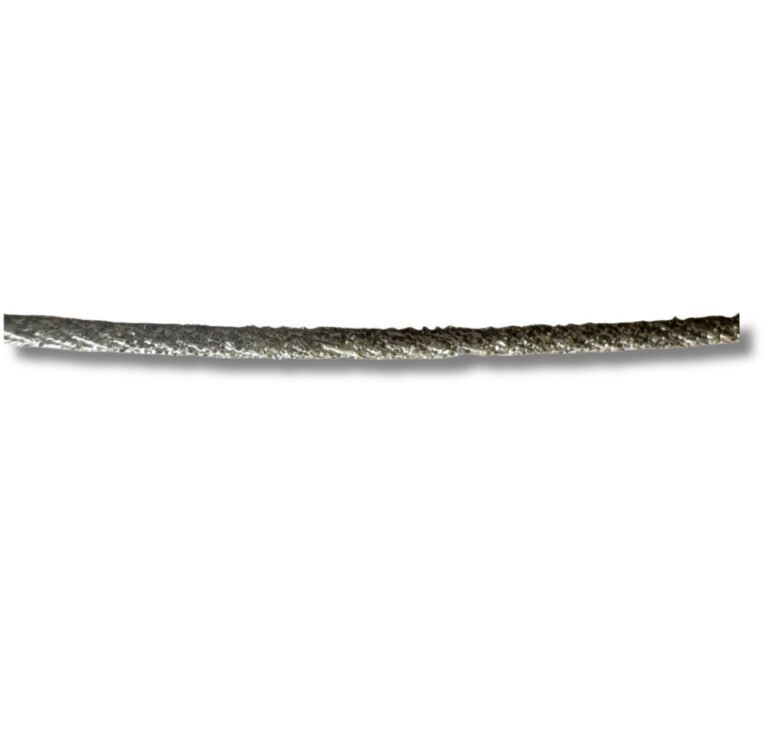
- 와이어 장력: Check the ring-shaped diamond wire’s tension weekly, adjusting to manufacturer specifications to maintain consistent cutting at speeds up to 80 m/s. Proper tension prevents vibration and ensures smooth surfaces on K9, germanium, and Schott glass.
- Wire Wear: Examine the wire for wear or damage, replacing it when signs of abrasion appear to avoid compromising the 0.03 mm tolerance. The unidirectional wire motion minimizes wear, but regular checks are crucial.
- Automation Calibration: Verify the auto-slicing and tilt functions are calibrated to support complex cuts, ensuring the Optical Lens Cutting Instrument operates at peak efficiency.
Step 3: Maintain the Coolant System
- Dry Cutting: If using the instrument’s dry cutting mode, ensure no residual coolant remains in the system to prevent contamination, supporting its eco-friendly design that saves up to 1 million liters of water annually.
- Oil-Based Coolant: For clients using oil-based coolant, check the coolant recycling system monthly, cleaning filters and topping up fluid to maintain performance and minimize waste.
- Leak Checks: Inspect hoses and connections for leaks to prevent coolant loss and ensure the mist recovery system functions effectively.
Step 4: Lubricate and Inspect Moving Parts
- Moving Components: Lubricate bearings and moving parts (e.g., wire guides, tilt mechanism) per the manufacturer’s schedule to reduce friction and extend lifespan.
- Automation Systems: Test the auto-slicing and complex shape cutting functions to ensure smooth operation, addressing any mechanical resistance that could affect precision.
Step 5: Regular Performance Testing
- Test Cuts: Perform test cuts on small K9 glass samples monthly to verify the Optical Lens Cutting Instrument maintains its 0.03 mm precision. Inspect cut edges for smoothness and consistency.
- Glue Removal: After test cuts, peel UV glue (e.g., NOA68) with heat (80-100°C) or hot water and clean with ultrasonic cleaning (isopropyl alcohol, 5-10 minutes, 40 kHz) to ensure residue-free surfaces, critical for optical clarity.
Benefits of Proper Maintenance
Maintaining the VIMFUN Optical Lens Cutting Instrument ensures:
- Consistent Precision: Sustains 0.03 mm accuracy for high-quality K9, germanium, and Schott glass cuts.
- Maximized Uptime: Reduces downtime for small shops and large labs handling lenses from 1 mm to 3 meters.
- Sustainability: Supports dry cutting and coolant recycling, aligning with eco-friendly manufacturing trends.
- 비용 절감: Minimizes repair costs and material waste, enhancing profitability.
결론
Regular maintenance of the VIMFUN Optical Lens Cutting Instrument ensures optimal performance, delivering precise, efficient cuts for optical shops and labs. By following these steps, you can maintain its automation, precision, and eco-friendly features for long-term success. Visit www.opticalcutting.com to explore how the VIMFUN Optical Lens Cutting Instrument can transform your optical manufacturing process.