뉴스 및 인사이트

/ 뉴스 및 인사이트 / 페이지 2

optical lens yield

5 Engineering Factors That Affect Optical Lens Yield in Cutting

In optical manufacturing, production efficiency is often measured by optical lens yield, a metric representing the percentage of finished lenses that meet dimensional, optical, and structural specifications. While polishing and coating processes receive significant attention, the cutting stage plays a decisive role in determining final yield. The choice of cutting method, the number of clamping steps, and the stability of the machining strategy directly influence defect rates and scrap levels. Even small deviations introduced during cutting can propagate through subsequent grinding and polishing processes, ultimately reducing optical lens yield. This article explores what optical yield truly means, how cutting methods influence scrap rates, why single-clamping processes outperform multi-clamping setups, and how manufacturing strategies determine long-term production stability. What Is True Optical Yield? In many production reports, yield is defined simply as the ratio of usable parts to total produced parts. However, in precision optics manufacturing, true optical lens yield is

자세히보기"
optical lens yield

5 Causes of Subsurface Damage Optical Lens During Cutting

In high-precision optical lens manufacturing, the integrity of the lens surface and subsurface is critical. One of the most hidden yet impactful defects is subsurface damage optical lens, which occurs during cutting. This type of damage is not visible to the naked eye or conventional inspection tools but can degrade optical performance, reduce strength, and increase polishing costs. Understanding the main causes of subsurface damage during cutting allows engineers to implement strategies that reduce defects, improve lens quality, and enhance long-term reliability. This article explores five key causes of subsurface damage optical lens and discusses practical mitigation methods. 1. Mechanical Stress from Cutting Forces During the cutting process, mechanical forces exerted by the tool or wire create stress beneath the surface. In brittle optical materials, these stresses can generate radial and lateral micro-cracks that propagate below the nominal surface, resulting in subsurface damage. Engineering Note: High feed rates or improper

자세히보기"
kerf loss optical cutting

5 Impacts of Kerf Loss Optical Cutting on Lens Material Cost

In optical lens manufacturing, controlling material waste is essential for reducing production costs and improving profitability. Among all manufacturing factors, kerf loss optical cutting — the material removed during the slicing process — plays a decisive role. For high-value optical materials such as K9 glass, Corning® optical glass, and germanium, even slight increases in kerf width can result in substantial financial loss. While equipment price often dominates procurement discussions, engineering and cost analysis demonstrate that cutting method selection and kerf optimization have a far greater influence on long-term cost efficiency. This article explores the five key impacts of kerf loss optical cutting on material cost and explains why cutting technique and process control matter more than capital expenditure on machines. What Is Kerf Loss? In manufacturing, the term kerf refers to the width of material removed by a cutting tool or wire. Kerf loss is the volume of material lost

자세히보기"
optical lens materials

5 Key Factors of Optical Cutting Quality in Optical Lens Manufacturing

In optical lens manufacturing, engineers often focus heavily on grinding and polishing processes because these stages directly determine the final surface finish of the lens. However, an earlier step—material cutting—plays an equally critical role in determining the final performance of optical components. The concept of optical cutting quality refers to the condition of the material immediately after the cutting stage. Unlike polishing quality, which focuses on surface smoothness, cutting quality involves both visible surface conditions and hidden structural damage within the material. Poor cutting quality can introduce micro-defects that propagate during later manufacturing steps and eventually affect optical performance. Understanding the mechanisms behind optical cutting quality is therefore essential for engineers working in precision optics manufacturing. What Is Optical Cutting Quality? The term optical cutting quality describes the physical condition of an optical material immediately after it is separated from the raw block during manufacturing. Cutting quality is typically evaluated

자세히보기"
optical lens materials

7 Optical Lens Materials Used in Optical Lens Manufacturing

Optical lenses are fundamental components in cameras, laser systems, microscopes, semiconductor equipment, and precision sensors. The performance of these optical systems depends heavily on the properties of the materials used to produce the lenses. Understanding optical lens materials is therefore critical for engineers involved in optical manufacturing. Different materials exhibit varying levels of hardness, brittleness, thermal stability, and internal stress, all of which influence how the material should be processed. In many cases, the choice of material directly determines the cutting strategy used during the early stages of optical lens manufacturing. This article provides an overview of common optical materials and explains how material properties influence cutting processes and manufacturing risks. Overview of Common Optical Lens Materials Several types of optical lens materials are widely used in industrial and scientific applications. Each material offers different optical and mechanical characteristics. BK7 Optical Glass BK7 is one of the most widely used

자세히보기"
Optical Filter Shaping Machine supplier

Optical Filter Shaping Machine Supplier for Ceramic Cuts

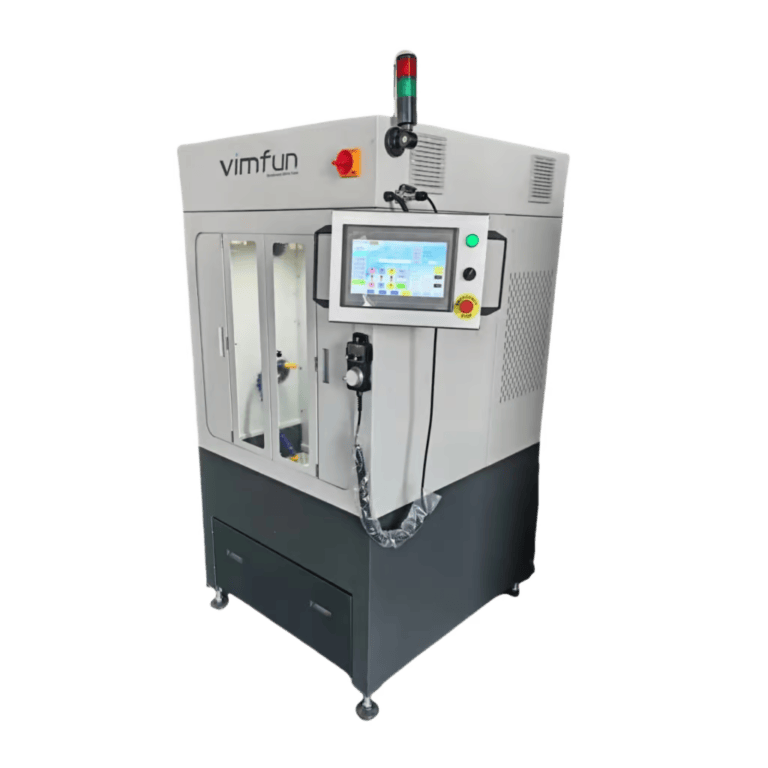
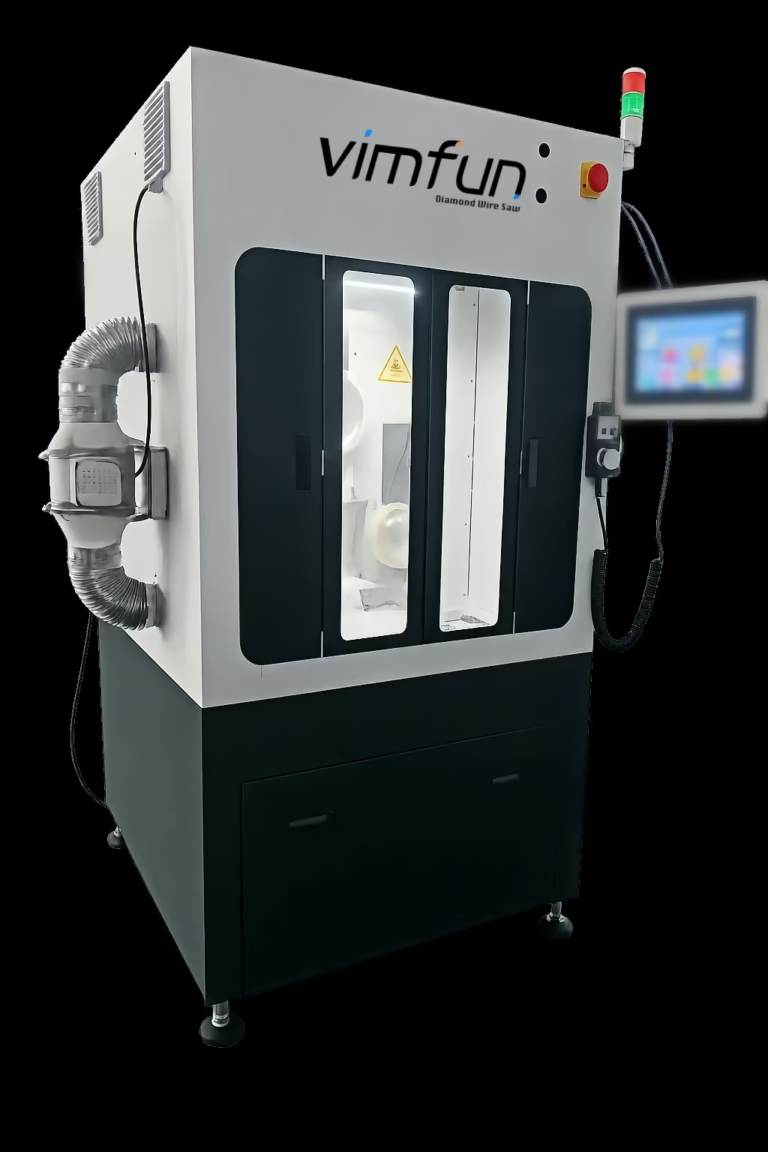
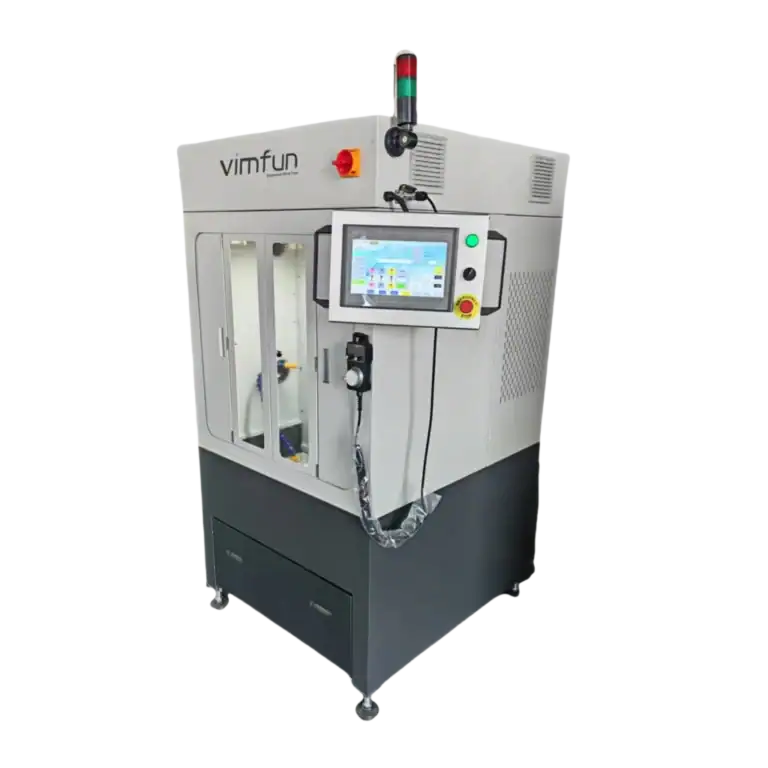
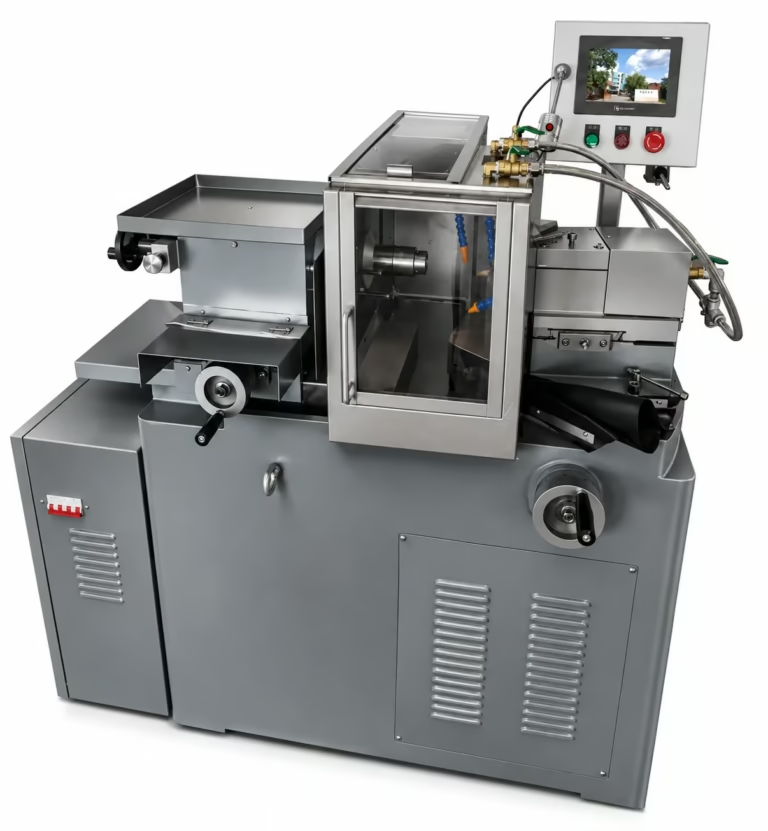
An optical filter shaping machine supplier provides machines that cut and shape glass and ceramic parts. These machines are used in labs, factories, and research centers. Many optical filters and sensors need very exact shapes. Because of this, the cutting machine must work very carefully. A good optical filter shaping machine supplier offers robust, easy-to-use, easy-to-control machines. The machine helps workers cut parts with clean edges and the correct size. With the right optical filter shaping machine supplier, companies can produce better optical products and keep the work safe and stable. SGI 20 Optical Filter Shaping Machine The SGI 20 is a small but very accurate cutting machine. It is made for optical labs and glass processing factories. The system uses a CNC endless diamond wire saw to cut glass and ceramic materials. This wire is thin and strong, so it cuts gently and smoothly. The machine control system is

자세히보기"
Industrial Quartz Slicing Machine

Industrial Quartz Slicing Machine with Diamond Wire Saw

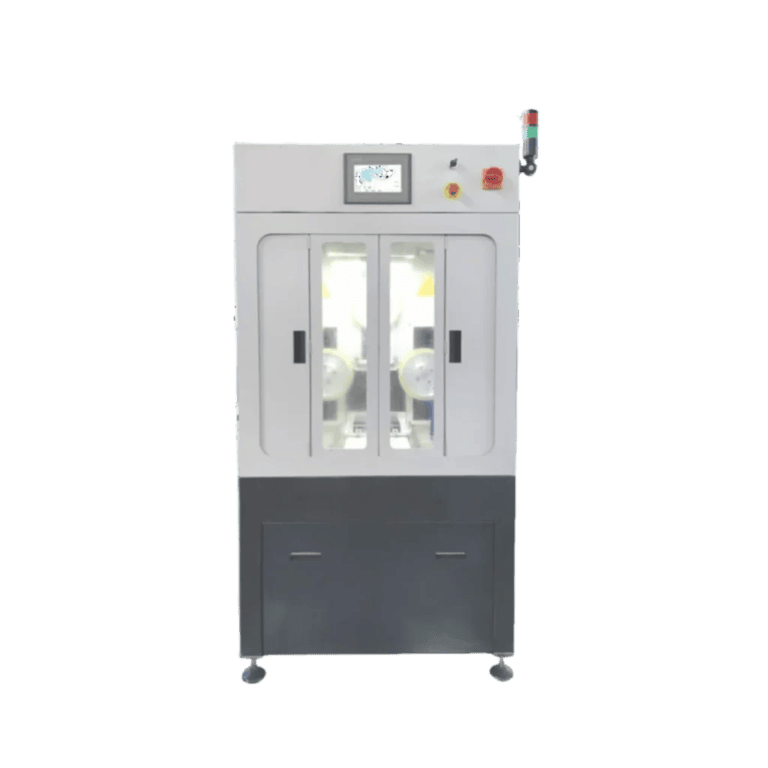
An industrial quartz slicing machine is a factory machine that cuts big quartz blocks into thin pieces. Quartz is a very hard stone. Because it is hard and fragile, it must be cut very carefully. The machine uses a diamond wire saw for cutting. The wire moves slowly and gently through the quartz. The wire has very small diamond grains. Diamonds are very strong, so they can cut hard materials like quartz. This helps the machine produce smooth, clean slices. Many factories use this machine to make quartz plates for electronics and glass products. A strong horizontal wire saw frame helps keep the machine steady while cutting. An industrial quartz slicing machine helps make clean and accurate slices. Why Diamond Wire Technology Works Best A wire saw is one of the best tools for cutting quartz. The wire is thin but very strong. The tiny diamond grains on the wire

자세히보기"
optical lens manufacturing process

7‑Step Optical Lens Manufacturing Process Explained: From Raw Material to Finished Product

Producing high‑performance optical lenses involves a series of tightly controlled steps—each contributing directly to final quality, yield, and consistency. Understanding the optical lens manufacturing process from raw material to finished product helps engineers optimize workflow, reduce scrap, and improve product performance. In this article, we’ll walk through the complete process, outline key technical challenges, compare how cutting plays different roles in glass versus plastic, and explain why certain errors introduced during cutting cannot be corrected later. For a general overview of optical lens fabrication methods, see this Encyclopaedia Britannica resource on lens manufacturing:https://www.britannica.com/technology/lens-optics/Manufacturing-optical-lenses From Raw Material to Finished Lens: 7‑Step Process (Text Flow Diagram) Below is a linear “diagram” of the optical lens manufacturing process in text format: Each of these steps builds on the previous one. Errors compound rather than cancel, so a solid baseline—particularly from step 3 onward—is critical. Stage‑by‑Stage Technical Challenges 1. Material Selection & Inspection 2.

자세히보기"
광학 렌즈 절단

Optical Lens Cutting in Manufacturing: Process Role, Methods & Yield Impact

In high-precision optical manufacturing, optical lens cutting serves as a crucial bridge between rough stock preparation and final surface finishing. Whether for cameras, medical devices, or AR/VR systems, the geometric accuracy, material integrity, and surface quality of lenses heavily depend on this step. This article analyzes the technical aspects of lens cutting and why it directly impacts subsequent processing quality and yield. The Role of Optical Lens Cutting in the Manufacturing Process In a typical optical lens production workflow, optical lens cutting is positioned between raw material preparation and grinding/polishing In this workflow, lens cutting is not merely material removal but a critical step that defines geometric baselines and ensures downstream processing stability. Effects of Different Cutting Methods on Downstream Processing Commonoptical lens cutting methods include Impact on downstream processing: The choice of cutting method should balance process efficiency with downstream stability and final optical specifications. Why Cutting Determines Lens

자세히보기"
최고의 완전 코팅 석영 절단 와이어

Best Quartz Cutting Wire Manufacturer for Clean Cuts

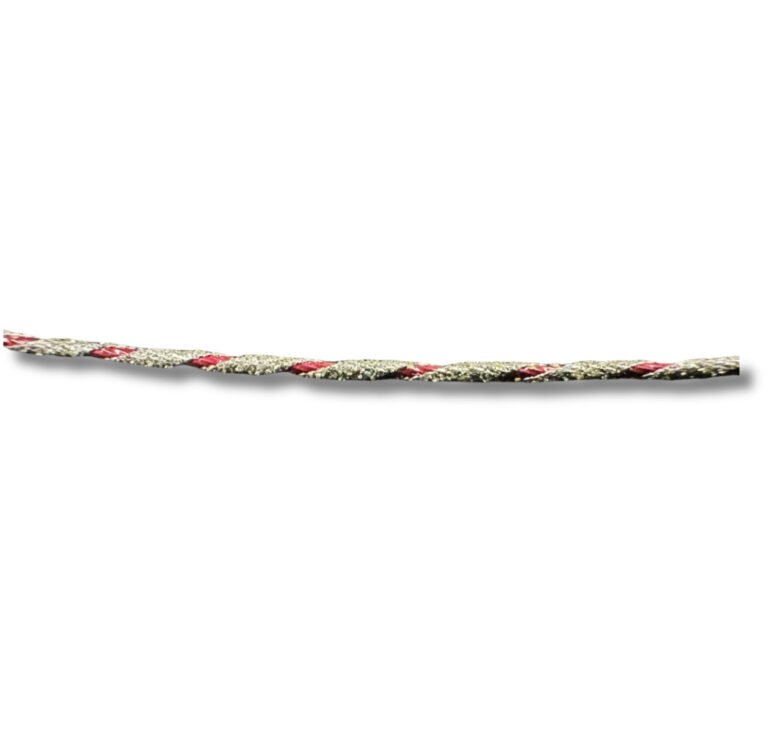
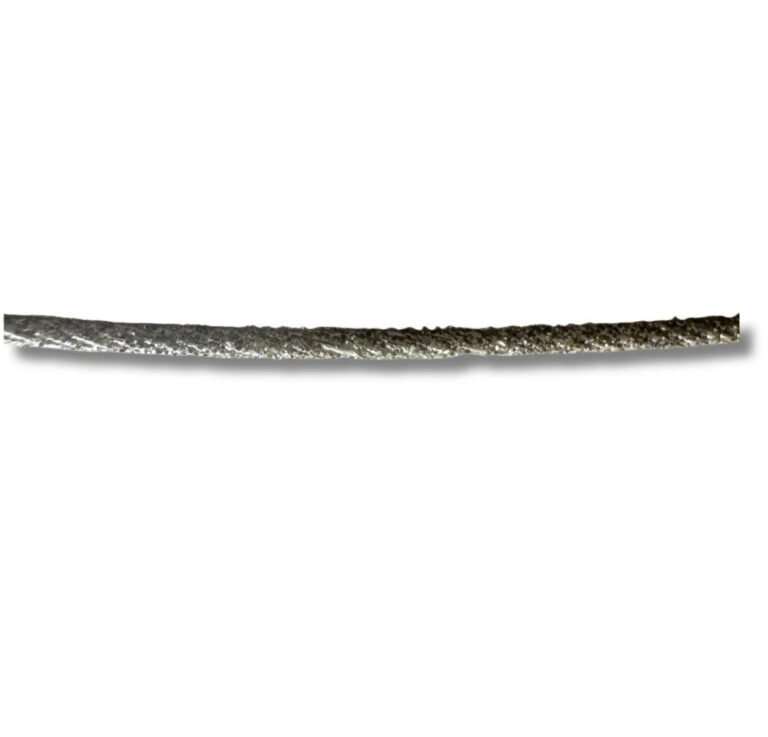
Finding a good Quartz Cutting Wire Manufacturer is crucial if you want smooth, clean cuts. Many industries work with quartz, glass, and semiconductors. They need wires that cut well without breaking or wasting material. A top manufacturer gives wires like Full-Coated Quartz Cutting Wire that are strong, long-lasting, and precise. A good wire helps industries work more efficiently. Also, it protects the material. Machines function better when the wires are strong. In addition to saving time, this helps things seem tidy and clean. Finally, a solid wire makes it easier and safer for workers to do their work. Precision Cutting Wire for Superior Performance A great Quartz Cutting Wire Manufacturer produces precision-cutting wire. These wires cut exactly where you want them. They stay strong and do not break even when cutting hard materials. Precision wires help make narrow cuts without wasting material. Industries use these wires to cut quartz, glass,

자세히보기"
맨 위로 스크롤
빔펀 팀에 문의
견적, 지원 또는 파트너십 논의가 필요하신가요? 지금 바로 연락하세요.