Technical Articles

What Makes the Ring-Shaped Diamond Wire Optical Glass Cutting Machines Unique?

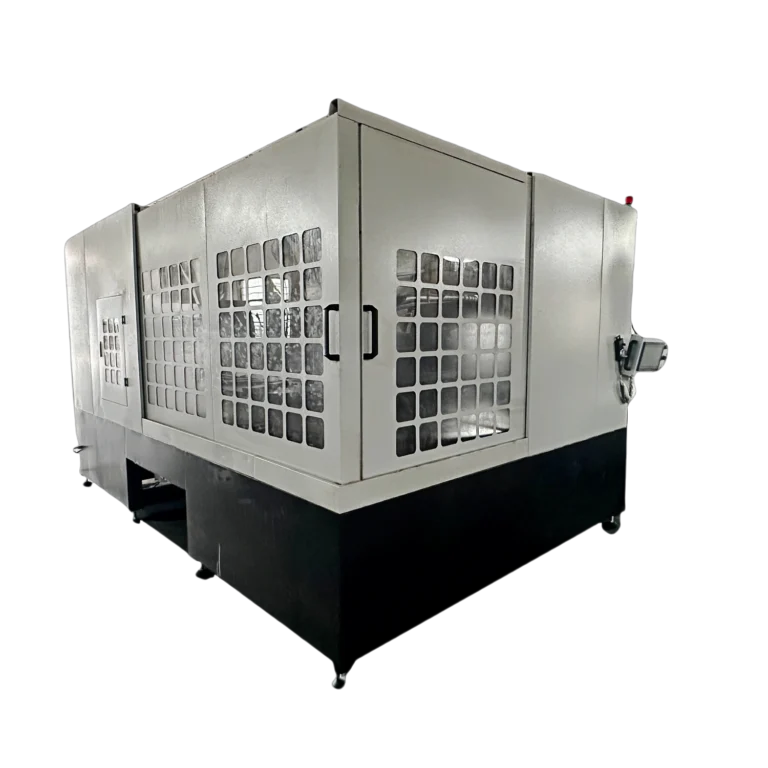
In the competitive world of optical manufacturing, the VIMFUN Optical Glass Cutting Machines stand out with its innovative ring-shaped diamond wire design, redefining precision and efficiency for cutting K9 glass, germanium glass, and Schott glass (e.g., BK7). With a wire speed range of 0-80 m/s, a cutting tolerance of 0.03 mm, and the ability to handle lenses from 1 mm to 3 meters in diameter and 0.1 mm to 1 m in thickness, this machine offers unmatched versatility. This article explores what makes the Optical Glass Cutting Machines unique, highlighting its advanced features, automation, and eco-friendly design that set it apart from traditional blade and laser cutters. Innovative Ring-Shaped Diamond Wire Design The VIMFUN Optical Glass Cutting Machines leverages a ring-shaped diamond wire, a significant departure from linear wire or blade systems. This continuous-loop design ensures: This unique design addresses industry demands for precision and efficiency, as seen in the

Lire la suite "
Precision Prism Cutting Machine

Why Glue Selection Enhances Optical Lens Cutting System’s Precision

Precision is critical in optical lens manufacturing, especially when cutting high-value materials like K9 glass, germanium glass, and Schott glass (e.g., BK7) using a VIMFUN Optical Lens Cutting System. The innovative ring-shaped diamond wire design of this system delivers exceptional accuracy, but the choice of glue for securing lenses to the substrate plays a pivotal role in achieving flawless results. From ensuring strong bonding during high-speed cutting to enabling residue-free peeling, the right glue enhances the Optical Lens Cutting System’s performance. This article explores why glue selection matters, how it impacts cutting quality, and which options best suit the VIMFUN system for optical workshops and labs. The Role of Glue in Optical Lens Cutting The VIMFUN Optical Lens Cutwww.endlesswiresaw.comting System uses a ring-shaped diamond wire, operating at speeds up to 80 m/s, to cut lenses with a precision of 0.03 mm. This high-speed, high-accuracy process generates significant mechanical stress and

Lire la suite "
Horizontal Diamond Wire Cutting Machine

What Are the Top Features to Look for in a Quartz Cutting Machine?

Selecting the right Quartz Cutting Machine is essential for optical shops and labs producing high-quality lenses and components from quartz, K9 glass, germanium glass, and Schott glass (e.g., BK7). The VIMFUN Quartz Cutting Machine, with its innovative ring-shaped diamond wire design, sets a standard with its precision (0.03 mm tolerance), versatility (1 mm to 3 m lens diameter, 0.1 mm to 1 m thickness), and eco-friendly features. This article outlines the top features to prioritize when choosing a Quartz Cutting Machine, ensuring it meets the demands of modern optical manufacturing for efficiency, precision, and sustainability. 1. High Precision and Cutting Quality Precision is critical for optical applications, especially when cutting quartz for its durability and clarity. Look for a Quartz Cutting Machine with: 2. Advanced Automation Features Automation boosts productivity and consistency, making it a key feature for a Quartz Cutting Machine: These features align with the industry’s 9.2% CAGR

Lire la suite "
Precision Prism Cutting Machine

What Are the Best Practices for Using Precision Optics Cutting Machine?

Cutting optical glass, such as K9, germanium, and Schott glass (e.g., BK7), demands precision and care to achieve flawless surfaces for lenses and prisms. The VIMFUN Precision Optics Cutting Machine, featuring a ring-shaped diamond wire, delivers exceptional accuracy (0.03 mm tolerance) and versatility for lenses from 1 mm to 3 meters in diameter and 0.1 mm to 1 m in thickness. With high-speed cutting (up to 80 m/s) and automation features, this machine is ideal for optical shops and labs. This article outlines the best practices for cutting optical glass using the Precision Optics Cutting Machine, ensuring high-quality results and addressing key concerns like surface quality and efficiency. 1. Prepare the Glass and Substrate Thoroughly Proper preparation sets the foundation for successful cutting: 2. Select the Optimal Glue Glue selection is critical for securing optical glass during high-speed cutting: 3. Optimize Machine Settings Configure the Precision Optics Cutting Machine for

Lire la suite "
optical windows cutting machine

Why the Optical Lens Cutting Device Is the Best Choice for Eco-Friendly Cutting

As environmental concerns reshape the optical lens manufacturing industry, sustainable technologies are becoming a priority for optical shops and labs. The VIMFUN Optical Lens Cutting Device, featuring a state-of-the-art ring-shaped diamond wire design, leads the way in eco-friendly optical glass cutting. With its dry cutting capability, coolant recycling system, and mist recovery technology, this device minimizes environmental impact while delivering precision cuts for K9 glass, germanium glass, and Schott glass (e.g., BK7). This article explores why the Optical Lens Cutting Device is the top choice for sustainable optical manufacturing, aligning with market trends and addressing customer demands for green solutions. The Growing Demand for Sustainable Optical Cutting The optical lens cutter market is projected to reach USD 973.2 million by 2032, driven by a 9.2% CAGR and a shift toward eco-friendly technologies. Traditional cutting methods, like blade-based edgers or water-intensive laser systems, consume up to 1 million liters of water

Lire la suite "

Pourquoi la découpe au fil diamanté est-elle la meilleure méthode pour traiter le germanium ?

If you’ve ever worked with germanium, you already know—it’s a tricky material. Dense, brittle, and not very forgiving under stress. Whether you’re producing IR optics, wafers, or custom lenses, how you cut Ge makes or breaks the result. That’s why diamond wire cutting has become the preferred method for processing germanium. Not just because it’s precise—but because it’s safer, cleaner, and more cost-effective than traditional options. What Makes Germanium Hard to Cut? Germanium behaves like a fragile piece of glass when under force: These factors make it a poor match for high-friction, high-pressure cutting tools. Traditional Blade Cutting The Problems Using dicing saws, ID blades, or abrasive wheels might seem straightforward—but here’s what usually happens: Here is a picture of what would happen if you do not choose a correct cut method. Diamond Wire Cutting: A Smarter Approach Diamond wire saws operate with a fine loop of diamond-coated wire moving

Lire la suite "

Découpe de lentilles en germanium à l'aide d'une scie à fil diamantée

Germanium (Ge) is a high-value material widely used in infrared (IR) optics, night vision systems, thermal imaging, and scientific instruments. While germanium’s excellent infrared transmission and mechanical properties make it ideal for lenses, its crystalline brittleness makes cutting and processing extremely challenging. This article explains how endless diamond wire saws enable precision cutting of germanium lenses while minimizing surface damage and maximizing material yield. Material Characteristics of Germanium These features create unique machining challenges: Why Use Diamond Wire Saw for Germanium Lens Cutting? The endless diamond wire saw offers key advantages: Germanium Cutting Application Case One of our customers needed to cut a special arc-shaped geometry from a single-crystal germanium block. After multiple rounds of testing, our SGI20 model demonstrated exceptional cutting accuracy and contour control. The customer was highly satisfied with the results and proceeded to place three separate orders for multiple units to expand their precision optics production

Lire la suite "

Comment couper les tranches de germanium sans fissures : Guide de la scie à fil diamanté de précision

Germanium wafers are essential substrates for infrared detectors, thermographic sensors, and optical components. However, Ge is a brittle semiconductor crystal prone to edge chipping and surface damage during cutting. Traditional blade-based methods often result in high material loss and poor edge quality. This article explains how to use diamond wire saw technology to precisely slice germanium wafers with minimal damage and high yield. Why Germanium Wafer Cutting Is Challenging Germanium has: These properties make it sensitive to both mechanical and thermal stress during slicing. Without proper process control, common issues include: Advantages of Diamond Wire Saw Technology Endless diamond wire saws overcome these limitations with: Recommended Cutting Parameters for Germanium Wafers Parameter Suggested Value Wire Diameter 0.3 mm Feed Rate 0.5–1.0 mm/min Wire Speed 10–15 m/s Cooling Method Water-based coolant with filtration Slice Thickness As thin as 0.1 mm supported Proper fixturing is also critical: soft pressure pads and anti-slip

Lire la suite "

Découpe de haute précision de ZnS (sulfure de zinc) à l'aide d'une scie à fil diamanté sans fin

Zinc sulfide (ZnS) is a key optical crystal widely used in infrared imaging systems, military optics, and precision manufacturing. While ZnS offers excellent infrared transmission and mechanical strength, it is also extremely brittle and prone to edge chipping during processing. Traditional cutting tools struggle to achieve clean, crack-free surfaces on ZnS, making advanced cutting technology essential. This article introduces how endless diamond wire saws provide an ideal solution for cutting ZnS materials with superior surface quality and minimal material loss. ZnS crystals are known for: These characteristics make it a challenging material to process, especially for thin wafers or precision lenses. Any mechanical or thermal stress can lead to microcracks or chipping. Why Endless Diamond Wire Saw Is Ideal for ZnS Endless diamond wire saws use a closed-loop wire coated with diamond abrasive. This method offers several advantages over blades, lasers, or ID saws: Cutting Performance Case: ZnS Wafers for

Lire la suite "

Comment réduire les dommages causés par le stress lors de la découpe de plaquettes de saphir ?

Introduction: The Fragility of Sapphire Under Pressure Sapphire wafers are prized in semiconductor, optoelectronic, and LED applications due to their superior hardness, optical transparency, and thermal stability. However, that same hardness also makes sapphire wafer cutting an inherently delicate process. When not properly controlled, cutting can introduce residual stresses that result in microcracks, edge chipping, or even catastrophic wafer breakage. Reducing stress damage is not only about preserving wafer integrity—it also improves surface finish, reduces post-processing needs, and increases yield. In this article, we explore practical techniques and equipment configurations that help minimize stress during the sapphire cutting process. Understanding the Root Causes of Stress Damage Stress damage in sapphire wafers typically originates from three key factors: These stress sources can cause crack initiation at microstructural weak points, especially near the wafer’s edge or at contact points with cutting media. Optimizing Cutting Parameters for Sapphire One of the most effective

Lire la suite "
Défiler vers le haut
Contacter l'équipe Vimfun
Besoin d'un devis, d'une assistance ou d'une discussion sur un partenariat ? Connectez-vous.