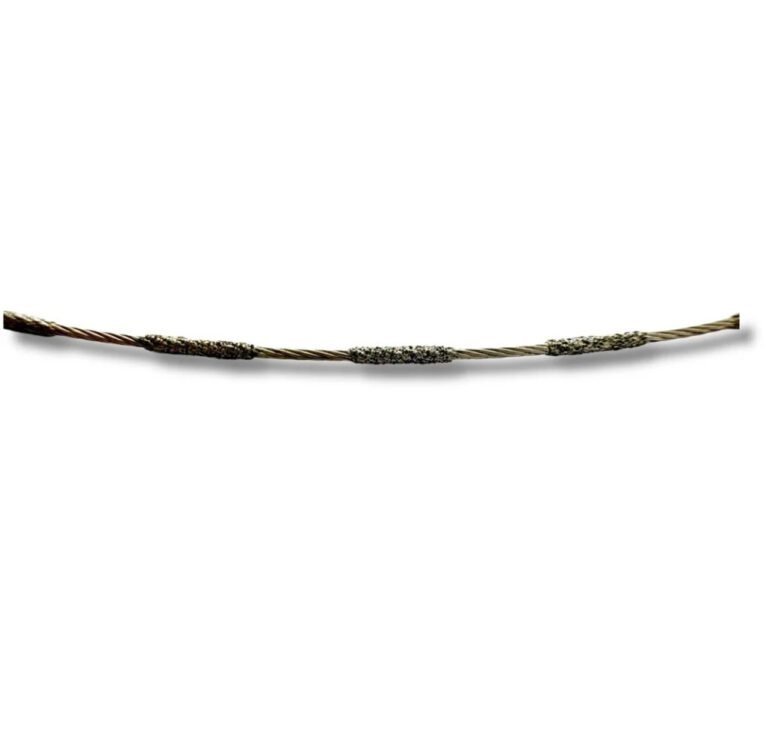
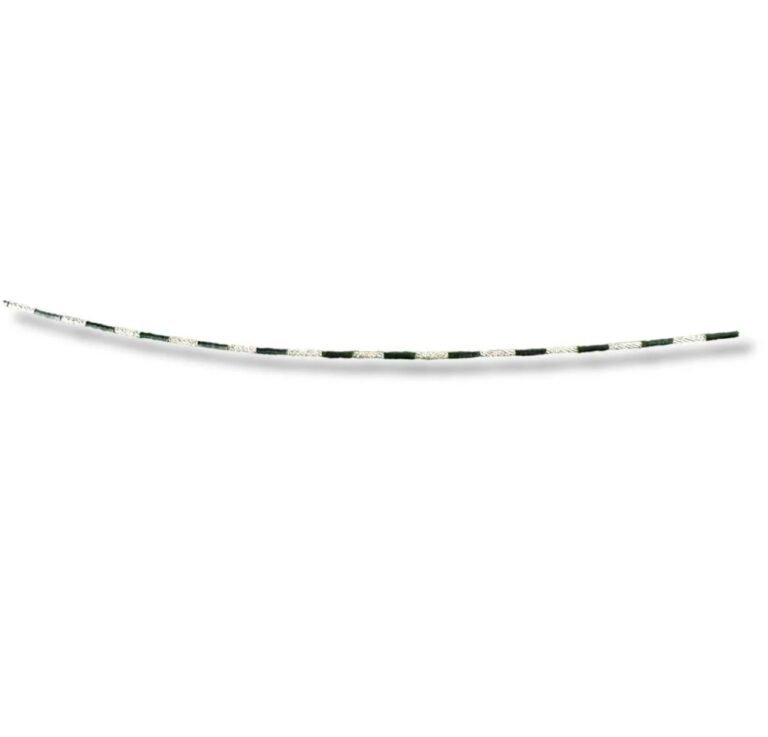
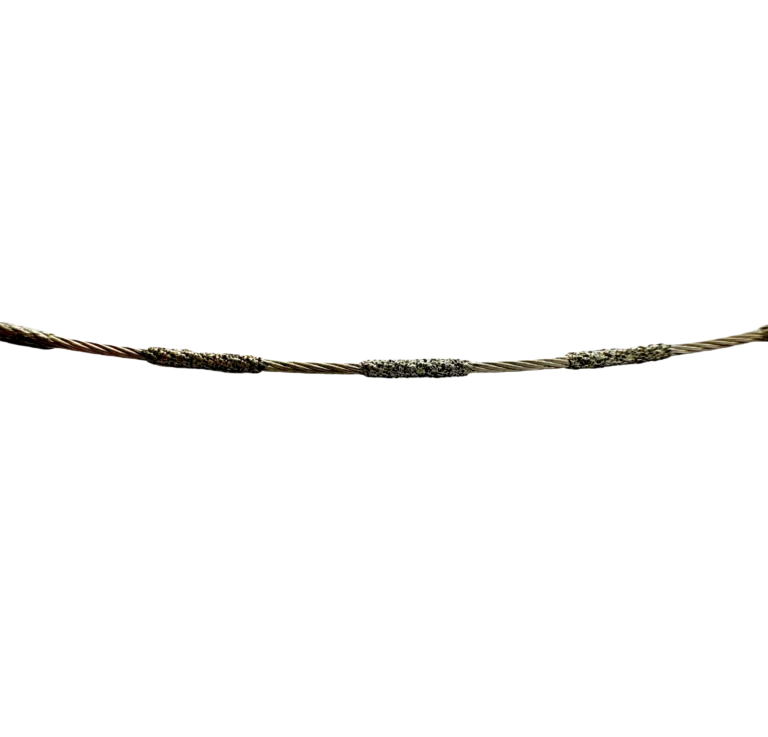
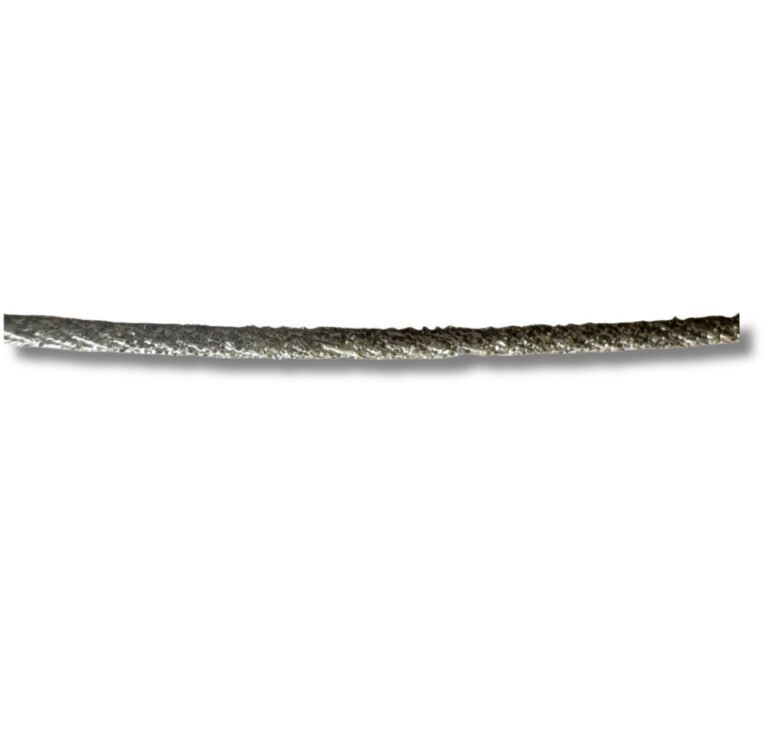
Selecting the right glue is critical for achieving precision and maintaining optical quality when using the VIMFUN Optical Lens Cutting Tool, a ring-shaped diamond wire system designed for cutting K9 glass, germanium glass, and Schott glass (e.g., BK7). With its high-speed cutting (up to 80 m/s), micron-level precision (0.03 mm), and ability to handle lenses from 1 mm to 3 meters in diameter and 0.1 mm to 1 m in thickness, this tool demands a glue that ensures strong bonding, coolant compatibility, and residue-free peeling. This article provides a comprehensive guide to choosing the optimal glue for the Optical Lens Cutting Tool, addressing key considerations for optical shops and manufacturing labs to ensure flawless results.
Why Glue Selection Matters
Le VIMFUN Optical Lens Cutting Tool leverages a ring-shaped diamond wire to deliver smooth, chip-free cuts, but its performance relies on securely bonding lenses to the substrate during high-speed, high-vibration cutting. The wrong glue can lead to lens displacement, surface damage, or residue, compromising optical clarity, especially for sensitive materials like germanium used in infrared optics. The glue must also withstand dry cutting conditions or oil-based coolants, align with the tool’s eco-friendly features (e.g., coolant recycling, mist recovery), and support automated workflows like auto-slicing and complex shape cutting, which are integral to the tool’s design.
Key Criteria for Glue Selection
To optimize the Optical Lens Cutting Tool, consider the following glue requirements:
- Bonding Strength: Must hold lenses firmly at wire speeds up to 80 m/s, resisting vibration from the unidirectional wire motion.
- Coolant Compatibility: Should withstand oil-based coolants or perform reliably in dry cutting, supporting the tool’s sustainability features.
- Clean Peeling: Must peel off without residue, critical for maintaining optical quality, particularly for germanium’s sensitive coatings.
- Compatibilité des matériaux: Must suit K9, germanium, and Schott glass, accommodating their chemical and physical properties.
- Ease of Application: Should integrate with the tool’s automation, ensuring fast curing for efficient production.
Recommended Glue Options
Based on the Optical Lens Cutting Tool’s capabilities and material requirements, the following glues are recommended:
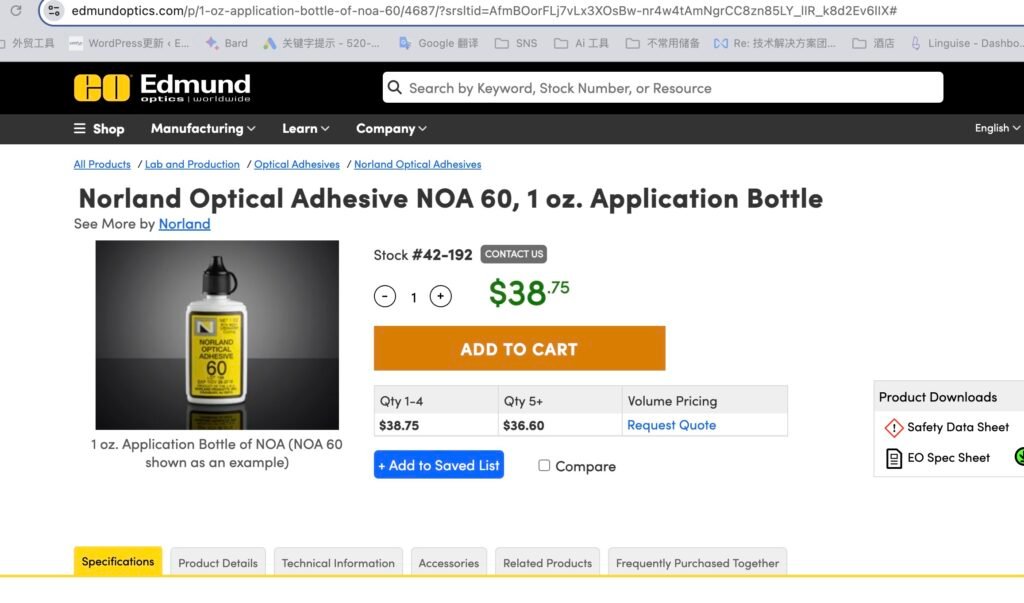
- UV-Curable Glue (Top Choice):
- Example: Norland NOA68
- Benefits: Cures in 5-30 seconds under UV light (365 nm), offering strong bonding for high-speed cutting. It peels cleanly with heat (80-100°C) or hot water/isopropyl alcohol, minimizing residue risks on germanium coatings. Its resistance to oil-based coolants and flexibility for vibrations make it ideal for the Optical Lens Cutting Tool.
- Best For: K9, germanium, and Schott glass, especially for high-precision applications like infrared lenses and prisms.
- Optical Wax:
- Example: Logitech Optical Pitch
- Benefits: Applied at 50-80°C and solidifies quickly, providing sufficient bonding for less demanding cuts. It peels with heat or ethanol but requires additional cleaning, adding steps for high-throughput labs.
- Best For: K9 and Schott glass in cost-sensitive scenarios, though germanium requires compatibility testing due to solvent sensitivity.
- Thermal Release Glue:
- Example: Nitto Denko thermal release tape
- Benefits: Loses adhesion at 100-120°C for solvent-free peeling, suitable for simpler cuts. It may not withstand high-stress cutting for thicker lenses (up to 1 m).
- Best For: K9 and Schott glass, with caution for germanium to avoid thermal damage (limit ~300°C).
Steps to Select the Right Glue
- Assess Material Needs: For K9 and Schott glass, UV glues like NOA68 are versatile. For germanium, prioritize hot water peeling to protect coatings, avoiding harsh solvents like acetone.
- Consider Cutting Conditions: Use UV glue for dry cutting or oil-based coolant environments, as it resists chemical erosion. Optical wax suits dry cutting but may need testing with coolants.
- Test Glue Performance: Apply a 0.1-0.2 mm glue layer, cut a small K9 or germanium sample, and verify peeling leaves no residue. Adjust based on lens size (1 mm to 3 m) and thickness (0.1 mm to 1 m).
- Integrate with Automation: Choose fast-curing glues (e.g., NOA68) to complement the Optical Lens Cutting Tool’s auto-slicing and tilt functions, streamlining production.
- Prioritize Sustainability: Select glues requiring minimal solvents (e.g., UV glue with hot water peeling) to align with the tool’s coolant recycling and mist recovery features.
Why Choose the Right Glue for the VIMFUN Optical Lens Cutting Tool?
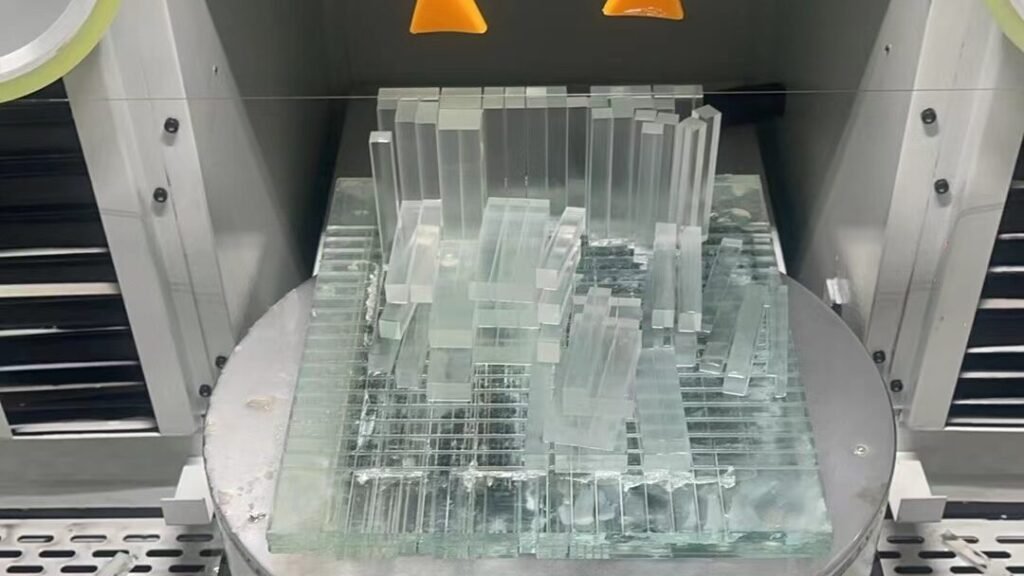
The right glue enhances the VIMFUN Optical Lens Cutting Tool by:
- Ensuring Precision: Strong bonding prevents displacement, maintaining 0.03 mm accuracy.
- Protecting Quality: Clean peeling preserves optical clarity for K9, germanium, and Schott glass.
- Boosting Efficiency: Fast-curing glues support automated workflows for high throughput.
- Supporting Sustainability: Minimal solvent use complements the tool’s eco-friendly design.
Conclusion
Selecting the right glue, such as Norland NOA68, is essential to maximize the VIMFUN Optical Lens Cutting Tool’s performance for cutting K9, germanium, and Schott glass. By ensuring strong bonding, coolant compatibility, and residue-free peeling, the right glue delivers precision and efficiency for optical shops and labs. Visit www.opticalcutting.com to explore how the VIMFUN Optical Lens Cutting Tool and optimal glue choices can elevate your optical manufacturing process.